The charm of vintage home accessories is undeniable, providing an appealing aesthetic that resonates with consumers seeking unique decor. If you’re a retailer looking to enhance your inventory with vintage home accessories wholesale, understanding the nuances of sourcing these items is essential. This comprehensive guide will highlight key strategies and considerations for successfully procuring vintage home accessories that will captivate your customers.
What Are Vintage Home Accessories and Why Are They Popular?
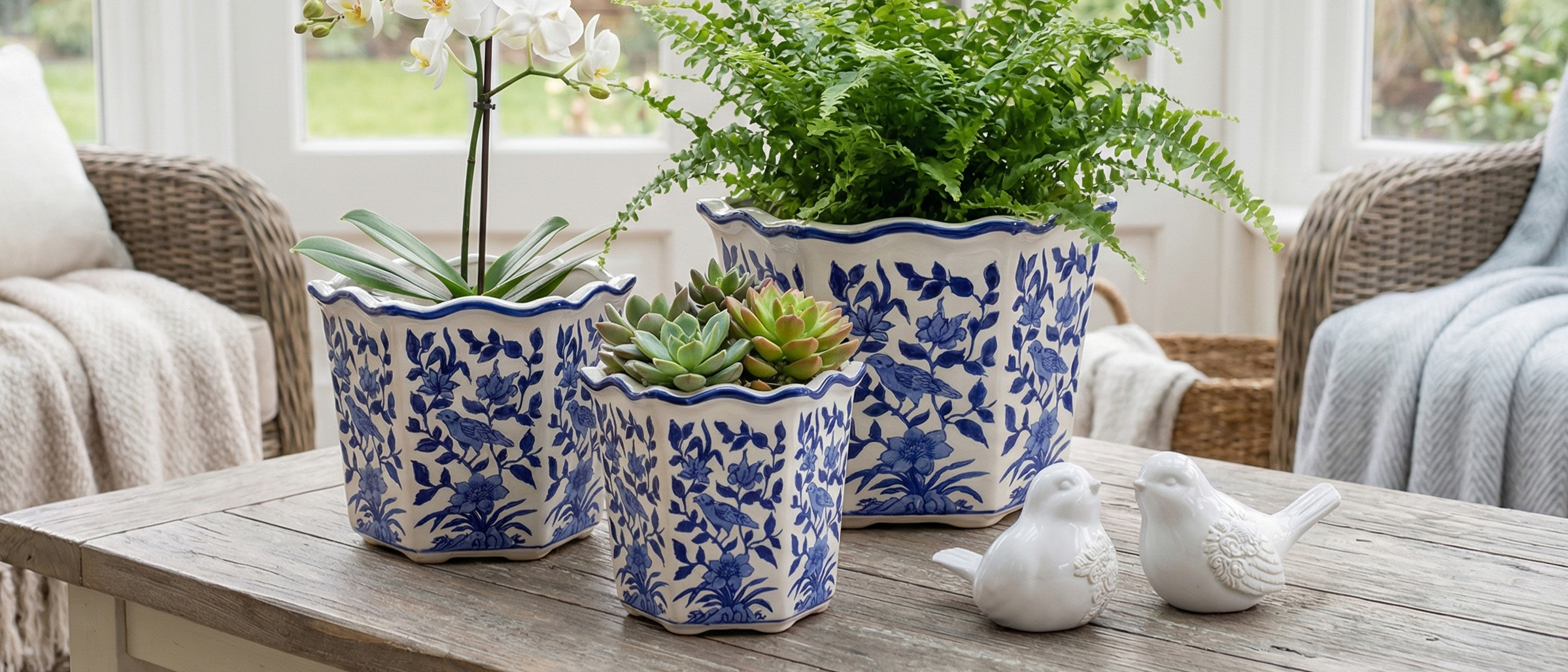
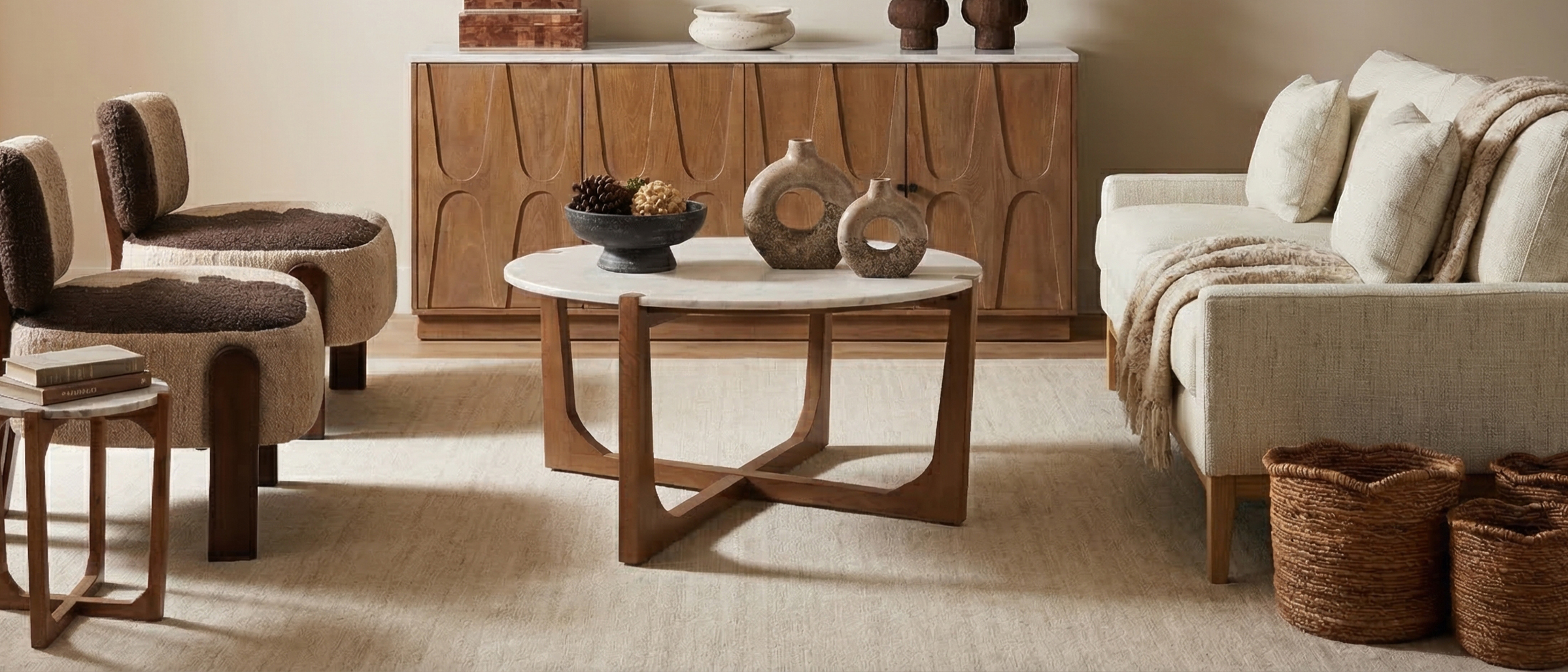
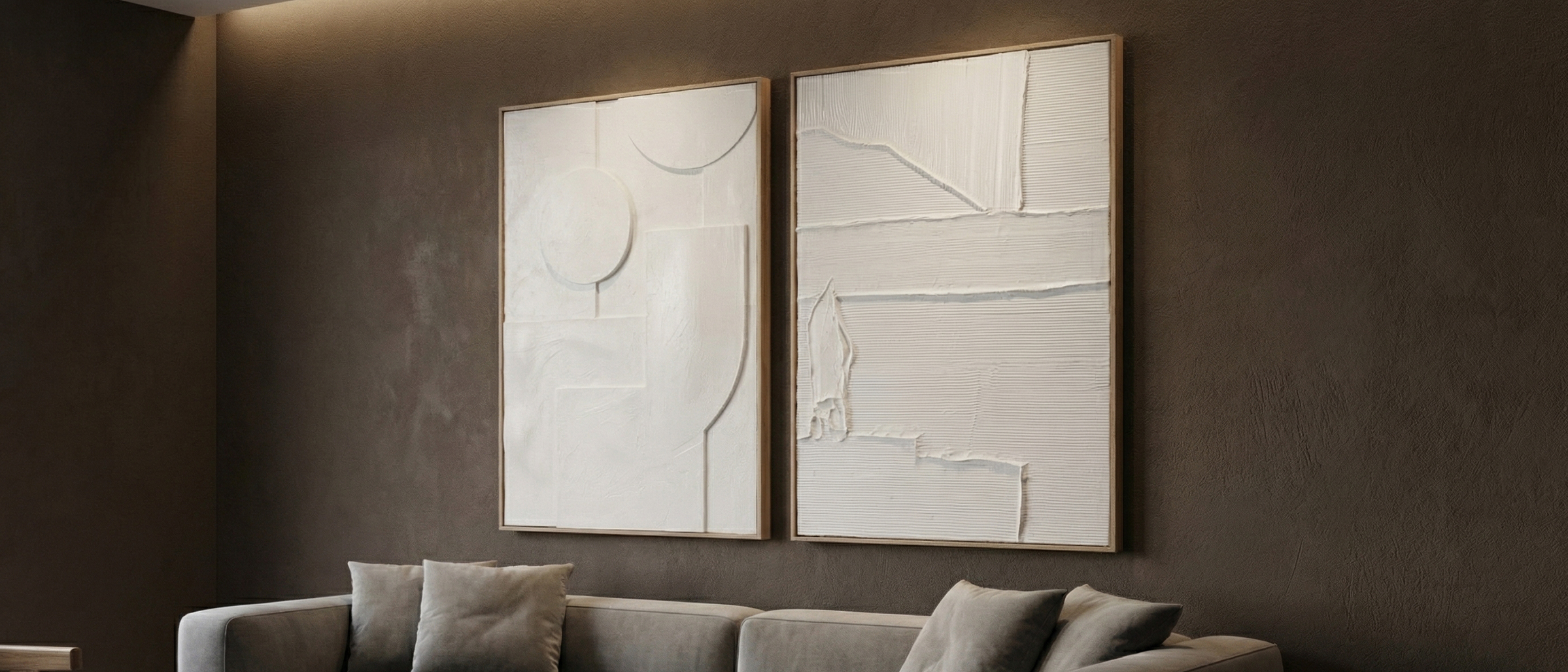
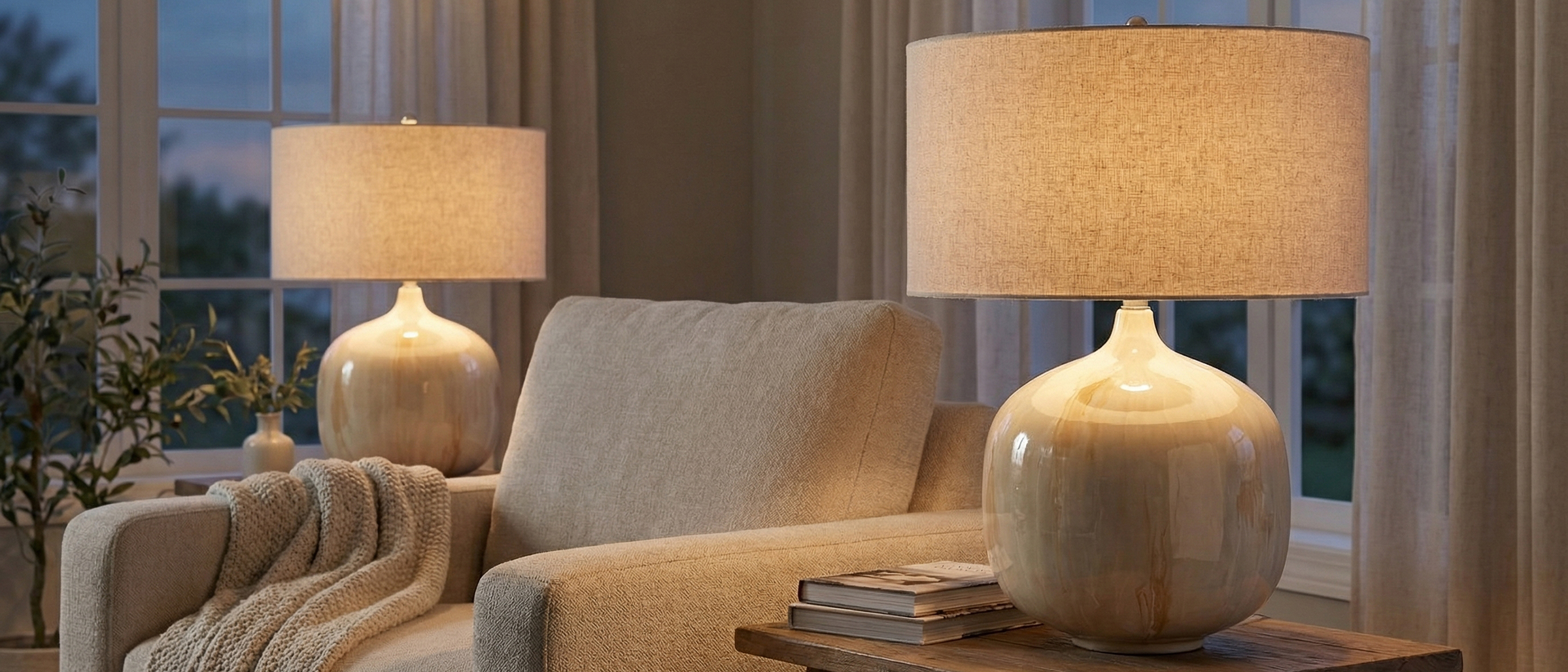
Vintage home accessories encompass a range of items that are at least 20 years old, reflecting historical styles and trends. These items can vary from decorative art pieces to practical household goods and often include:
- Crockery
- Furniture
- Textiles
- Art and sculptures
- Lighting fixtures
The growing popularity of vintage decor can be attributed to consumers’ desire for authenticity and individuality in their living spaces. Vintage items often tell a story, allowing buyers to feel a connection to the past. This trend opens doors for retailers who want to offer products that stand out in an increasingly uniform market.
How to Identify Reliable Vintage Home Accessories Wholesale Suppliers?
Sourcing vintage home accessories wholesale requires careful consideration to ensure you partner with reputable suppliers. Here are a few methods to identify quality vintage accessory suppliers:
- Research Reputable Wholesalers: Look for companies that specialize in vintage decor, such as Sagebrook Home. Check their credentials, customer reviews, and product offerings to assess reliability.
- Attend Trade Shows: Trade shows offer a great opportunity to connect directly with suppliers and see products firsthand. They allow you to build relationships and negotiate better deals.
- Utilize Online Platforms: Websites like Sagebrook Home feature wholesale options catering to vintage home accessories, helping you compare prices and product selections conveniently.
Factors to Consider When Choosing Your Suppliers
When evaluating potential suppliers, consider the following:
- Product Authenticity: Ensure that the items are genuinely vintage. Request documentation or certifications if necessary.
- Quality Control: Assess how suppliers manage quality. Inspect samples to identify potential flaws or inconsistencies.
- Pricing: Compare prices but consider value rather than just cost. Sometimes, a higher price ensures better quality and customer satisfaction.
What Types of Vintage Home Accessories Can Retailers Offer?
The diversity of vintage home accessories allows retailers to target a variety of markets. Popular types include:
- Mid-Century Modern: Items from the mid-20th century often appeal to consumers looking for iconic designs.
- Antique Furniture: Well-preserved furniture pieces can add significant value to retail inventories.
- Vintage Kitchenware: Decorative and functional kitchen items ranging from dishware to utensils are particularly popular.
How to Market Vintage Home Accessories Effectively?
Marketing plays a crucial role in attracting customers to your vintage collection. Here are some effective techniques to consider:
- Create a Unique Aesthetic: Curate your offerings to build a cohesive and visually appealing collection that resonates with your target audience.
- Leverage Social Media: Use platforms like Instagram, Pinterest, and Facebook to showcase your vintage items with captivating imagery and engaging content.
- Highlight Storytelling: Each piece has a story—leverage this by sharing it with your customers through marketing materials and product descriptions.
Frequently Asked Questions About Vintage Home Accessories Wholesale
What are the benefits of sourcing vintage home accessories wholesale?
Sourcing wholesale allows retailers to acquire products at discounted prices, maximizing profit margins. It offers access to a wider range of unique items that can attract and retain customers.
How do I determine the market price for vintage home accessories?
Research current market rates through online platforms, auction sites, and similar retailers. Observe pricing trends and set your rates based on the quality and rarity of the items you’re offering.
Can I customize vintage home accessories for my store?
Some suppliers may offer customization options, allowing you to tailor items according to your brand’s vision or your customers’ preferences. Be sure to inquire about this possibility during your purchasing discussions.
Sourcing vintage home accessories wholesale can significantly enrich your product selection. By following these guidelines and leveraging the right suppliers such as traditional home decor wholesale, your retail business can thrive by meeting consumer demand for unique, character-filled home decor items that resonate with memories of the past.