


Creating an efficient workspace at home requires careful consideration of lighting solutions. One of the primary challenges faced by individuals working from home is glare. Poorly designed lighting can lead to eye strain and reduced productivity. This guide will explore practical ways to design light for your home office to minimize glare and enhance your overall work experience.
Why Is It Important to Minimize Glare in Your Home Office?
Minimizing glare in your home office is essential for several reasons:
- Improved Comfort: Reducing glare makes for a more comfortable workspace, helping to lessen eye strain and discomfort caused by harsh lighting.
- Enhanced Focus: Proper lighting can enhance your focus, allowing you to work efficiently without distractions.
- Better Health: Minimizing glare contributes to better overall eye health, preventing headaches and fatigue.
What Are the Best Strategies to Design Light for Your Home Office to Minimize Glare?
1. Choose the Right Fixtures
Selecting appropriate lighting fixtures is crucial in minimizing glare. Consider opting for:
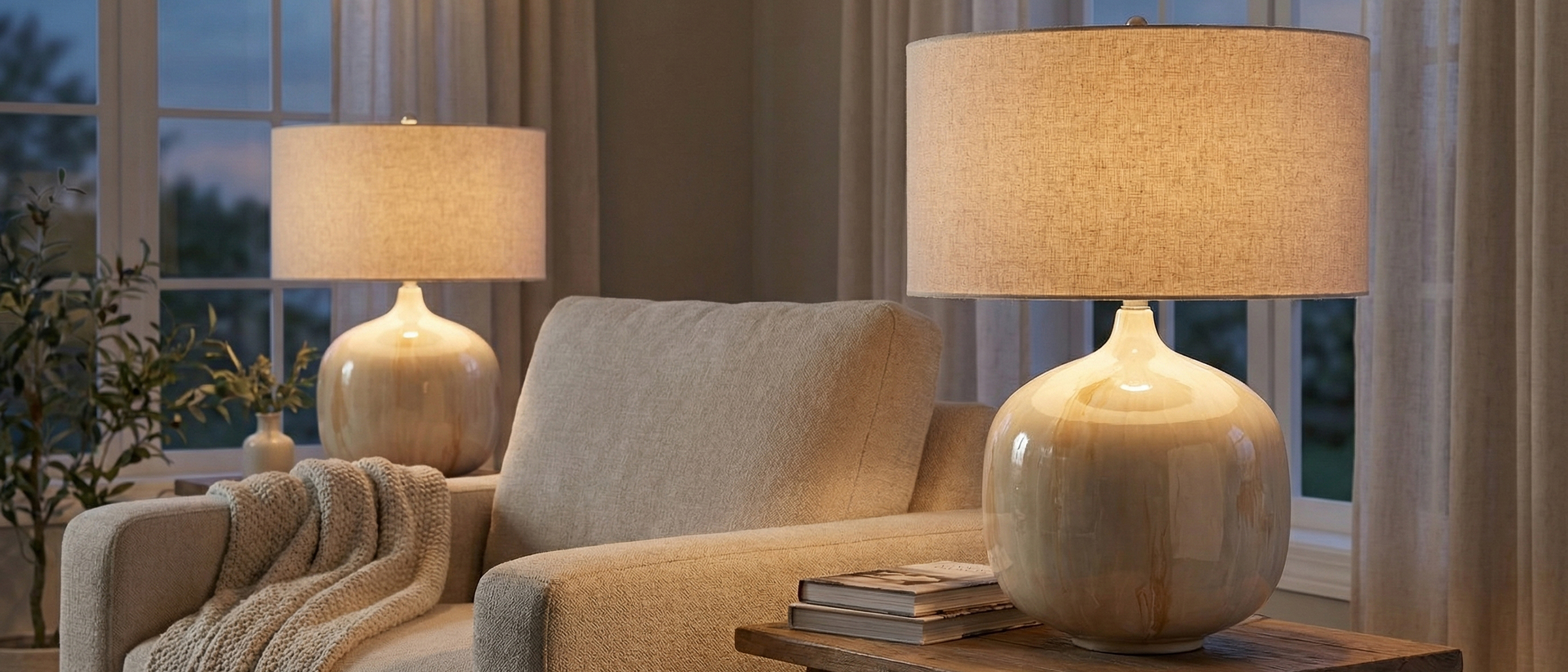
- Task Lighting: Desk lamps with adjustable brightness can help you focus on your work without reflecting light off screens.
- Dimmable Options: Dimmable LED sources allow for adjustments based on the time of day and amount of natural light available.
- Indirect Lighting: Wall-mounted fixtures that reflect light off the ceiling can provide soft, diffused lighting.
2. Utilize Natural Light
Natural light can significantly improve your workspace ambiance. To make the most of it:
- Window Treatment: Use sheer curtains or blinds to filter sunlight while avoiding direct exposure that creates glare.
- Desk Placement: Position your desk perpendicular to windows to prevent harsh reflections on your screens.
- Use Reflective Surfaces Wisely: Avoid placing shiny objects near windows that can reflect light and intensify glare.
3. Consider Color Temperature
The color temperature of your lighting can impact how you perceive brightness and glare. Here’s what to consider:
- Warm White (2700K-3000K): Provides a cozy atmosphere, ideal for relaxing tasks.
- Cool White (3500K-4100K): Better for task-oriented work, helping to enhance focus without being harsh.
- Daylight (5000K-6500K): Mimics natural light and can improve mood and productivity but be cautious of over-brightening the space.
4. Use Anti-Glare Screens
In addition to thoughtful lighting design, consider using:
- Anti-Glare Monitors: Displays available with anti-glare coatings can reduce reflections and protective filters that minimize glare.
- Screen Positioning: Adjust the elevation and angle of your monitor to avoid direct light sources that can cause reflections.
What Additional Features Could Enhance Your Lighting Design?
1. LED Light Design for Home
When designing light for your home office to minimize glare, incorporating LED light solutions can be highly effective. LEDs are known for producing light efficiently without generating excessive heat, making them a great choice for long work sessions.
2. Track Lighting Solutions
Implementing track lighting allows you to customize where illumination is directed, helping to eliminate unwanted glare from reflective surfaces.
3. Multilayered Lighting
Incorporating multiple layers of lighting—ambient, task, and accent—can significantly enhance your home office. Use a combination of light design for home to create a balanced and versatile workspace.
FAQs About Designing Light for Home Office to Minimize Glare
How can I tell if my office lighting is too harsh?
If you experience frequent eye strain or discomfort while working, your lighting may be too harsh. Assess your workspace for glare and consider adjusting your lighting fixtures or adding diffusers.
What is the best color temperature for home office lighting?
A cool white temperature (3500K-4100K) is generally recommended for productivity in a home office, though warm white is ideal for cozy settings. Adjust according to your specific tasks.
How can I improve lighting in a small home office?
In a small space, use fixtures that can reflect light, incorporate mirrors to enhance brightness, and choose lighter paint colors to improve the overall lighting effect.
By following these strategies, you can effectively design light for your home office to minimize glare, thus creating a more comfortable and productive work environment.