


Creating a balanced and effective lighting plan can elevate the ambiance of any home. Proper lighting not only serves a functional purpose but also enhances the aesthetic appeal of your living space. This article provides an in-depth guide on how to design a home lighting plan that suits your lifestyle, utilizing various lighting techniques and fixture styles.
What Are the Key Components of a Home Lighting Plan?
To create a successful home lighting plan, it is essential to focus on three primary types of lighting:
1. Ambient Lighting
Ambient lighting is the general illumination that fills a room, providing a comfortable level of brightness without causing glare. This type of lighting can be achieved through:
- Ceiling Fixtures: Chandeliers and flush mounts
- Wall Sconces
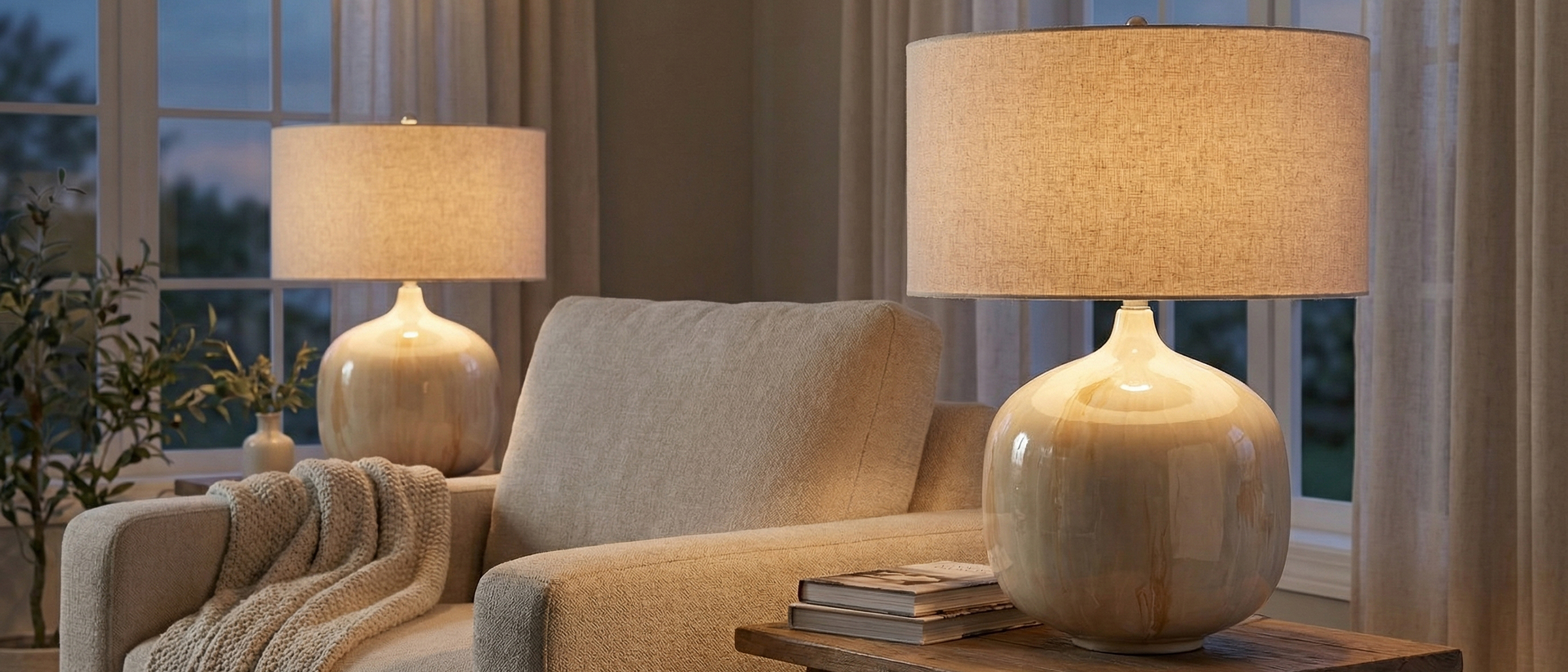
- Floor and Table Lamps
2. Task Lighting
Task lighting focuses on specific areas where activities such as reading or cooking occur. Effective task lighting helps to improve visibility and reduce eye strain. Common sources include:
- Under-Cabinet Lights in Kitchens
- Desk Lamps in Home Offices
- Vanity Lights in Bathrooms
3. Accent Lighting
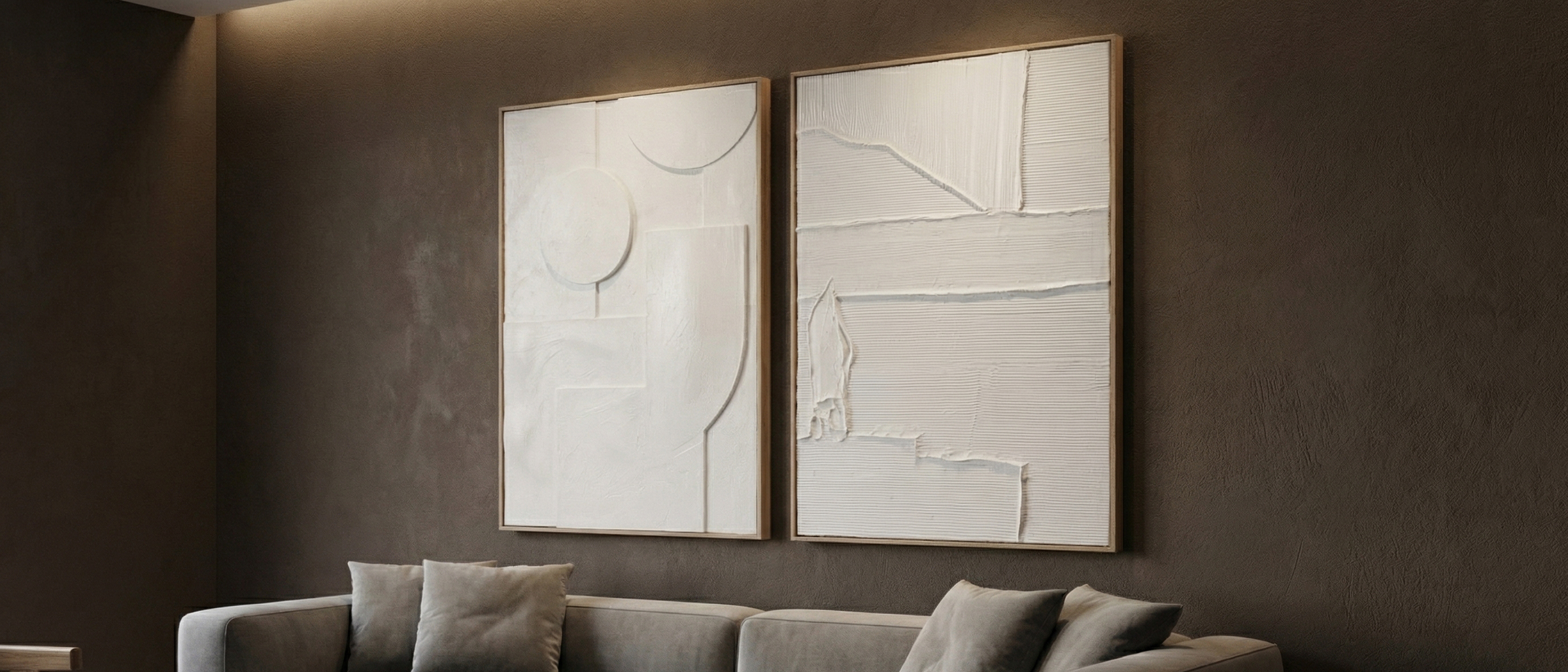
Accent lighting is used to highlight architectural features or artwork and add depth to a room. Types of accent lighting include:
- Track Lighting
- Recessed Lights
- Picture Lights
How Do I Determine the Right Lighting Fixtures for My Home?
Choosing the right fixtures is crucial for achieving a cohesive look in your home. Consider the following factors:
1. Room Size and Layout
The size of the room can greatly affect your lighting choices. Larger rooms may require multiple light fixtures to provide adequate illumination, while smaller spaces may benefit from fewer, more strategically placed lights.
2. Style and Decor
Select lighting fixtures that complement your existing decor. For a more cohesive design, examine these aspects:
- Color Schemes: Choose fixtures that match or contrast tastefully with your walls.
- Material Choices: Consider metals, glass, or fabric that resonate with your style.
3. Functionality
The practical functions of the rooms should also dictate your lighting choices. For entertaining areas, opt for adjustable lighting, while workspaces require brighter, focused light. The following links offer more insights on how to enhance your lighting in various spaces.
What is the Best Way to Layer Lighting?
Layering your lighting is essential for creating a balanced and dynamic atmosphere. Here’s how:
- Start with ambient lighting as the foundation of your design.
- Add task lighting in areas requiring additional focus.
- Incorporate accent lighting to create visual interest and highlight specific areas or objects.
This combination allows you to adjust the lighting based on time of day and activities taking place, ensuring that your home remains inviting and functional. For more strategies on creating a cohesive approach to designing lights at home, consider exploring comprehensive guides.
How to Choose the Right Bulbs for Your Lighting Plan?
Choosing the right light bulbs is integral to achieving the desired effect in your lighting plan:
1. Brightness
Measured in lumens, the brightness of the bulb should align with the function of the space.
2. Color Temperature
Light color affects mood and functionality. For example:
- 2700K to 3000K: Warm light, ideal for living spaces.
- 3500K to 4100K: Neutral light, suitable for kitchens and offices.
- 5000K and above: Daylight, effective for reading and detailed tasks.
3. Energy Efficiency
Consider energy-efficient options like LED bulbs to save on electricity costs and minimize your environmental impact.
What are Common Mistakes to Avoid When Designing a Home Lighting Plan?
Being aware of common pitfalls can enhance the effectiveness of your lighting plan:
- Overly Harsh Lighting: Avoid fixtures that create excessive glare, which can be uncomfortable.
- Ineffective Use of Dimmer Switches: Incorporate dimmers to adjust light levels according to time of day and activity.
- Neglecting Natural Light: Consider window placement and natural lighting; design your lighting plan to complement available daylight.
For those interested in exploring trends in light design, the latest styles can provide fresh inspiration.
How Can I Enhance My Outdoor Lighting Planning?
Outdoor spaces deserve thoughtful lighting too. Enhance your outdoor ambiance with:
- Pathway Lights: Highlight walkways for safety.
- Spotlights: Shine on trees and architectural features.
- String Lights: Create a cozy atmosphere for outdoor gatherings.
Your outdoor lighting plan can significantly enhance curb appeal and create a welcoming atmosphere. For extensive tips on lighting design in outdoor settings, check out our detailed guide.
Frequently Asked Questions
How much light is needed in each room?
The general recommendation is to have 20 lumens per square foot. However, this varies depending on room function, activity, and personal preference.
What are the best lighting options for small spaces?
In small areas, consider wall sconces and pendant lights, which save floor space while providing adequate lighting.
What are the latest trends in home lighting design?
Modern lighting design trends include minimalist fixtures, smart lighting technology, and the use of sustainable materials.
Designing an effective home lighting plan is essential for creating spaces that are not only beautiful but functional. Emphasizing the right balance of ambient, task, and accent lighting will help you achieve your desired result while making your home an inviting sanctuary.