


What Are Home Lighting Design Guidelines?
Home lighting design guidelines are essential principles that help homeowners and designers create well-lit, functional, and appealing spaces. Effective lighting enhances the aesthetics of a room, complements interior design, and fulfills specific tasks. Understanding these guidelines can transform how your home feels and functions.
Why Is Lighting Important in Home Design?
- Sets the Mood: Proper lighting creates ambiance and influences the emotional response to a space.
- Functional Necessity: Good lighting ensures safety and usability in every area, from kitchens to home offices.
- Highlighting Features: Strategic lighting can accentuate architectural elements and décor items.
- Energy Efficiency: Effective designs can use technology to save on energy costs and reduce environmental impact.
What Are the Different Types of Lighting to Consider?
When implementing home lighting design guidelines, it is crucial to consider various types of lighting:
- Ambient Lighting: This is the primary source of illumination in a space, providing overall light. Ceiling fixtures and chandeliers are common examples.
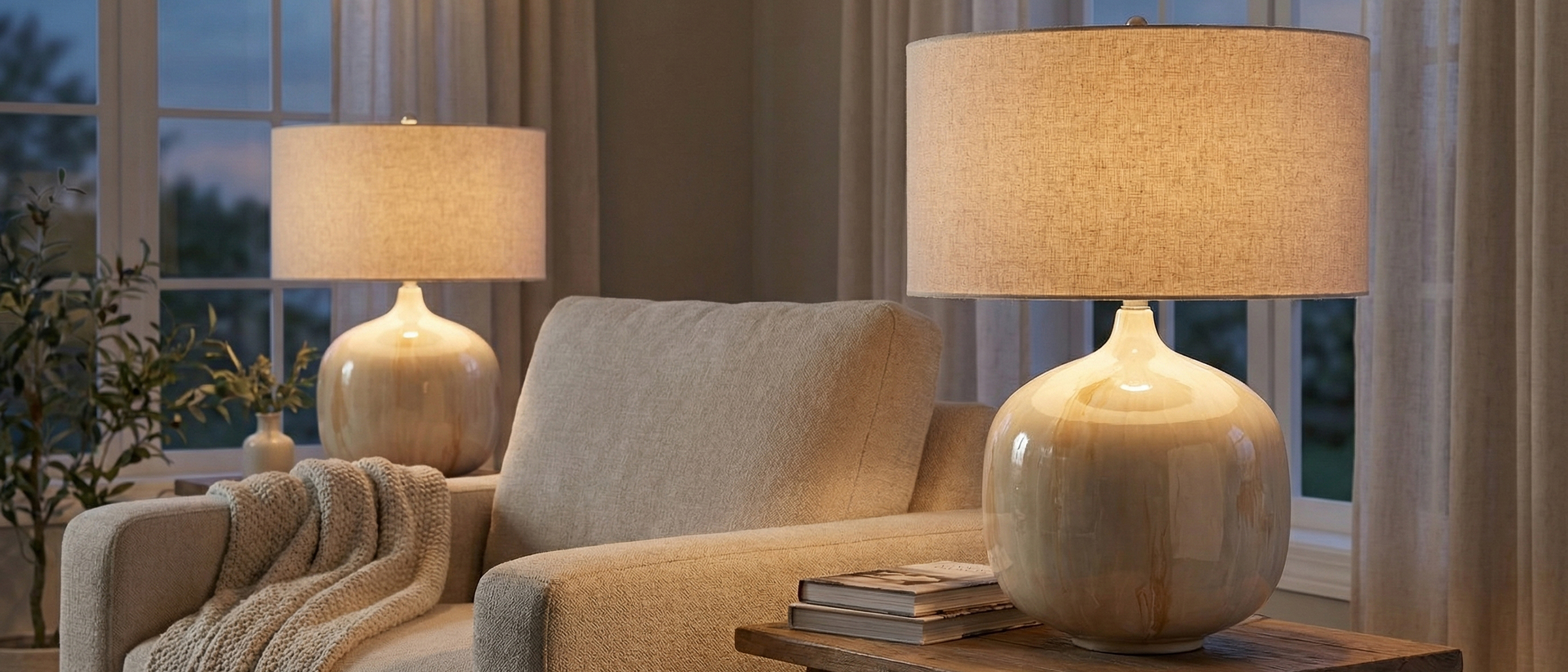
- Task Lighting: Focused lighting that aids specific tasks, such as reading lamps or under-cabinet lighting in kitchens.
- Accent Lighting: Used to highlight certain features, such as artwork or architectural design. Spotlights and track lights serve this purpose.
How to Create a Home Lighting Plan?
Creating a home lighting plan involves several steps that align with your specific needs and preferences:
- Assess Your Space: Take note of natural light sources, room layouts, and the functions of each area in your home.
- Determine Lighting Needs: Consider activities that will take place in the space. For example, a kitchen may need more task lighting, while a living room benefits from ambient and accent lighting.
- Select Fixtures: Choose lighting fixtures that complement your home’s decor and meet your lighting requirements. For inspiration, read our article on home lighting design ideas.
- Layer Your Lighting: Combine various types of lighting for a balanced and inviting atmosphere.
- Consider Control Options: Use dimmers and smart lighting systems to enhance flexibility and energy savings.
How Does Natural Light Fit In?
Utilizing natural light is a significant aspect of home lighting design. Here’s how to make the most of it:
- Window Placement: Strategically place windows to maximize natural light during the day.
- Reflective Surfaces: Use mirrors or light-colored walls to reflect light and distribute it throughout your home.
What Is the Role of Color Temperature?
Color temperature, measured in Kelvin (K), influences the feel of each space:
- Warm White (2700K-3000K): Creates a cozy atmosphere, ideal for living rooms and bedrooms.
- Neutral White (4000K): Offers a balanced feel suitable for kitchens and bathrooms.
- Cool White (5000K-6500K): Mimics daylight, perfect for workspaces like home offices. Discover tips for creating a light home office design.
How to Master Home Front Lighting Design?
Exterior lighting is just as crucial as interior lighting. To enhance your home’s curb appeal and safety, consider the following:
- Pathway Lighting: Use outdoor lights to guide visitors and enhance visibility along walkways.
- Entryway Fixtures: Illuminate your front door with stylish lighting, creating a welcoming ambiance. Explore our insights on home front lighting design.
- Landscape Lighting: Accentuate your garden or yard features to create visual interest at night.
Frequently Asked Questions
What Are Common Mistakes in Home Lighting Design?
Some common pitfalls include:
- Relying solely on overhead lighting.
- Neglecting dimmers that can enhance versatility.
- Choosing fixtures that don’t fit the scale of the space.
- Failing to layer lighting effectively.
How Does Lighting Affect Room Perception?
Lighting can make a room seem larger or smaller, brighter or cozier. By adjusting lighting placement and type, you can alter perception significantly.
Implementing effective home lighting design guidelines is pivotal for creating spaces that are not only beautiful but also functional. By considering your specific needs and integrating various lighting types, you can achieve a harmonious balance that enhances your home. For more detailed guidance, refer to our articles on home lighting design with Philips and designing a home lighting plan.