What Is Light Home Design?
Light home design focuses on the strategic use of natural and artificial light to enhance the aesthetic appeal and functionality of living spaces. It emphasizes brightness, openness, and a sense of tranquility. By implementing light home design principles, homeowners can create inviting environments that promote well-being and comfort.
Why Is Light Home Design Important?
- Improved Mood: Natural light is known to uplift spirits and boost productivity. A well-lit home can significantly enhance residents’ mood.
- Visual Space Expansion: Bright spaces feel larger. Using light effectively can make small rooms appear more open and airy.
- Energy Efficiency: Optimal lighting reduces the need for artificial light, thereby saving on energy costs.
How Can You Incorporate Light Home Design?
Implementing light home design requires thoughtful planning and a few practical considerations. Here are key strategies to get started:
1. Maximize Natural Light
Take advantage of windows and skylights to allow more natural light in. Consider these tips:
- Use sheer curtains or blinds that can be fully opened during the day.
- Position mirrors strategically to reflect light around the room.
- Choose light-colored walls and furnishings to enhance brightness.
2. Layer Your Lighting
Incorporate multiple lighting sources for a balanced approach:
- Ambient Lighting: This is the primary source of light, such as ceiling fixtures, providing overall illumination.
- Task Lighting: Specific lights for activities, such as reading lamps or under-cabinet kitchen lights.
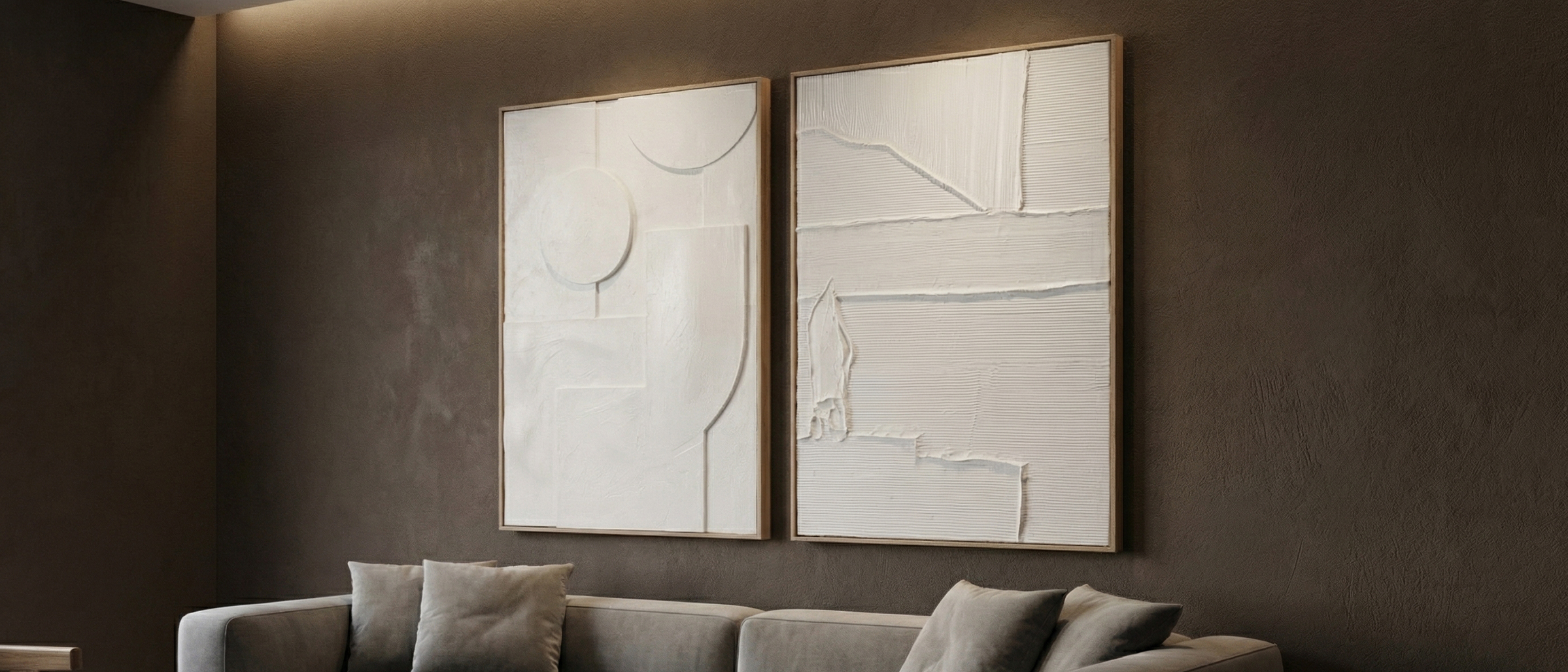
- Accent Lighting: Used to highlight artwork, plants, or architectural features.
3. Select the Right Fixtures
Choosing appropriate lighting fixtures is essential for both style and function. Consider:
- Light fixtures with adjustable brightness and color temperature options.
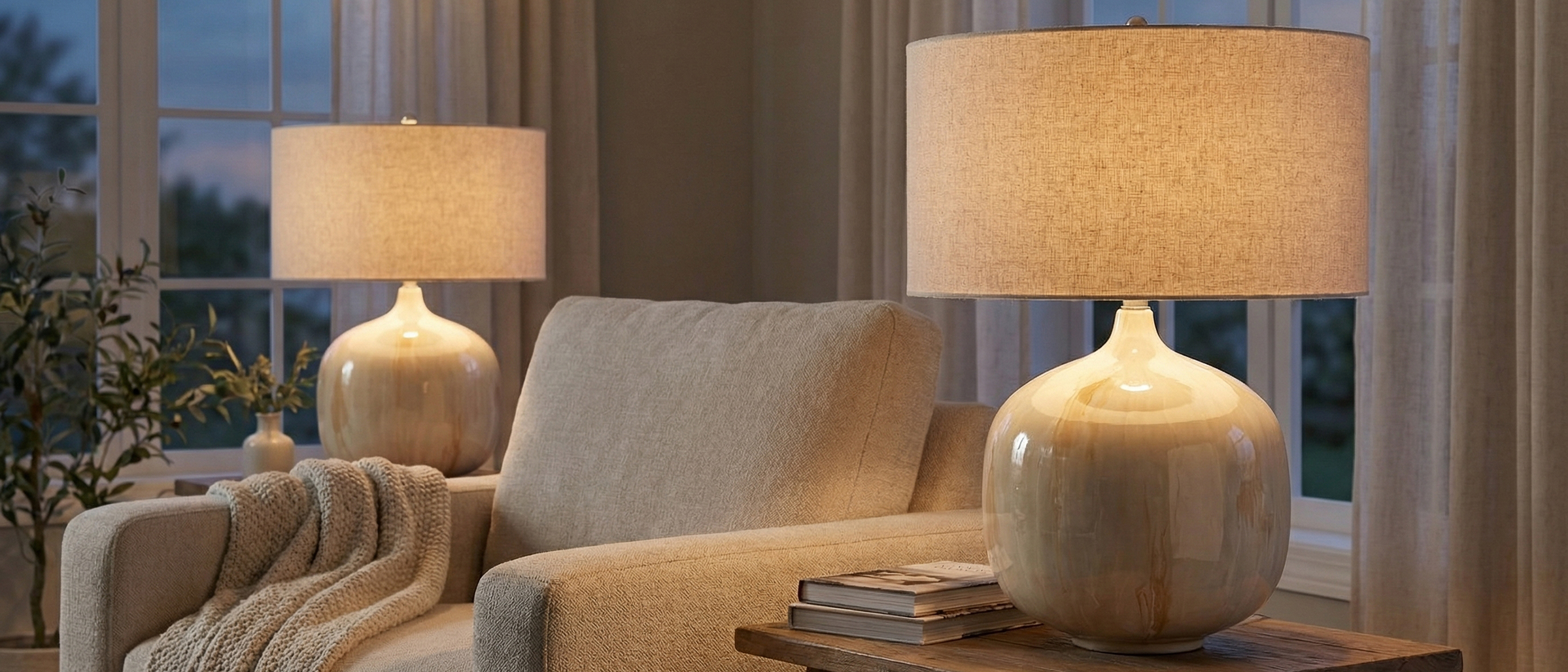
- Decorative fixtures that complement your home’s style while providing sufficient light.
- Energy-efficient LED bulbs to maximize electrical savings.
Benefits of Home Interior Lighting Design Ideas
Implementing a well-thought-out lighting design not only changes the look of your home but also offers practical advantages:
- Highlighting Features: Use light to accentuate architectural details or decor elements.
- Functional Spaces: Ensure every area serves its purpose, with adequate light for tasks and activities.
- Creating Atmosphere: Adjust light levels and colors based on the mood you wish to set.
How to Perfect Your Lighting Design at Home for Every Space
Different rooms require tailored approaches to lighting. Here are unique considerations for each space:
Living Room
Incorporate a mix of overhead and floor lamps to create a cozy, welcoming atmosphere. Soft lighting can facilitate relaxation in the evenings.
Kitchen
Task lighting is crucial in kitchens. Use under-cabinet lights and focused pendant fixtures over prep areas to ensure safety and efficiency while cooking.
Bedroom
Soft, adjustable lighting helps set a tranquil mood. Consider bedside lamps with dimmers for personalized comfort levels.
FAQs About Light Home Design
What is the best way to implement home interior lighting design ideas?
Start with understanding how natural light enters each room. Layer your lighting with a mix of ambient, task, and accent lights for balance.
How can I master home room light colour design?
Select light bulbs that match the room’s purpose. Cooler tones (like daylight) are ideal for kitchens and workspaces, while warmer tones create a cozy feel in living areas.
For more inspiration on achieving effective home lighting, explore our articles on outdoor home lighting design, and check out our guide on lighting design at home.
Ultimately, achieving a balanced and aesthetically pleasing light home design not only enhances the beauty of your living space but also contributes to a positive lifestyle. Embrace these principles to illuminate your home with purpose and style.