Choosing the right abstract wall art paintings can significantly enhance the ambiance of your home. These modern artworks provide an opportunity to express personal style and add color, emotion, and character to your living space. From vibrant hues to subtle tones, abstract art can transform any room into a visual retreat. This article offers guidance on selecting and styling these captivating pieces.
What Are Abstract Wall Art Paintings?
Abstract wall art paintings are pieces that do not depict recognizable subjects but instead use shapes, colors, and forms to convey emotions and ideas. Unlike traditional art, abstract pieces invite viewers to interpret what they see, making them a unique addition to any decor.
Why Choose Abstract Art for Your Home?
- Versatility: Abstract wall art blends seamlessly with various decorating styles—from contemporary to minimalist—and can work in any space.
- Emotionally Engaging: These paintings often evoke feelings and inspire thought, adding a deeper connection to your home.
- Visual Focal Points: A well-placed piece can serve as a centerpiece in your room, drawing attention and sparking conversation.
How to Choose the Right Abstract Wall Art Paintings?
- Consider Your Space: Take measurements of the area where you plan to hang the art. Large pieces typically work better on expansive walls, while smaller artworks can enhance cozy spaces.
- Select Color Palettes: Choose artwork that complements or contrasts with your existing decor. Think about the mood you wish to create—vibrant colors for energy or muted tones for calmness.
- Think About Themes: Consider whether you prefer geometric shapes, fluid forms, or a mix of both. Your theme should resonate with your personal style.
- Quality Matters: Invest in quality materials that will last. Look for reputable sources when purchasing abstract wall art to ensure a stunning and lasting effect.
How to Style Abstract Wall Art in Your Home?
Once you’ve selected the perfect piece, the next step is to style it within your home. Here are some tips to do just that:
1. Focal Point Creation
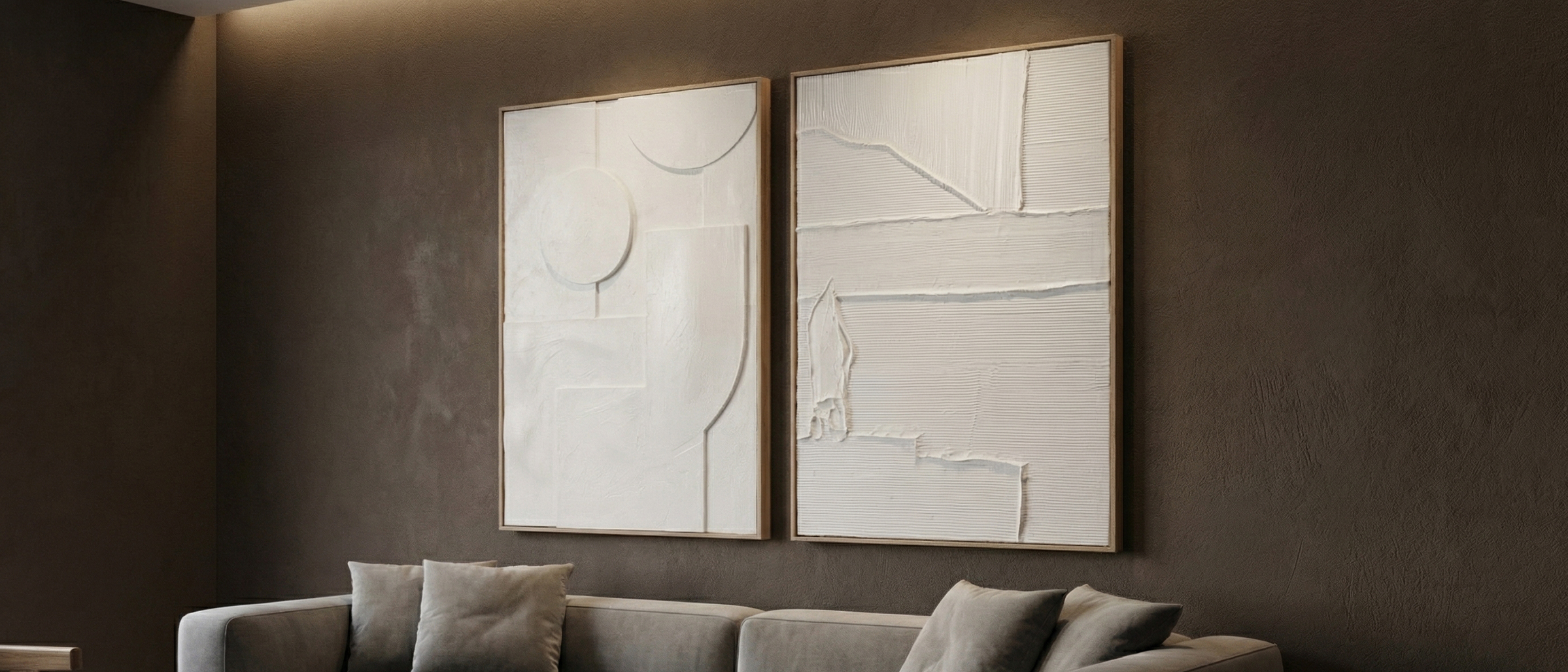
Position your abstract wall art over a significant piece of furniture, like a sofa or a console table, to create a focal point. This draws attention to the art while enhancing the visual appeal of the furnishings.
2. Gallery Wall Configurations
Create a gallery wall by grouping several smaller abstract paintings together. Maintain a cohesive look by ensuring they share similar colors or themes.
3. Height Placement
Hang your artwork at eye level for maximum impact. If there are multiple pieces, ensure they align in a way that guides the viewer’s gaze effortlessly from one painting to the next.
4. Complementing With Accessories
Enhance your abstract wall art with complementary pieces like decorative pillows, throws, or even other decor items. For instance, consider pairing it with abstract grey and white wall art for a coordinated look.
Where to Place Abstract Wall Art in Your Home?
When it comes to placement, consider these ideal spots:
- Living Room: Above couches or as a centerpiece on a feature wall.
- Bedroom: Above the bed or as part of a gallery wall in the hallway.
- Home Office: Behind your desk or above shelving to inspire creativity.
What Are the Best Abstract Wall Art Styles?
Different styles of abstract wall art can influence the overall atmosphere of your room. Here are a few popular options:
- Minimalist: Focuses on simplicity and often uses neutral tones. Check our guide on abstract wall art featuring minimalist people for examples.
- Bold and Colorful: Uses strong colors and dynamic patterns to create an energetic vibe.
- Black and Gold: Pieces that incorporate monochrome with metallics for a touch of sophistication—explore our abstract black and gold wall art reviews for inspiration.
Frequently Asked Questions
What is the best material for abstract wall art?
Canvas or high-quality paper are preferable due to their durability and ability to showcase vibrant colors effectively.
How do I care for my abstract wall art?
Dust regularly and avoid direct sunlight to prevent fading. Consider using glass or acrylic frames for added protection.
Can I make my own abstract wall art?
Absolutely! Experimenting with paints, brushes, and different surfaces can be a rewarding way to produce unique art that reflects your style.