What Is the Importance of Kitchen Lighting Design for Home?
Kitchen lighting design for home plays a crucial role in functionality and ambiance. A well-designed lighting scheme not only ensures adequate visibility for cooking and cleaning but also sets the mood for gatherings and family meals. The right combination of lighting options can enhance your kitchen’s aesthetic appeal while providing practical solutions for everyday tasks.
What Are the Different Types of Kitchen Lighting?
Understanding the various types of kitchen lighting is essential for achieving an effective design. Here are the primary categories:
- Task Lighting: This type focuses on specific work areas, providing direct light where it’s needed most. Examples include recessed lighting above countertops and pendant lights over islands.
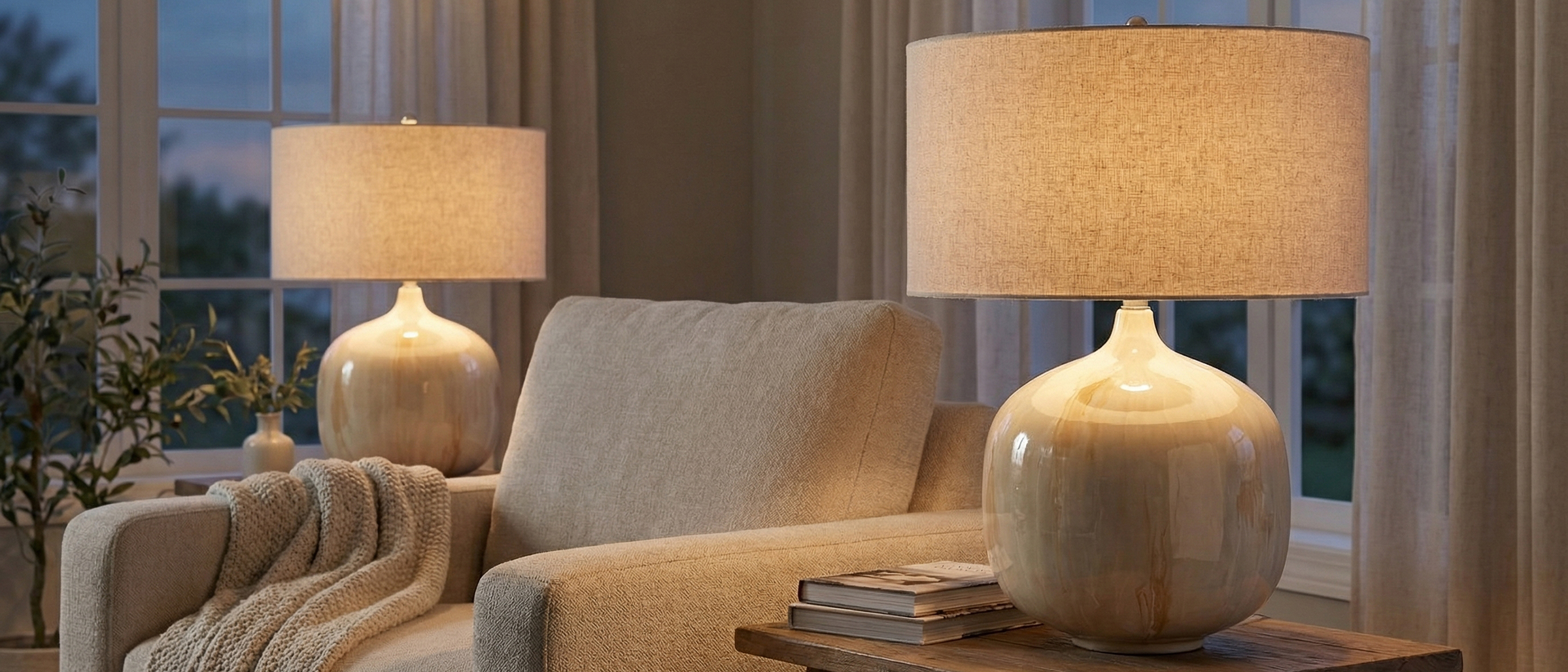
- Ambient Lighting: This general lighting serves to illuminate the entire space, often created by ceiling-mounted fixtures or chandeliers.
- Accent Lighting: Used to highlight architectural features or decor, accent lighting can include under-cabinet lighting or track lighting that draws attention to particular elements.
How to Combine Different Lighting Types for Kitchen Design?
To create a cohesive kitchen lighting design for home, combining various lighting types is essential. Here are some strategies:
- Use recessed lighting for ambient illumination while incorporating pendant lights above islands for task lighting.
- Opt for under-cabinet lights to enhance work surfaces and add layers to your lighting scheme.
- Incorporate wall sconces to provide accent lighting, drawing attention to artwork or decor elements.
Benefits of Layering Lighting in Your Kitchen
- Enhanced Functionality: Proper layering allows you to adjust lighting levels according to tasks, whether you’re prepping a meal or entertaining guests.
- Visual Interest: Combining different lighting sources creates depth and dimension, making the kitchen more inviting and visually appealing.
- Energy Efficiency: With a variety of lighting options, you can choose to use specific lights based on your needs, potentially saving on energy costs.
What Should You Consider When Selecting Kitchen Lighting Fixtures?
Choosing the right fixtures is essential for achieving an effective kitchen lighting design for home. Keep the following factors in mind:
- Size and Scale: Ensure that the size of your lighting fixtures is proportional to the kitchen space. Oversized pendants can dominate a small room, while tiny fixtures can get lost in a large area.
- Style: Choose fixtures that complement the overall design theme of your kitchen, whether it’s modern, industrial, or traditional.
- Functionality: Consider fixtures that allow for dimming options or different color temperatures to adapt to various activities.
How Can You Enhance Your Kitchen Lighting with Smart Technology?
Integrating smart technology into your kitchen lighting design can provide convenience and style. Here are some options:
- Smart Bulbs: These allow you to adjust brightness and color temperature through a smartphone app, enabling customized lighting based on your needs.
- Voice Control: Pairing your lights with a smart home assistant can enable you to control your lighting through voice commands.
- Automated Systems: Scheduling routines can help automate lighting, adding to energy efficiency and ease of use.
What Are Some Tips for Lighting Design in Open Concept Kitchens?
Open-concept kitchens often require more nuanced lighting strategies to define spaces. Here are some key tips:
- Use Different Fixtures: Implement distinct light sources in adjoining living areas to delineate spaces while maintaining continuity.
- Add Dimmer Switches: This helps control lighting intensity in different areas, making it easy to create desired atmospheres.
- Highlight Key Features: Use accent lighting to draw attention to focal points like a kitchen island or unique cabinetry.
Frequently Asked Questions About Kitchen Lighting Design for Home
What is the best type of lighting for a kitchen?
A combination of ambient, task, and accent lighting usually works best to ensure functionality and aesthetic appeal.
How can I make my kitchen feel larger with lighting?
Using bright, reflective surfaces and strategically placing lights can create an illusion of more space, making your kitchen feel larger.
Is it necessary to have dimmable kitchen lights?
Dimmable lights offer flexibility, allowing you to adjust lighting levels based on different tasks and preferences, enhancing the kitchen experience.
Where can I find modern kitchen lighting solutions?
For stylish and high-quality options, consider exploring our collection at Sagebrook Home.
Effective kitchen lighting design for home greatly influences how you interact with this vital space. By understanding the different types of lighting, incorporating smart technology, and paying attention to style and functionality, you can create a truly inviting kitchen environment.