Designing the perfect home lighting involves much more than choosing a few pretty fixtures. It’s about creating an atmosphere that enhances the beauty of your home, showcases its best features, and supports your daily activities. If you’re searching for effective home lighting design strategies, you’re in the right place. Discover how to achieve the right balance of functionality and style with these tips and resources.
What Are the Key Elements of Home Lighting Design?
To master home lighting design, you should consider several fundamental elements:
- Layering: This involves using multiple sources of light at various levels—ambient, task, and accent lighting works together to create well-distributed illumination.
- Color Temperature: Understanding how warm or cool light affects the mood in a room can significantly influence the overall ambiance. Choose a light temperature between 2700K to 3000K for warm light, and 3500K to 4100K for cooler tones.
- Functionality: Each area of your home serves different purposes; therefore, the lighting should meet those needs. Task lighting in kitchens or home offices, for example, is crucial for productivity.
How Can You Layer Lighting for Better Results?
Layering is crucial for creating depth in your lighting design. Here’s how to achieve it:
- Ambient Lighting: Use ceiling fixtures or recessed lights to provide general illumination throughout the room.
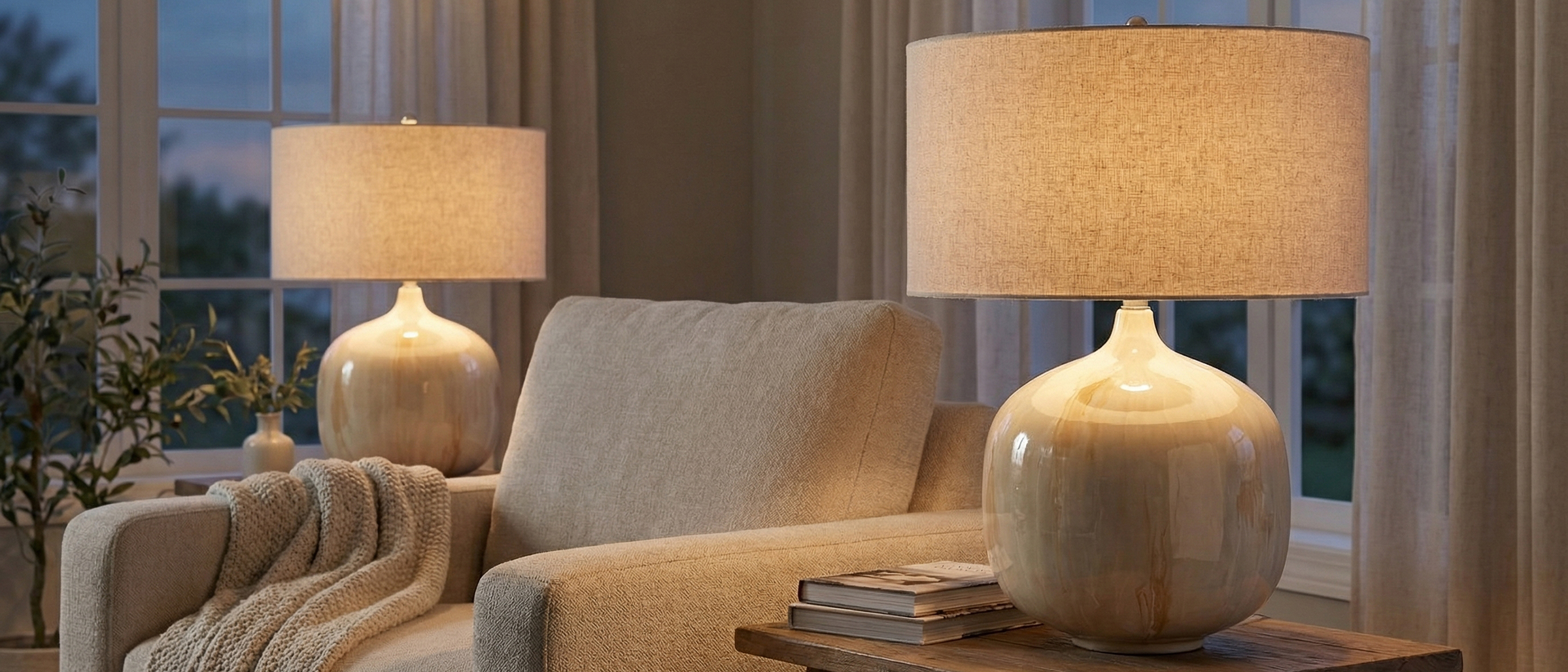
- Task Lighting: Incorporate lamps or under-cabinet lighting to cater to specific tasks such as reading or cooking.
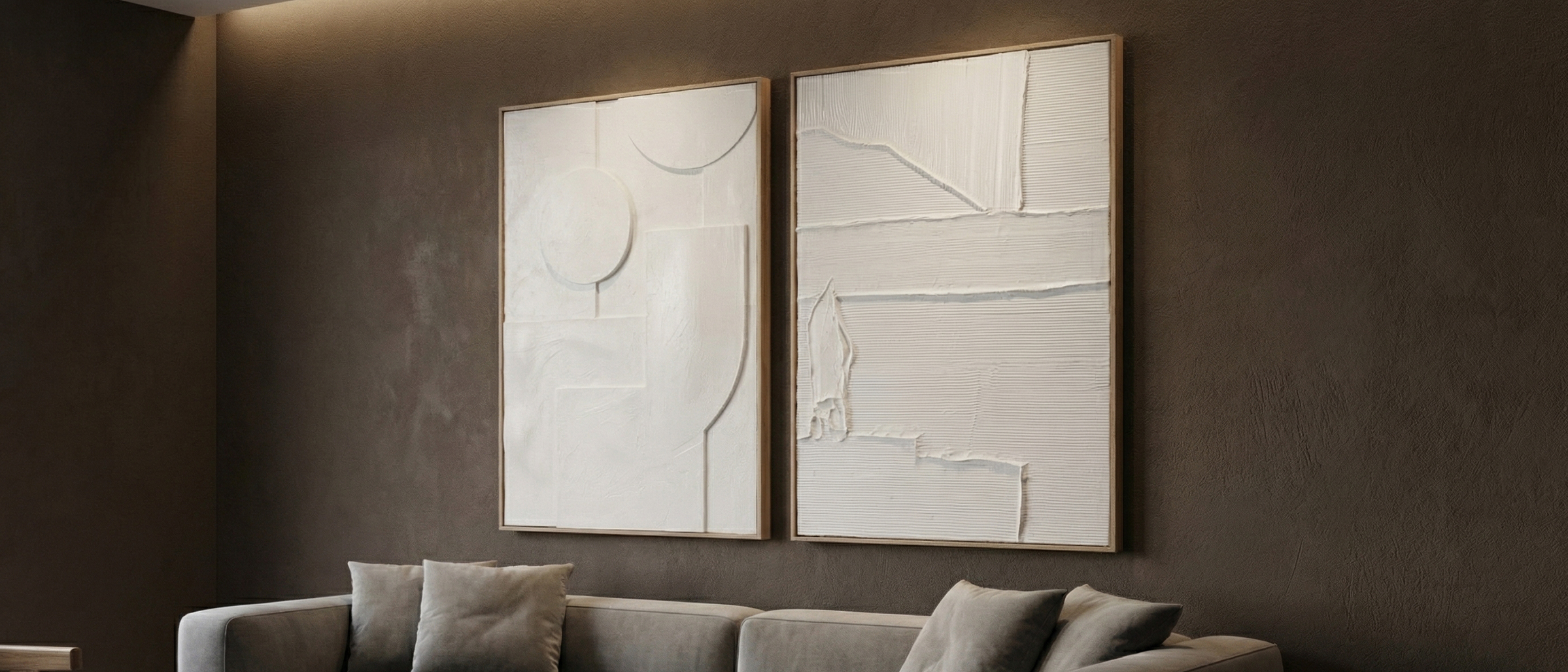
- Accent Lighting: Highlight artwork or architectural features with spotlights or wall sconces for added visual interest.
For more lighting ideas, check out these home lighting design ideas.
How Do You Choose the Right Fixtures for Your Space?
When selecting light fixtures, keep the following guidelines in mind:
- Scale: Ensure the size of the fixtures is appropriate for the space. A large chandelier can overwhelm a small dining room, while petite sconces may disappear in a grand hall.
- Style: Consider how the fixtures complement your home’s decor. Fixtures should harmonize with your overall aesthetic, from contemporary to rustic.
- Function: Choose fixtures that serve a purpose beyond decoration. For example, pendant lights over a kitchen island should also provide practical, focused lighting.
What Are the Benefits of Using Smart Lighting?
Smart lighting is becoming increasingly popular for homeowners looking for convenience and efficiency. Here are some benefits:
- Control: Adjust your lights remotely via smartphone apps or through voice commands.
- Energy Efficiency: Smart bulbs typically use less energy, resulting in lower electricity bills.
- Customizability: Set schedules and scenes to automatically change lighting based on your needs or time of day.
For more information on implementing modern technologies, visit our guide on home lighting design applications.
How Can You Implement Home Lighting Design Guidelines?
Understanding and implementing home lighting design guidelines can make a significant difference in your space’s atmosphere. Here are essential steps:
- Assess Your Space: Begin with a thorough evaluation of your rooms. Note areas that require more light or where you can create ambiance.
- Define Zones: Organize rooms into functional zones for targeted lighting implementation.
- Designate Lighting Types: Choose fixtures that fit each zone’s specific needs—ambient lights for general areas and accent lights for focal points.
To dive deeper into effective strategies for lighting your home, consider our home lighting design guidelines.
What Accessories Enhance Your Home Wall Light Design?
Wall lights can significantly enhance your home’s ambiance. Here are some accessories to improve your wall light design:
- Dimmers: Install dimmers for adjustable light levels in various scenarios.
- Decorative Shades: Customize your wall lights with shades that complement your home’s style, adding a touch of flair.
- Motion Sensors: Include sensors for safety and energy savings, particularly in hallways and entryways.
Explore more about how to maximize these elements in your space with our article on home wall light design.
FAQs About Home Lighting Design
What is the best type of lighting for a small room?
In small rooms, it’s best to use multiple light sources to avoid overcrowding with one large fixture. Combining floor lamps, wall sconces, and recessed lighting offers a well-rounded glow without overwhelming the space.
How can I make my home lighting more energy-efficient?
To improve energy efficiency, switch to LED bulbs, utilize natural light whenever possible, and consider installing smart lighting systems for added control.
Effective home lighting design is crucial for creating a comfortable and functional living environment. With careful planning and the right resources, you can illuminate your spaces beautifully. Start exploring today!