Designing the perfect lighting for your living room can dramatically impact its atmosphere, functionality, and aesthetic appeal. Understanding how to design home lighting living room is key to creating a space that feels inviting and comfortable. This article will guide you through essential considerations, styles, and techniques to achieve ideal lighting in your living room.
What Are the Different Types of Lighting?
Incorporating various types of lighting will ensure your living room is well-lit and visually appealing. Consider these primary lighting categories:
- Ambient Lighting: The primary source of illumination that provides overall brightness to the room.
- Task Lighting: Focused lighting designed for specific activities, such as reading or working.
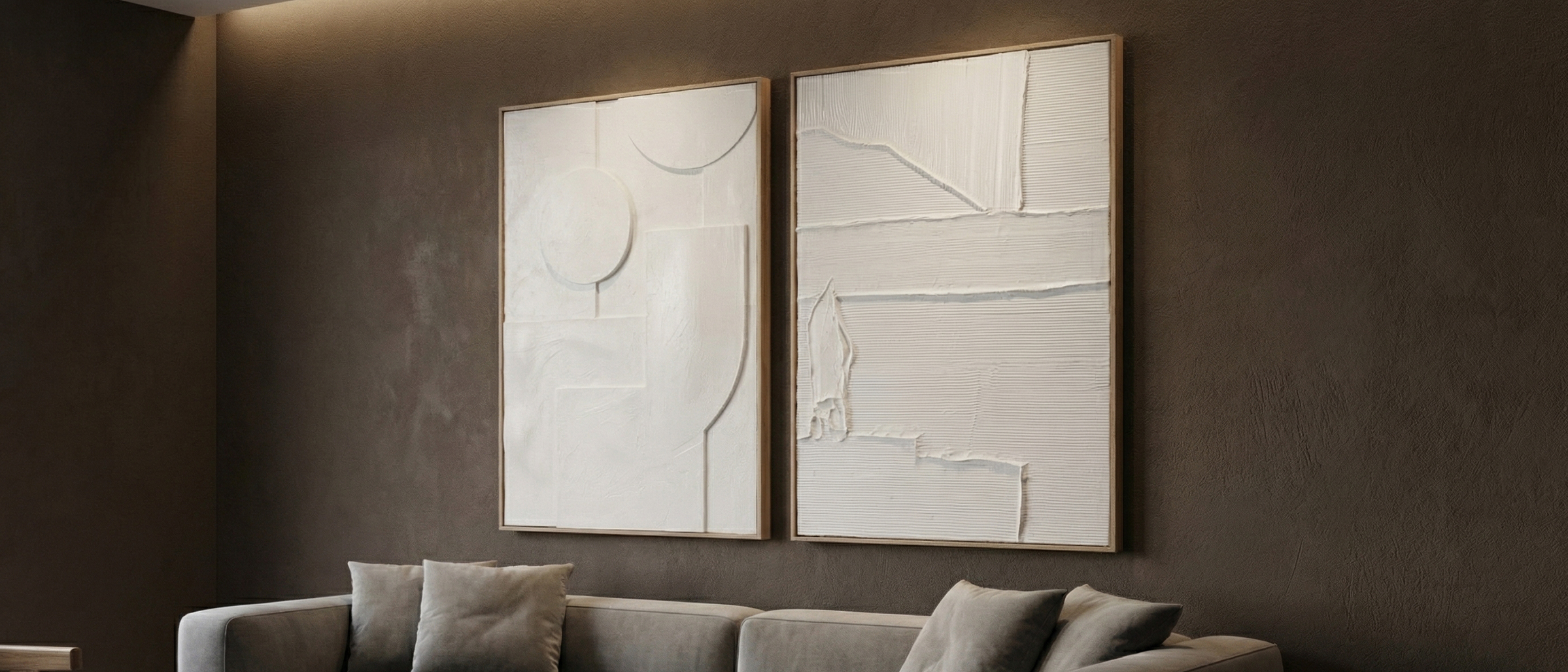
- Accent Lighting: Adds emphasis to particular areas or objects, such as artwork or architectural features.
How to Incorporate Ambient Lighting
To achieve a well-lit environment, begin with ambient lighting. This can be accomplished through:
- Ceiling-mounted fixtures, like chandeliers or flush mounts.
- Wall sconces that provide indirect light.
- Floor lamps positioned in corners or next to seating areas.
Choosing a light fixture that complements your decor style, while offering sufficient brightness, is essential. Explore options like the best light design for home to find suitable choices.
Adding Task Lighting Effectively
Enhance functionality with task lighting. Here are some ideas:
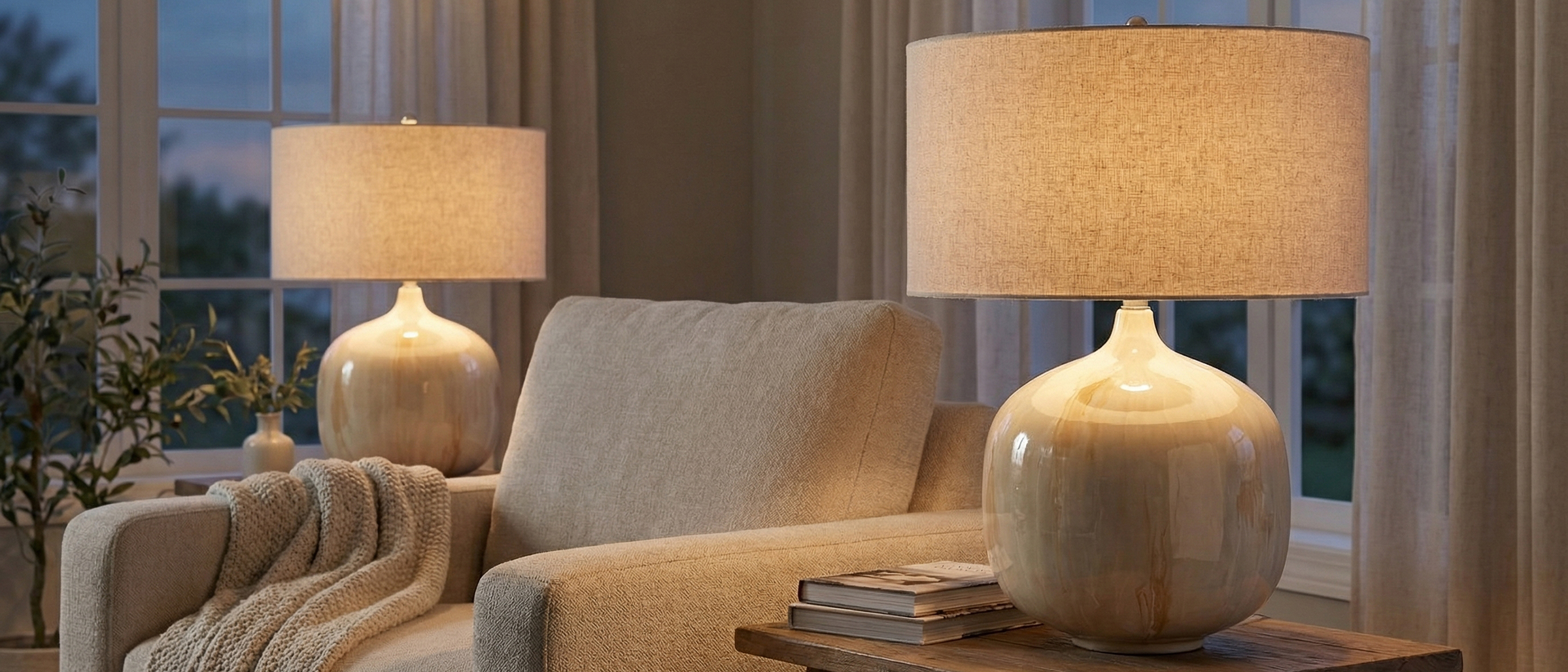
- Reading Nooks: Place a floor lamp or adjustable table lamp within reach for easy access.
- Game Tables: Install pendant lights directly above the table for focused illumination.
- Workstations: Utilize desk lamps at home office corners to provide adequate lighting.
Task lighting should be adjustable and match the overall lighting theme. LED lamps can offer energy efficiency while highlighting specific areas.
What Are the Benefits of Layering Light?
Layering lighting can enhance the ambiance and versatility of your living room. Here are some benefits:
- Flexibility: You can adjust lighting levels based on your activities, mood, or time of day.
- Enhanced Aesthetics: Different light sources add depth and dimension to your living space.
- Functional Zones: Define areas within your living room while maintaining a cohesive look.
Combining these layers allows you to emphasize certain styles and furniture pieces. For instance, utilize accent lighting for artwork while keeping ambient lighting soft.
What Color Temperature Should You Choose?
The color temperature of your light can affect the feel of your living room. Light bulbs typically range from warm (2700K) to cool (5000K). Here’s a guide:
- Warm White (2700K–3000K): Ideal for living rooms as it creates a cozy atmosphere.
- Neutral White (3500K–4100K): Provides a cleaner look suitable for task-oriented areas.
- Cool White (5000K–6500K): Often used in modern spaces, but can feel harsh in living areas.
Opt for warm or neutral light to create a relaxing environment. Consider LED options for flexibility in color temperature.
How Do You Match Fixtures with Decor Style?
Your lighting fixtures should harmonize with your living room’s decor style. Here are some suggestions based on popular styles:
- Modern: Sleek pendants and linear fixtures work well.
- Farmhouse: Use rustic chandeliers and lantern-style sconces. For more details, check out our guide on farmhouse home decor wholesale.
- Industrial: Incorporate raw materials like metal and exposed bulbs.
Why Consider Dimmers and Smart Controls?
Dimmers and smart lighting controls can significantly improve your living room experience. Benefits include:
- Customizable lighting settings for different activities or moods.
- Energy savings by allowing you to control brightness levels.
- Enhanced decor elements by emphasizing features with adjustable lighting.
FAQs About Home Lighting Design
What is the best lighting layout for a living room?
A successful layout consists of a balanced combination of ambient, task, and accent lighting with an emphasis on flow and function. Use strategic placement to ensure that areas for reading, chatting, and entertainment are appropriately lit.
How can I make my living room appear bigger with lighting?
Utilize soft, indirect lighting and mirrors to reflect light, creating an illusion of space. Also, opt for lighter shades and fixtures that blend with the walls.
If you need more detailed techniques on modern lighting solutions, check our blog home design track lighting.
Designing effective living room lighting is an essential step in creating a welcoming and functional space. By understanding the types of lighting, leveraging layering techniques, and choosing suitable fixtures, you can achieve a beautifully illuminated living room that fits your lifestyle.