What is Home Design 3D Lighting?
Home design 3D lighting refers to the innovative use of three-dimensional modeling techniques to plan and visualize lighting within a space. By integrating these technologies, homeowners and designers can assess how light interacts with different surfaces, colors, and textures in a realistic setting. This modern approach enhances the decision-making process when selecting lighting fixtures and layouts, ensuring that each element contributes effectively to the overall design.
How Does Home Design 3D Lighting Benefit Your Space?
The advantages of employing home design 3D lighting are numerous. Here are some key benefits:
- Realistic Visualization: 3D models provide a true-to-life representation of how light will appear in your space, making it easier to choose the right fixtures.
- Enhanced Decision-Making: With the ability to experiment with different lighting schemes in virtual environments, homeowners can make informed choices.
- Space Planning: 3D lighting helps visualize how light will interact with furniture and architectural details, optimizing placement for maximum effect.
How to Incorporate Home Design 3D Lighting in Your Project?
Here are steps to effectively integrate home design 3D lighting into your design project:
- Choose the Right Software: Opt for user-friendly design software that specializes in 3D lighting visualization.
- Create Your Space Model: Input dimensions and layout of the space you wish to visualize the lighting for.
- Select Lighting Fixtures: Explore various lighting options, including ambient, task, and accent lighting to suit your design needs.
- Adjust Lighting Settings: Experiment with brightness, color temperatures, and angles in the software to see real-time changes in your virtual model.
- Finalize Your Design: Review your options and make adjustments until the design meets your expectations.
What Are the Key Considerations for Home Design 3D Lighting?
When planning lighting design projects using 3D modeling, keep the following factors in mind:
- Space Usage: Determine how the space will be used. Different activities require distinct lighting types.
- Color Schemes: Lighting can dramatically alter perceived colors; thus, it is essential to account for this in your design.
- Fixture Placement: Position fixtures thoughtfully to avoid shadows and create a balanced light distribution.
How to Choose the Right Design Lights for Your Home?
Selecting the right fixtures is crucial. Consider these tips:
- Identify the mood you wish to set in the room.
- Choose energy-efficient lighting options to reduce costs.
- Match the style of fixtures with your overall home decor.
For more detailed guidance, check out our article on how to choose the right design lights for home décor and ambiance.
How to Use Lighting Design in Homes for Different Spaces?
Applying lighting design principles is essential for each area of your home:
Living Room
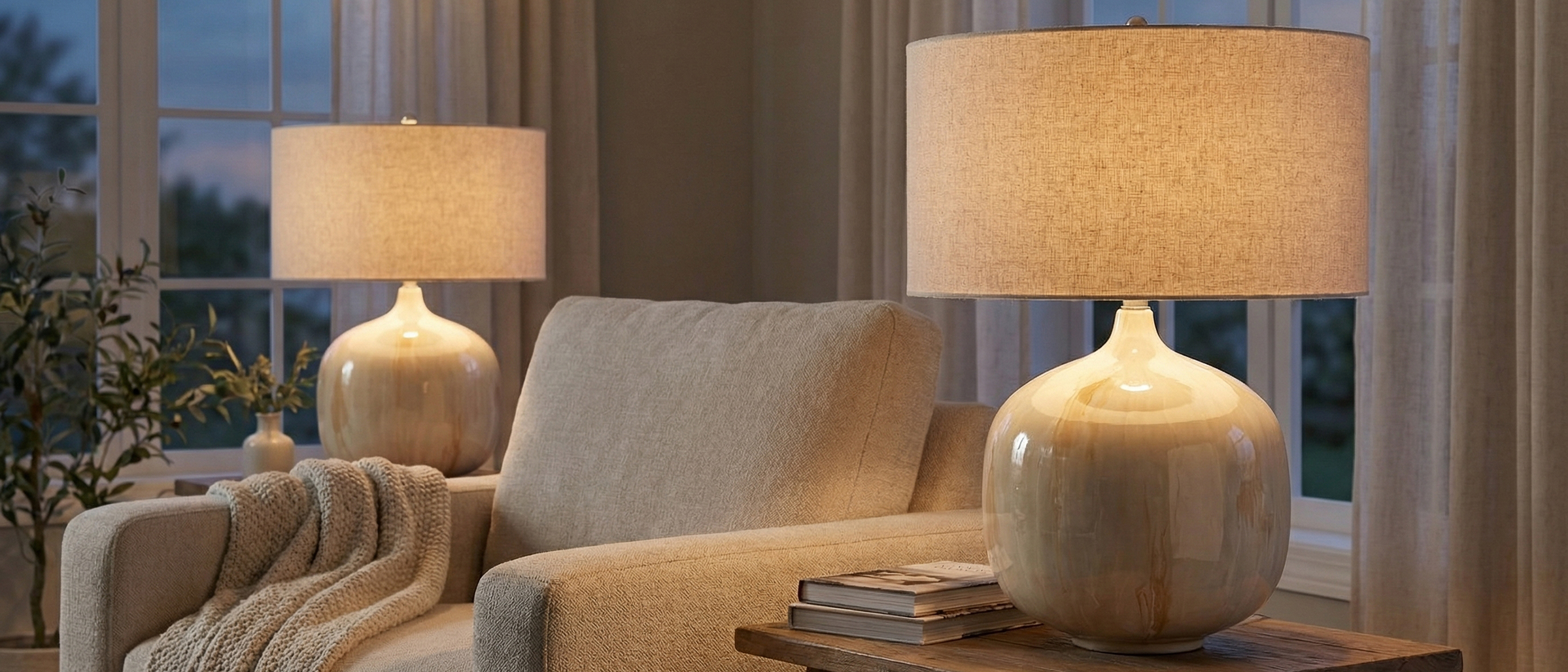
Focus on layered lighting: mix ambient, task, and accent lights to create an inviting atmosphere.
Kitchen
Bright and focused task lighting is crucial for cooking and meal prep areas, while ambient lighting can add warmth.
Bedroom
Utilize softer lighting with dimmer options for a relaxing environment that promotes rest.
Home Office
Effective lighting design for home office should prioritize direct illumination to enhance productivity.
How to Punch Home Design Lighting in Your Room?
Punch home design lighting can dramatically improve the feel of a room. Here are effective ways to enhance your space:
- Introduce Statement Fixtures: Unique chandeliers or pendant lights can serve as focal points.
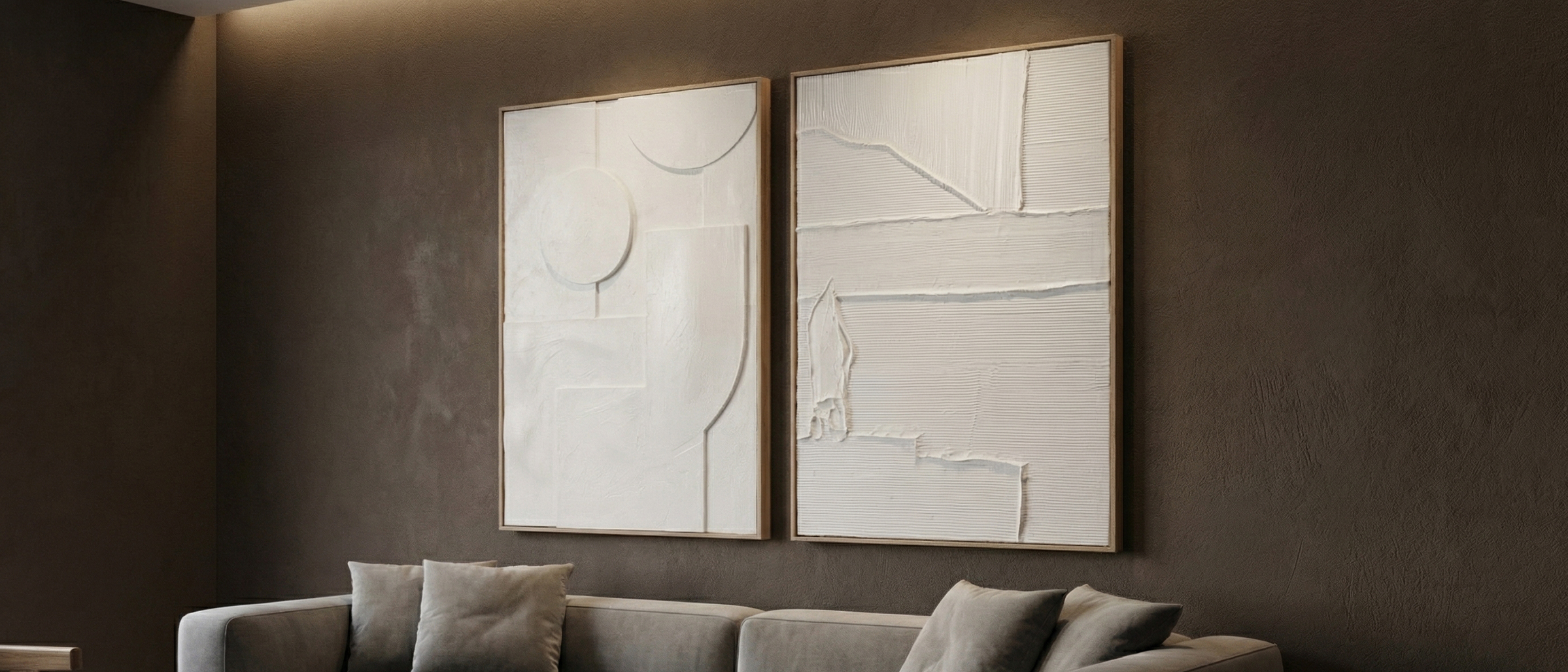
- Layer With Accents: Use smaller accent lights to highlight artwork, textured walls, or architectural features.
- Implement Dimming Options: Dimmers allow flexibility in adjusting brightness according to the time of day or activity.
Explore our detailed approach on punch home design lighting to explore stylish and functional options.
Frequently Asked Questions About Home Design 3D Lighting
What should I consider when designing with 3D lighting?
Consider the space’s purpose, existing colors, and desired ambiance. Each factor influences the overall design.
Is 3D lighting design software user-friendly?
Many software options are designed for ease of use, providing tutorials and templates to assist beginners.
Can I see how lighting will look before making a purchase?
Yes, 3D lighting design lets you visualize your selections, ensuring the final result meets your expectations.
For further insights on effective lighting layouts, visit our article on home lighting design.
When planning your next home design project, don’t underestimate the critical role of lighting. Utilizing home design 3D lighting can greatly enhance the functionality and aesthetic appeal of your space!