What Is Home Lighting Design and Why Is It Important?
Home lighting design refers to the art and science of creating a well-lit environment within your home. It involves strategically placing different types of lights to achieve optimal illumination, enhancing both functionality and aesthetics. Effective lighting design is crucial as it can significantly impact the mood of the space, the safety of the home, and the overall comfort of the residents.
How to Choose the Right Lighting Elements for Your Home?
Selecting the appropriate lighting fixtures is vital in achieving an effective home lighting design. Consider these steps:
- Understand the Purpose: Determine what you want to achieve with the lighting, whether it’s ambiance, task lighting, or focal points.
- Consider Different Light Sources: Use a combination of ambient, task, and accent lighting. Ambient lighting provides overall illumination, task lighting focuses on work areas, and accent lighting highlights certain features.
- Select Suitable Fixtures: Choose fixtures that complement your home décor while being functional. From chandeliers to wall sconces, there are various options available.
- Implement Smart Lighting: Embrace smart lighting solutions to adjust your home’s lighting based on different activities or times of day.
What Are the Best Lighting Techniques for Different Rooms?
Each room in a home serves a unique purpose, and its lighting should reflect that. Here’s how to light different spaces:
Living Room
- Use a mix of overhead lighting and floor lamps for layered illumination.
- Install dimmer switches for flexibility in mood setting.
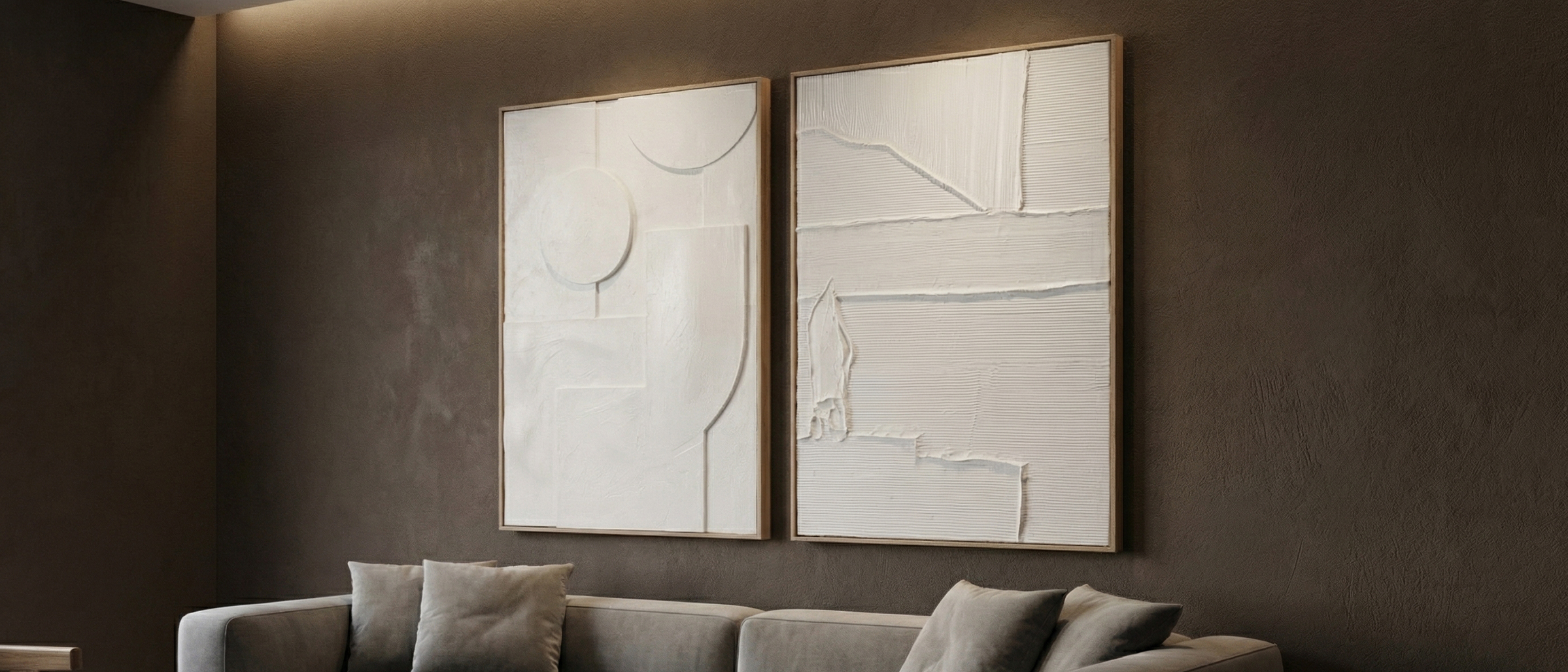
- Accent lighting through artwork or special architectural features adds interest.
Kitchen
- Incorporate bright, white task lighting over workspaces.
- Consider under-cabinet lighting to illuminate counters.
- Pendant lights can serve as both task lighting and decorative elements.
Bedroom
- Use soft, warm lighting to create a calming atmosphere.
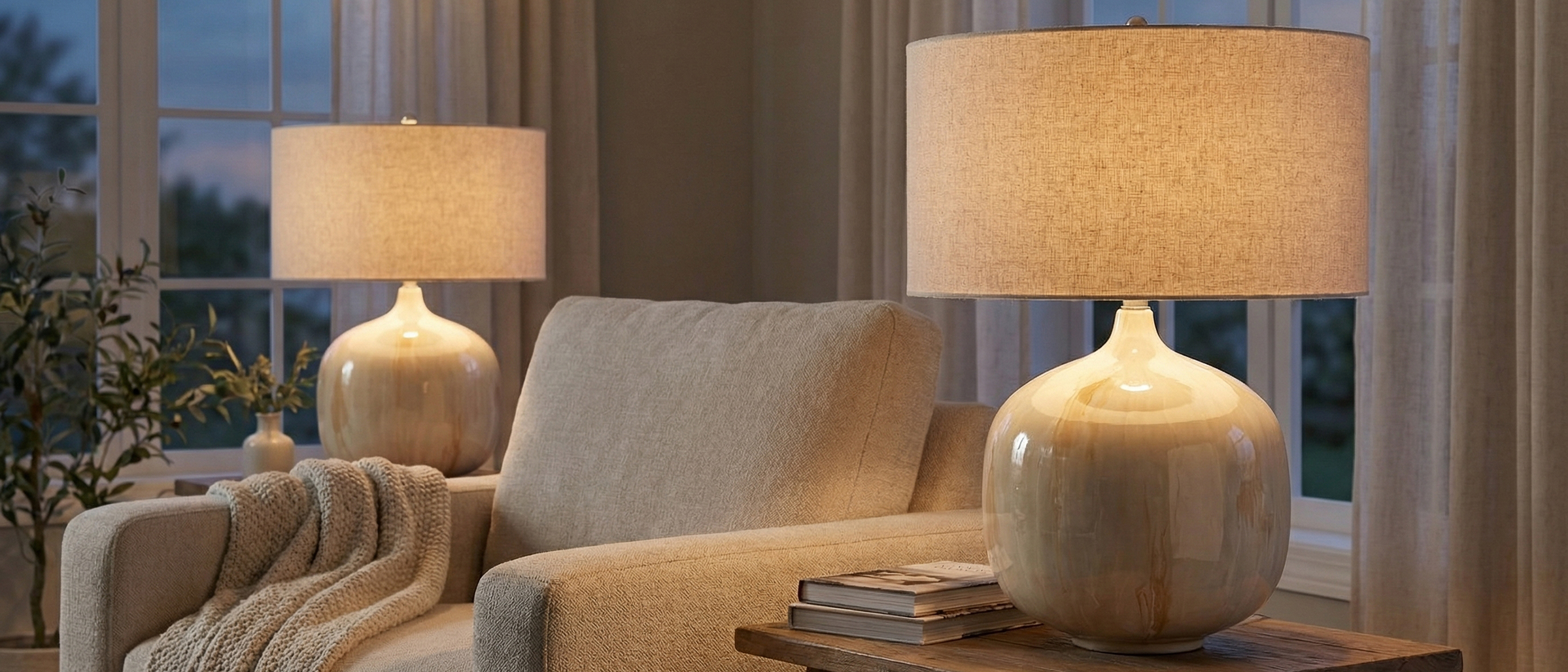
- Table lamps can be effective for bedside reading.
- Consider incorporating adjustable lighting to suit different needs.
Home Office
For a productive work environment, proper lighting is essential.
- Utilize natural light where possible, complemented by adequate task lighting.
- Choose adjustable desk lamps to focus light where needed.
- Ensure the space is well-lit to reduce eye strain during long tasks.
Discover more about setting up your workspace with our insights on lighting design for home office.
How to Incorporate Outdoor Lighting into Your Home Lighting Design?
Outdoor lighting is an extension of your home’s design and requires careful planning as well.
- Pathway Lighting: Illuminate walkways with path lights for safety and aesthetics. Check our guide on landscaping home lighting walkway with solar lights.
- Accent Features: Use spotlights to highlight trees or architectural features. This not only enhances beauty but also provides security.
- Patio and Deck Lighting: Use string lights or lanterns to create an inviting outdoor space.
Learn more about designing functional outdoor spaces with our tips on home outside light design.
How to Achieve Curb Appeal With Home Landscape Lighting Design?
Effective lighting can dramatically boost your home’s curb appeal. Here are some tips to consider:
- Highlight Entryways: Make your front door inviting with wall-mounted fixtures.
- Layer Lighting: Use different types of lights at varying heights to create a visually appealing landscape.
- Focus on the Architecture: Use recessed lighting to draw attention to unique architectural elements.
For a detailed approach, check our guide on home landscape lighting design.
FAQ About Home Lighting Design
What are the three main types of lighting?
The three main types of lighting are ambient, task, and accent lighting, each serving a distinct purpose in a home lighting design.
How do I choose lighting for a small room?
For small rooms, opt for wall-mounted fixtures and recessed lighting to maximize space while maintaining adequate illumination.
Can lighting affect mood?
Yes, different types of lighting can significantly affect mood. Soft, warm lights create a relaxing ambiance, while brighter lights can energize a space.
Final Thoughts
Your home lighting design doesn’t have to be a daunting task. With thoughtful planning and consideration of each space’s needs, you can create an atmosphere that’s functional and appealing. Take the time to explore different lighting solutions that resonate with your personal style and enhance your living environment.