What Is Home Lighting Design?
Home lighting design refers to the strategic planning and arrangement of lighting fixtures to enhance the functionality and aesthetic appeal of a space. Effective lighting doesn’t just illuminate areas; it creates mood, improves safety, and showcases architectural features or decor elements. The right combination of ambient, task, and accent lighting plays a pivotal role in achieving an ideal atmosphere in your home.
Why Is Home Lighting Design Important?
- Enhances Interior Aesthetics: Well-designed lighting highlights your home’s architectural details and decor choices, adding depth and visual interest.
- Improves Functionality: Different rooms require different lighting solutions; proper design ensures that spaces are adequately lit for their intended use.
- Sets the Mood: The color temperature and intensity of lights can completely change the ambiance of a room, making it cozy or vibrant according to your preference.
Key Elements of Home Lighting Design
1. Ambient Lighting
Ambient lighting, also known as general lighting, provides overall illumination. It creates a uniform light level across spaces and is typically achieved through ceiling fixtures, chandeliers, or recessed lighting.
2. Task Lighting
Task lighting focuses on specific areas where activities such as reading, cooking, or working are performed. Examples include pendant lights over kitchen islands or desk lamps in a home office. Investing in good task lighting can greatly enhance efficiency.
3. Accent Lighting
Accent lighting adds drama and highlights specific features such as artwork, plants, or architectural elements. This can be accomplished with spotlights, wall-mounted fixtures, or track lighting, allowing you to draw attention to your favorite decor pieces.
How to Choose the Right Home Lighting Design
- Identify Each Room’s Purpose: Determine the primary function of each room and what type of lighting is needed. For example, a living room may require a combination of ambient and accent lighting, while a kitchen needs adequate task lighting.
- Select Fixtures: Choose fixtures that complement your home decor style. Consider fixtures that are both functional and aesthetically pleasing, such as statement chandeliers in dining areas or simple recessed lights in modern spaces.
- Consider Color Temperature: The tone of your lighting can significantly influence the atmosphere. Cooler temperatures (5000K to 6500K) provide a bright, focused atmosphere, while warmer temperatures (2700K to 3000K) create a cozy and inviting environment.
- Layer Your Lighting: Combine ambient, task, and accent lighting for a balanced approach. This layered lighting design provides flexibility, allowing you to create the perfect ambiance for any occasion.
- Utilize Dimmers: Incorporating dimmer switches gives you control over the intensity of light, allowing you to adjust the atmosphere based on your needs.
Tips for Specific Areas in Home Lighting Design
Living Room
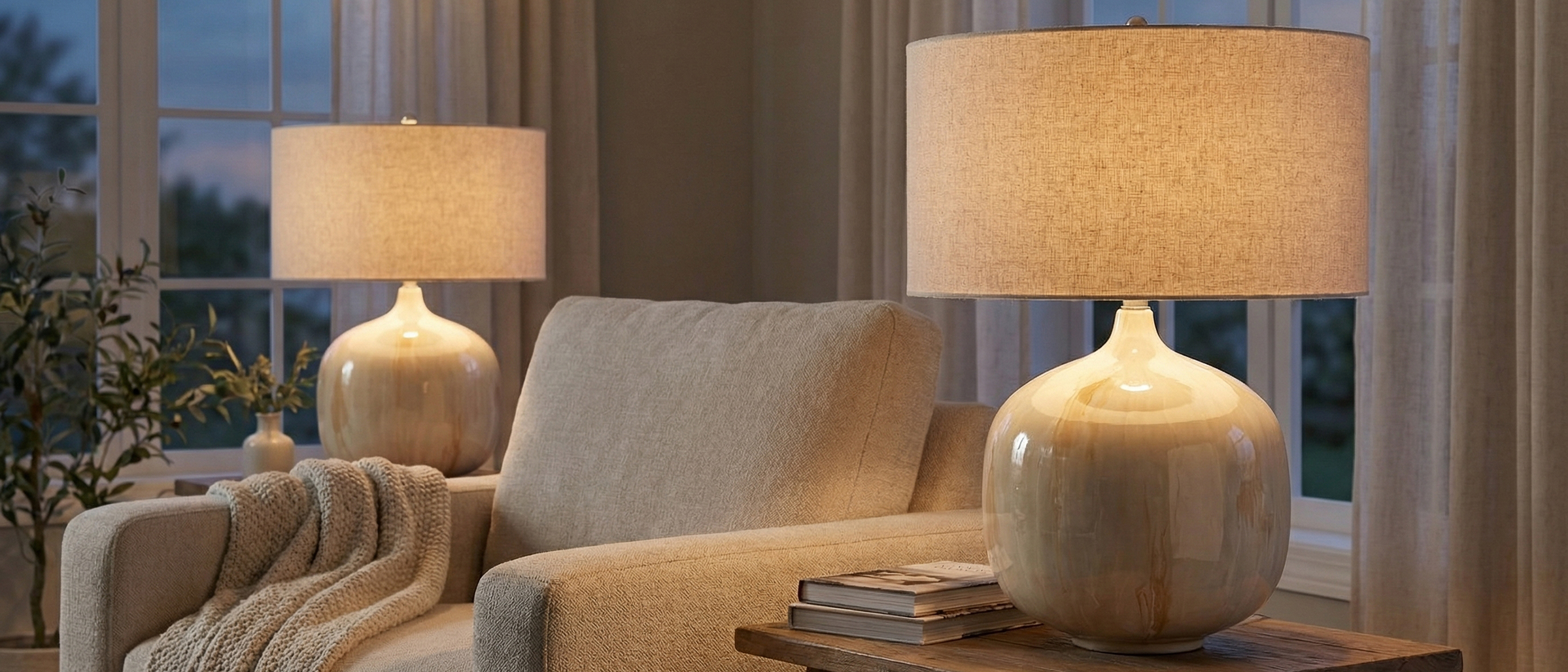
Combine sources of light through floor lamps, table lamps, and a central chandelier. Be sure to create various lighting zones for a dynamic atmosphere during gatherings.
Kitchen
Prioritize task lighting with under-cabinet LEDs and pendant lights. Ensure that countertops and the cooking area are well-lit to facilitate meal preparation.
Bedroom
In bedrooms, consider bedside lamps for reading and add a ceiling fixture that complements the room’s decor. Soft, warm lighting can create a relaxing environment for sleep.
Bathroom
Use bright task lighting around mirrors for grooming. Additionally, install accent lighting for a spa-like atmosphere when you want to unwind.
Common Home Lighting Design Mistakes to Avoid
- Overly Harsh Lighting: Too much brightness can create discomfort. Use a mix of light sources to soften the overall glow.
- Ignoring the Balance of Natural Light: Take advantage of natural light during the day to reduce reliance on artificial lighting.
- Neglecting Scale and Proportion: Ensure that your fixtures are appropriately sized for the space; oversized fixtures can overwhelm, while undersized ones can get lost.
Frequently Asked Questions
How Can I Incorporate Smart Lighting Into My Home Lighting Design?
Smart lighting offers versatility and control. Consider installing smart bulbs or switches that allow you to adjust brightness, color, and scheduling through your smartphone or voice-controlled devices.
What Are Some Budget-Friendly Home Lighting Design Ideas?
DIY projects like painting old fixtures or using string lights can be effective. Additionally, consider sourcing home decor lights to find stylish options at competitive prices.
How Can I Ensure Consistent Lighting Throughout My Home?
Establish a lighting plan that considers the style and color temperature of the bulbs used in different rooms. Regularly review and adjust your home lighting design to maintain consistency and appeal.
Get Started with Your Home Lighting Design Today!
Mastering your home lighting design is essential to creating a cozy and functional space. Whether you’re looking to improve your living room ambiance or create an efficient kitchen workspace, understanding the various elements of lighting can guide you in making informed choices. For more inspiration and resources, check out our lighting home design guide and discover creative solutions tailored to your unique style!