What Is Home Theater Lighting Design?
Home theater lighting design refers to the strategic planning and implementation of lighting fixtures and effects to enhance the cinematic experience at home. It involves balancing ambient, task, and accent lighting to create a space that is both functional and immersive.
Why Is Lighting Important in a Home Theater?
Lighting plays a crucial role in setting the mood and enhancing the viewing experience. Here are several reasons why effective home theater lighting design is vital:
- Enhances Visual Effects: Proper lighting enhances the quality of video and helps in focusing attention on the screen.
- Comfortable Viewing: A well-lit room reduces eye strain and creates a more enjoyable experience for viewers.
- Creates Atmosphere: Strategic lighting can evoke emotions and immerse viewers into the film.
- Functional Use: Adequate lighting is needed for ease of movement, especially in a dark environment.
How to Achieve Effective Home Theater Lighting Design?
Designing the perfect lighting for your home theater can be an engaging project. Here are key steps to consider for an effective approach:
- Assess Your Space: Begin by evaluating the size and layout of your home theater. Take into account wall colors, screen size, and existing light sources.
- Choose Your Lighting Type: Consider ambient, task, and accent lighting. Ambient lighting provides overall illumination, task lighting offers focused light for specific areas, and accent lighting highlights architectural features or decor.
- Select Dimmable Fixtures: Dimmable lights allow you to adjust brightness based on the time of day or scene, improving control over the atmosphere.
- Incorporate LED Technology: LEDs are energy-efficient and available in various colors, making them perfect for customizing the viewing experience.
- Plan for Different Viewing Scenarios: Consider different lighting setups for movie nights versus casual viewing. Each scenario may require a different light configuration.
What Are the Best Lighting Fixtures for Home Theaters?
Choosing the right fixtures can significantly impact your home theater lighting design. Here are some popular types:
- Recessed Lighting: These fixtures provide unobtrusive lighting and can be positioned to minimize glare on the screen.
- Wall Sconces: Wall sconces add accent lighting and can enhance the room’s atmosphere.
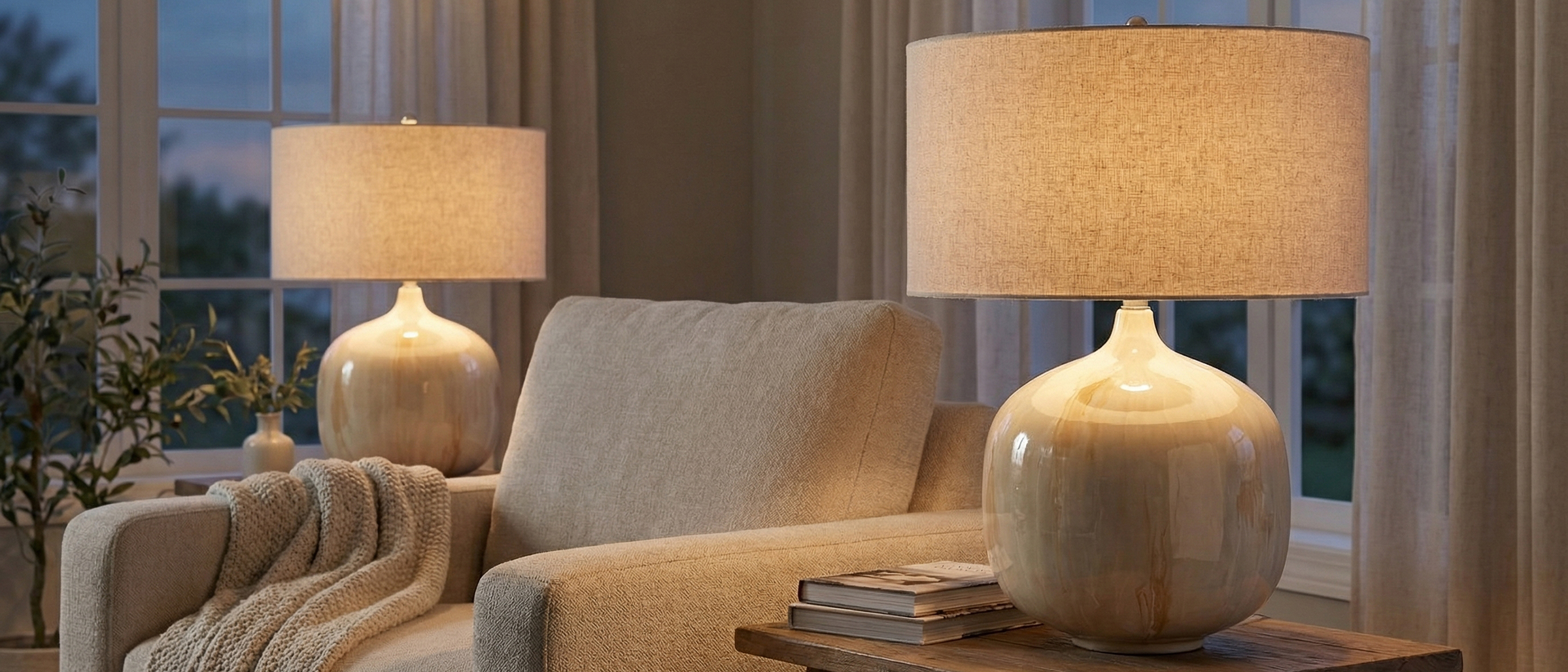
- Table and Floor Lamps: These portable lights offer targeted illumination for reading or snacks without overpowering ambient light.
- LED Strip Lights: Ideal for backlighting the screen or adding color effects, LED strips can create a more dynamic viewing environment.
How Can You Optimize Your Lighting Control?
Effective lighting control is essential for maximizing the potential of your home theater. Here are strategies to achieve optimal control:
- Smart Lighting Systems: Consider investing in smart systems that allow you to adjust lighting via smartphone or voice command.
- Remote Control Dimmers: Dimmers enable quick adjustments without getting up, enhancing convenience during movie viewing.
- Scene Setting: Pre-program different lighting settings for various scenarios like ‘action’ or ‘romantic’ films to switch effortlessly.
FAQs About Home Theater Lighting Design
What is the best color temperature for home theater lighting?
The ideal color temperature for home theater lighting typically falls between 2700K to 3000K. This range provides a warm light that helps create an inviting atmosphere without straining the eyes during viewing.
How important is the position of lights in a home theater?
Light positioning is extremely important. Placing lights to avoid direct glare on the screen minimizes distractions and enhances the viewer’s experience.
Can I use natural light in my home theater?
While natural light can enhance ambiance, it is essential to control it with shades or curtains, especially during daytime viewing; otherwise, it can detract from the cinematic experience.
How can I make my home theater lighting design energy efficient?
Utilizing LED fixtures and dimmable lights can significantly enhance energy efficiency. Additionally, employing smart home systems can help manage lighting based on usage patterns.
Investing time and resources into effective home theater lighting design can greatly enrich your cinematic experience. By understanding your space, selecting the right fixtures, and optimizing control, you can create a home theater that truly impresses. If you’re looking for stylish and functional lighting solutions, explore our selection at Sagebrook Home to bring your vision to life.