In the world of home design, daylight lighting plays a crucial role in enhancing both aesthetic appeal and functionality. It is essential to understand how to optimize this natural light source to create inviting indoor spaces. This guide delves into innovative strategies for utilizing daylight in home design, ensuring energy efficiency while maximizing comfort and visual appeal.
What Is Daylight Lighting in Home Design?
Daylight lighting refers to the use of natural light from the sun to illuminate spaces within a home. It can significantly influence the mood, ambiance, and overall design of your interiors. Key components of daylight lighting in home design include:
- Orientation: The direction homes face can dictate how much natural light enters various rooms throughout the day.
- Window Size and Placement: Larger windows or strategically placed ones can enhance daylight access.
- Reflective Surfaces: Light-colored walls and mirrors amplify available daylight, making spaces feel brighter.
Benefits of Daylight Lighting
Integrating daylight lighting into your home offers numerous advantages:
- Energy Efficiency: Using natural light reduces reliance on artificial lighting, leading to lower energy bills.
- Improved Well-Being: Natural sunlight boosts mood and enhances well-being, contributing to a happier home environment.
- Enhanced Design Aesthetics: Daylight creates shadows and highlights, adding depth and character to spaces.
How Can You Maximize Daylight in Your Home Design?
Here are several actionable strategies to enhance daylight lighting in your home:
- Choose the Right Window Styles: Opt for larger windows, sliding glass doors, or skylights to invite more light.
- Incorporate Open Floor Plans: Design layouts with fewer walls to allow daylight to flow freely through the space.
- Utilize Transom Windows: These small windows above doors can bring light to interior hallways and rooms.
Transitional Spaces
Consider using light wells or glass walls for spaces that require privacy without compromising on natural light. These solutions provide transparency while allowing daylight to penetrate deeper into the home.
Which Areas of the Home Benefit Most from Daylight Lighting?
Several key areas of the home particularly benefit from the strategic implementation of daylight lighting:
- Living Rooms: A bright living space invites relaxation and social interaction.
- Kitchens: Daylight enhances functionality in cooking areas, making it easier to prepare meals without artificial lighting. Check our kitchen lighting design for home guide for more tips.
- Bedrooms: Natural light in bedrooms can help regulate circadian rhythms, promoting better sleep quality.
Creating Zones
Consider zoning for different activities. For instance, a home office benefits from focused daylight, while recreation areas thrive on a broader light distribution.
What Are the Best Practices for Combining Daylight and Artificial Lighting?
Balancing daylight with artificial lighting is vital for versatile home design. Here are some best practices:
- Layered Lighting: Combine ambient, task, and accent lighting to complement natural light.
- Dimmable Lights: Choose dimmable fixtures to adjust the level of artificial light according to daylight availability.
- Smart Lighting Systems: Consider installing smart lighting controls that sync with the time of day to optimize light use.
Utilizing Fixtures
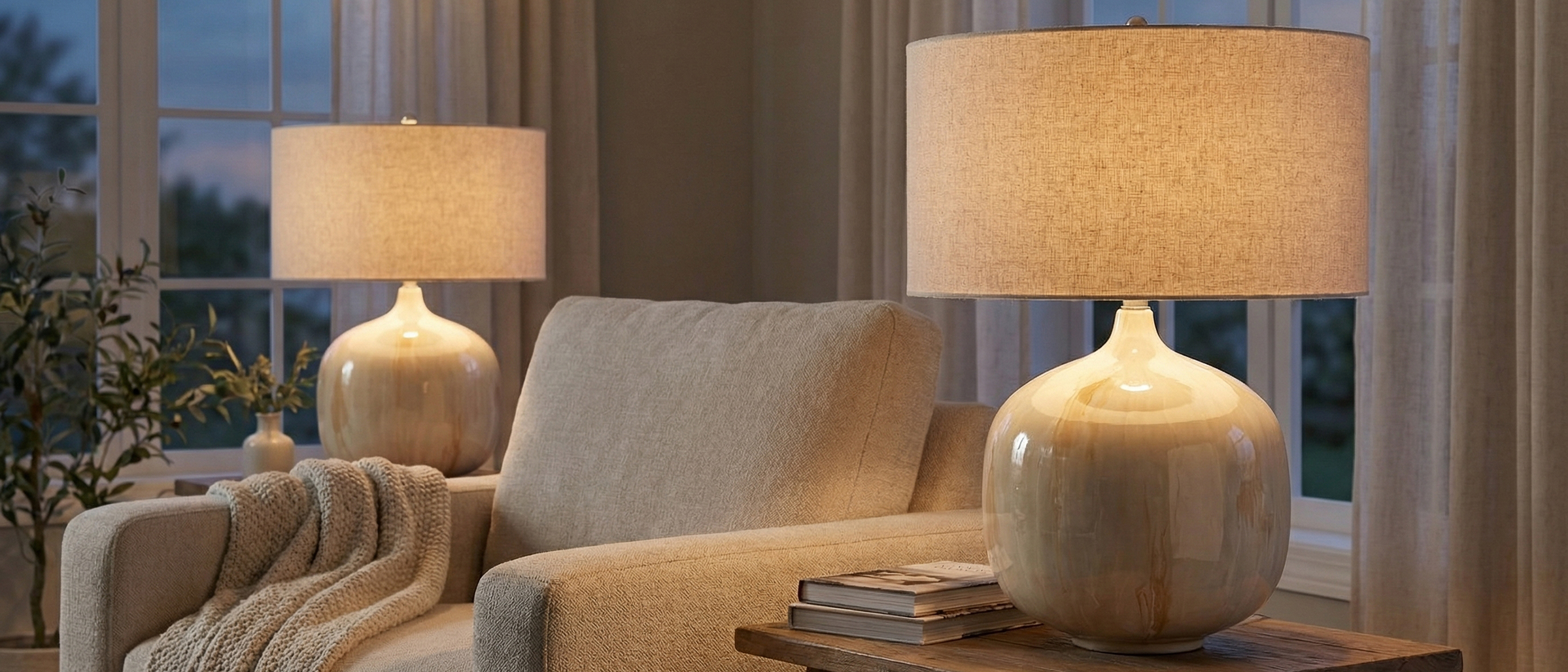
For spaces that receive less daylight, incorporating inspiring fixtures can enhance visual interest. For advice on sophisticated options, read about how to incorporate luxury lighting into modern home design.
Frequently Asked Questions About Home Design Daylight Lighting
How can I effectively measure the amount of daylight in my home?
Use a daylight meter or conduct a simple test by observing how light behaves at different times of the day in each room. Adjust your design based on these observations.
Are there any building regulations concerning window installation for daylight?
Yes, local building codes may dictate requirements for window sizes, placements, and energy efficiency. Always consult with a professional before making changes.
How does daylight affect interior color choices?
Light colors reflect daylight, making a room feel larger and more airy, while darker shades absorb light, creating intimacy. Choose colors that complement the amount of daylight your space receives.
In summary, optimizing home design daylight lighting is essential for creating inviting and efficient spaces. By implementing these strategies, you can harness the benefits of natural light while enhancing your home’s overall design.
For more on effective light management, explore our guide on the beacon in home lighting design, and dive deeper into the art of lighting in your spaces.