What Is Lighting Design at Home?
Lighting design at home involves strategically planning and selecting lighting fixtures to enhance the functionality and aesthetic appeal of your living space. Good lighting not only illuminates areas but also complements decor, highlights architectural features, and sets mood.
The Importance of Proper Lighting Design
– **Safety**: Well-lit areas reduce the risk of accidents. – **Mood Setting**: Different lighting can create a calming, energetic, or romantic atmosphere. – **Focus**: Direct light can highlight artwork or architectural details. – **Functionality**: Specific lighting can enhance tasks such as cooking, reading, or studying.
How to Choose the Right Lighting Fixtures
Choosing appropriate lighting fixtures starts with understanding the purpose of each space in your home. Consider the following:
1. Assess Your Space
– **Size of the room**: Larger rooms may require multiple fixtures or stronger lighting. – **Ceiling height**: Tall ceilings allow for pendants or chandeliers, while lower ceilings benefit from flush mounts.
2. Determine the Desired Ambiance
– For relaxation, utilize warm white bulbs. – Bright white bulbs work best in areas requiring focus and energy, such as kitchens or home offices.
3. Select Fixture Styles
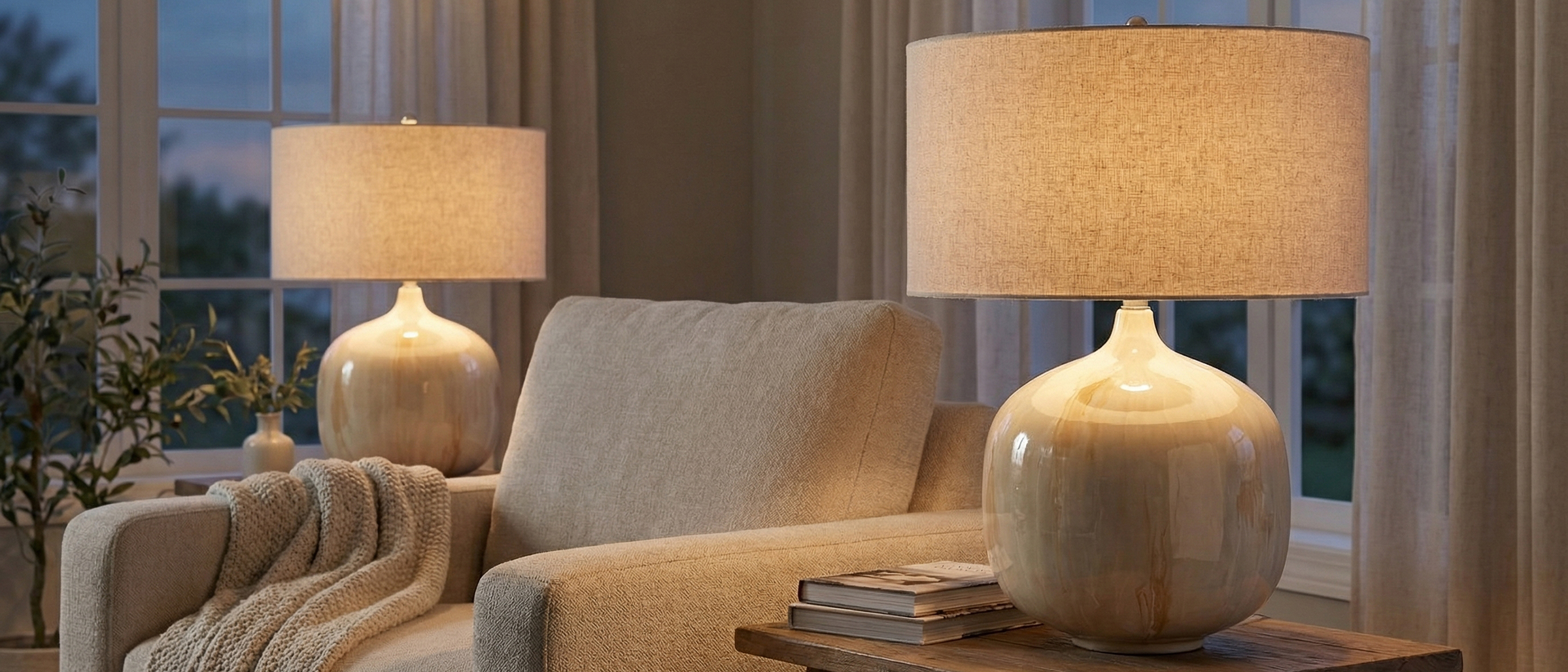
– **Ceiling Mounted**: Ideal for general lighting, these fixtures fit flat against the ceiling and are unobtrusive. – **Floor and Table Lamps**: These offer flexibility in placement and can provide accent or task lighting. – **Wall Sconces**: Great for hallways or creating layered lighting, wall sconces can add decorative elements to a room.
How to Effectively Design a Home Lighting Circuit for Your Spaces
Using a well-planned home lighting circuit can enhance your lighting design at home. Several steps guide this process:
1. Differentiate Between Types of Lighting
Incorporate ambient, task, and accent lighting to create a cohesive design.
2. Create Zones
Place lighting fixtures in zones based on your home’s layout and usage. Consider zone placement for living rooms, dining areas, and workspaces.
3. Plan for Dimmers
Dimmers allow for adaptable lighting, enabling users to adjust brightness levels based on time of day and activities.
Accessibility and Control
Consider smart lighting options with controls accessible via app or voice to enhance convenience in managing your circuits. For in-depth guidance on home lighting circuit design, visit our detailed article [here](https://www.sagebrookhome.com/blog/how-to-effectively-design-a-home-lighting-circuit-for-your-spaces/).
What Are the Best Practices for Home Ceiling Lighting Design?
Home ceiling lighting design plays a pivotal role in overall aesthetics.
1. Layer Your Ceiling Lights
Combine ambient lighting (overhead fixtures) with accent lighting (track lighting or recessed lights) to create versatile options.
2. Consider the Function of the Room
In spaces like kitchens and living rooms, utilize brighter overhead lights. In bedrooms, softer light promotes relaxation.
3. Follow Scale Rules
Choose fixtures that scale appropriately with the room’s size. Larger rooms can accommodate larger chandeliers while smaller spaces benefit from compact designs. Explore more about our ceiling lighting solutions [here](https://www.sagebrookhome.com/blog/how-to-achieve-effective-home-ceiling-lighting-design-for-any-room/).
How to Illuminate Multiple Rooms in Your Home Effectively
Creating cohesion through [current view lighting across multiple rooms](https://www.sagebrookhome.com/blog/current-view-lighting-multiple-rooms-home-designer-how-to-illuminate-your-home-effectively/) is essential for a harmonious home.
1. Consistent Style
Maintain a consistent lighting style throughout your home to create flow. Select fixtures that complement each other while being functional.
2. Continuous Fixture Types
Use similar types of fixtures, such as pendant lights or sconces, across different rooms for a unified look.
3. Consider Color Temperature
Using the same color temperature across spaces ensures a seamless transition.
Mastering Outdoor Home Lighting Design for Stunning Spaces
Outdoor lighting is just as vital in your overall lighting design at home as indoor fixtures.
1. Create a Welcoming Entrance
Use pathway lights to guide guests to your door safely.
2. Highlight Key Features
Strategically place lights to highlight architectural features or garden elements, enhancing nighttime appeal.
3. Ensure Safety
Bright lighting around outdoor seating and walkways increases safety and usability at night. Discover tips for achieving an outstanding outdoor home lighting design [here](https://www.sagebrookhome.com/blog/how-to-master-outdoor-home-lighting-design-for-stunning-spaces/).
Frequently Asked Questions
How can I improve lighting design at home cheaply?
– Use LED bulbs for energy efficiency. – Rearrange existing fixtures to optimize light distribution. – Add reflective surfaces to enhance brightness.
What types of lighting should I have in each room?
– Living Rooms: Ambient, accent, and task lighting. – Kitchens: Bright, focused task lighting as well as ambient lighting. By focusing on these principles of lighting design at home, you can create spaces that are not only functional but also visually appealing, making your home warm and inviting.