Light wood framing is a popular construction technique that directly influences the architectural style, functional space, and overall design aesthetics of a home. Understanding light wood framing and how it affects the design of home can provide essential insights for homeowners, architects, and designers alike. This article explores the implications of this framing method on various aspects of home design.
What Is Light Wood Framing?
Light wood framing, also known as platform framing, is a method in which the structural framework of a building is composed of relatively small, lightweight lumber. This approach contrasts with heavier building materials like steel or concrete. The primary components include:
- Studs: Vertical wooden members that form walls.
- Joists: Horizontal members that support floors and ceilings.
- Rafters: Sloped members supporting roofs.
Benefits of Using Light Wood Framing
This framing technique offers numerous benefits, including:
- Cost-Effectiveness: Lighter materials reduce labor and transportation costs.
- Energy Efficiency: Proper insulation can lead to reduced energy consumption.
- Design Flexibility: Achieve diverse architectural styles, from modern to traditional.
- Sustainability: Using renewable wood resources can minimize environmental impact.
How Does Light Wood Framing Affect Architectural Design?
Architects and designers appreciate how light wood framing influences various aspects of home design. Here’s how:
1. Space Planning and Layout
Light wood framing allows for larger open spaces compared to traditional building methods. This is possible due to:
- Longer Span Capabilities: This method can support wider rooms without internal load-bearing walls.
- Modular Designs: Easily implementable room layouts that offer better utilization of space.
2. Aesthetic Appeal
Using light wood in construction allows for richer textures and natural finishes:
- Visible Wood Features: Exposed beams and wooden finishes enhance visual interest.
- Customization: Various wood types and treatments tailor the design to personal tastes.
Impact on Interior Design
The choice of light wood framing also profoundly impacts interior design elements:
1. Lighting Considerations
Due to the flexibility of light wood framing, interior lighting design can flourish:
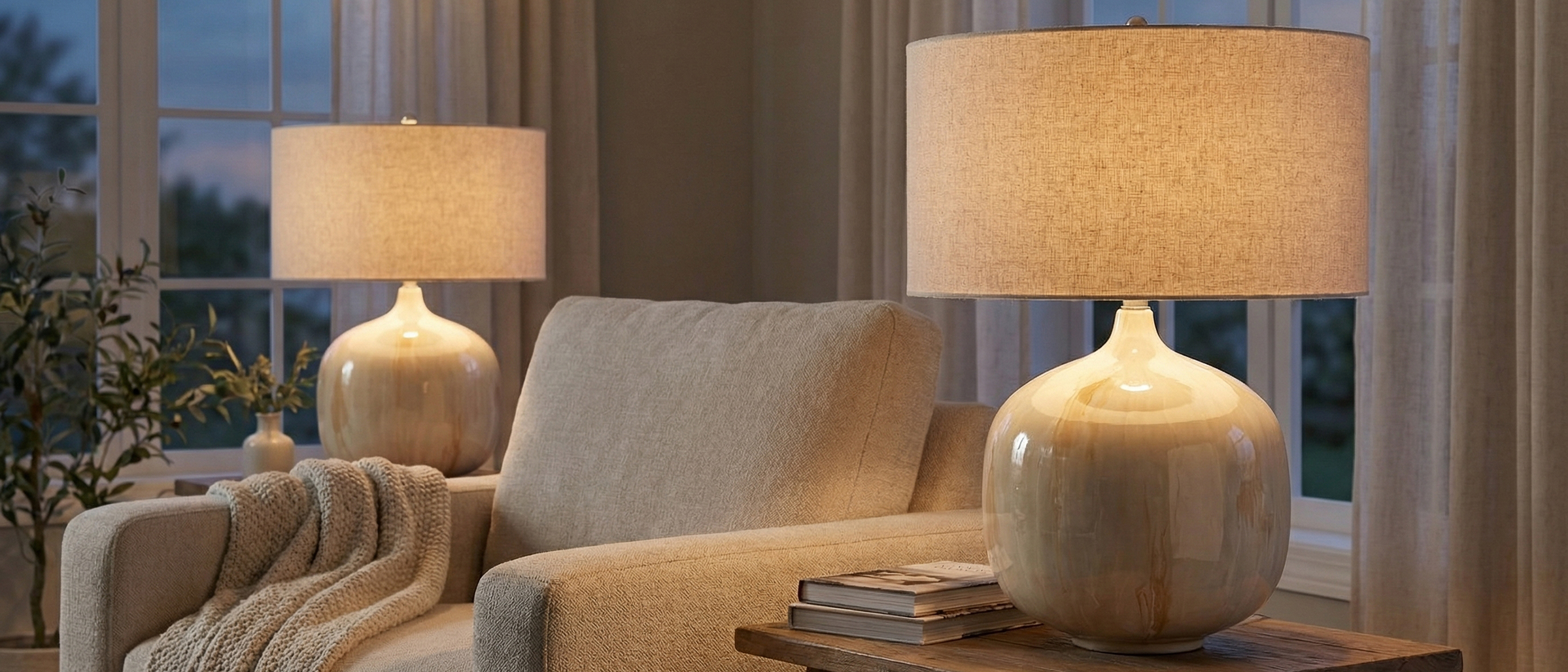
- Track Lighting: Incorporate contemporary home design track lighting to highlight architectural features.
- Natural Light: Position windows and openings efficiently to maximize sunlight.
2. Functional Spaces
Light wood framing allows the creation of multi-purpose rooms:
- Flexibility: Easily adapt rooms for multiple uses—home office, playroom, or guest space.
- Open Concept Designs: Facilitate layout preferences, such as combining living and dining areas.
Considerations for Homeowners
When opting for light wood framing, homeowners should keep several factors in mind:
1. Structural Integrity
Ensure that local builders and architects adhere to code requirements for safety and durability:
- Load-Bearing Walls: Properly design these to secure the home’s structure.
- Material Quality: Select high-quality wood to withstand varying weather conditions.
2. Aesthetic Integration
Choose interior accents and decorations that complement the natural wood tones:
- Home Accents: Consider pieces like the home accents decorative mist lamp to blend style and functionality.
- Textural Harmony: Mix materials that accentuate the warmth of wood, such as metal and textiles.
Frequently Asked Questions
How does light wood framing impact construction timelines?
Light wood framing generally leads to faster construction timelines due to the lightweight materials and simplified assembly processes.
Are there limitations to light wood framing?
Yes, light wood framing may not be suitable for certain areas with severe weather conditions or where high structural loads exist.
Can light wood framing support modern architectural trends?
Absolutely! The flexibility and adaptability of light wood framing make it ideal for contemporary design trends, including open-concept layouts.
Conclusion
In summary, understanding light wood framing and how it affects the design of home is vital for anyone involved in building or renovating residential spaces. From aesthetic appeal to functional layouts, this construction method offers diverse advantages that can be tailored to meet individual preferences and needs.