Why Is Lighting Design Critical for Your Home Office?
When working from home, the importance of lighting design for home office cannot be overstated. Proper lighting can affect your mood, productivity, and even eye health. Inadequate lighting often leads to discomfort, fatigue, and decreased focus. Here are several reasons why it’s essential to invest in thoughtful lighting design for your workspace:
- Enhances Eye Comfort: Proper lighting reduces glare and minimizes eye strain, making your work hours more enjoyable.
- Boosts Productivity: Well-lit spaces can significantly improve your focus and efficiency, leading to better performance.
- Affects Mood: The right lighting can create a positive atmosphere that enhances creativity and motivation.
What Types of Lighting Should You Consider?
To achieve effective lighting design, it’s important to incorporate a mix of different types of lighting. Here are three main categories to consider:
1. Ambient Lighting
Ambient lighting serves as the primary source of illumination in a room. It creates a uniform level of brightness that allows you to perform everyday tasks comfortably. Options for ambient lighting include:
- Ceiling-mounted fixtures
- Chandeliers
- Recessed lighting
2. Task Lighting
Task lighting is crucial for areas where specific activities are performed, such as reading or writing. This type of lighting provides concentrated illumination, reducing the risk of strain. Good examples of task lighting include:
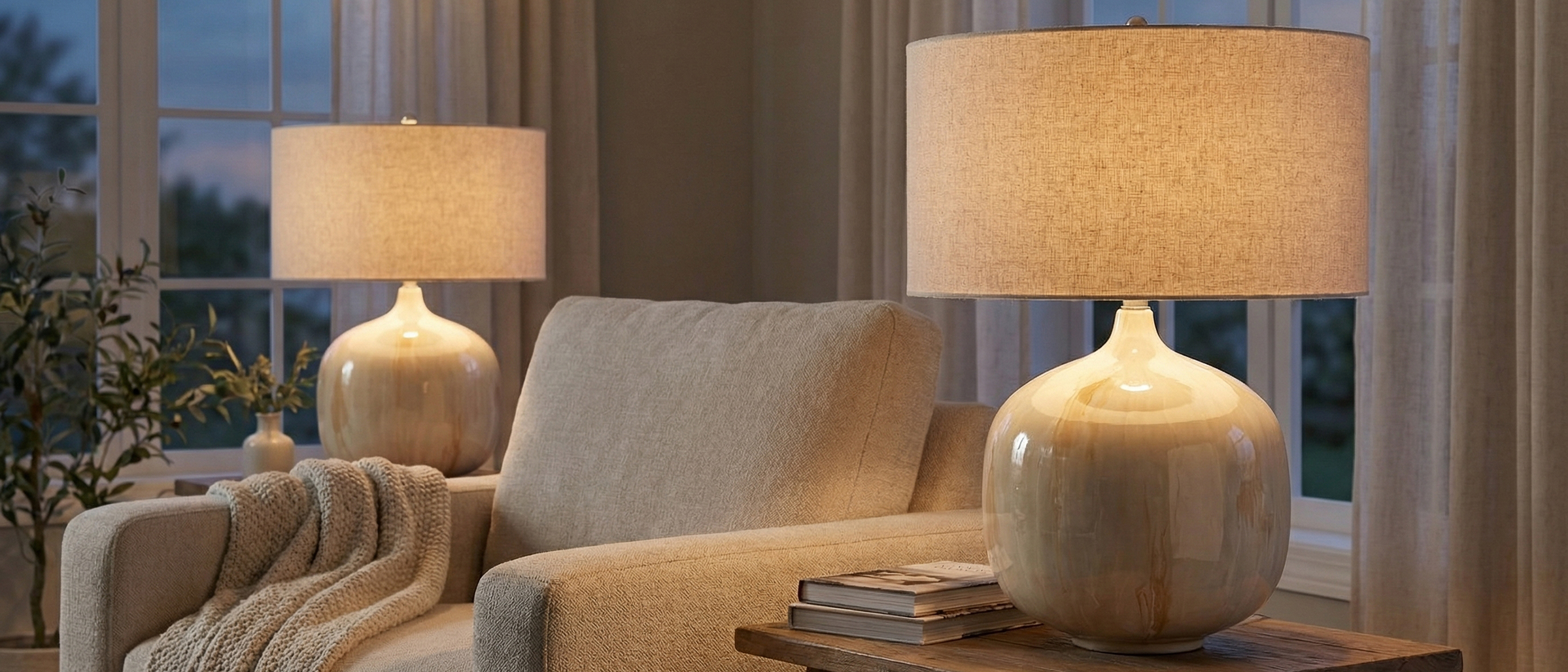
- Desks lamps
- Wall-mounted sconces
- Adjustable floor lamps
3. Accent Lighting
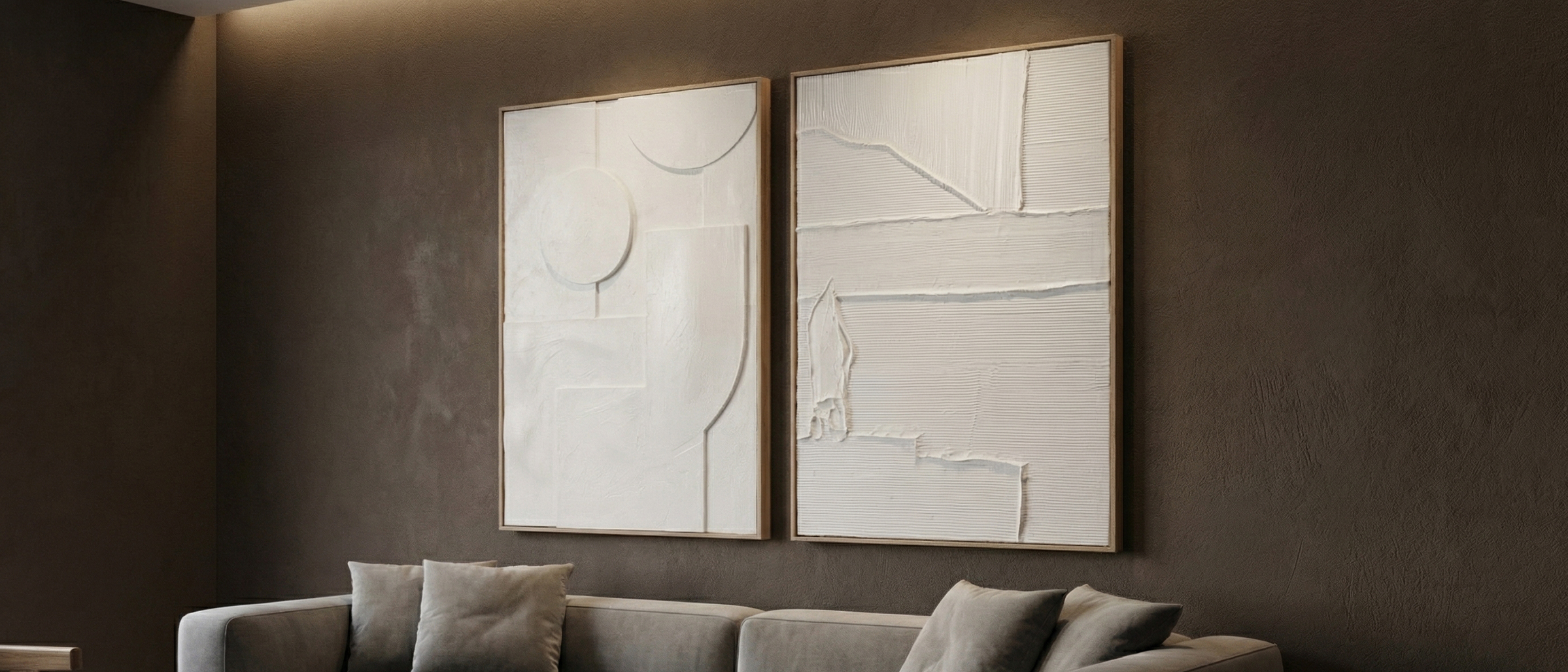
Accent lighting serves to highlight specific areas or features within your office space, promoting an engaging and visually appealing environment. Consider using:
- LED strip lights
- Display cases with built-in lighting
- Art wall lights
How to Combine Different Lighting Types Effectively?
Combining ambient, task, and accent lighting will create a balanced and functional workspace. Here are some key strategies for integrating these lighting types:
- Layer Your Lighting: Use a mix of ambient and task lighting to cater to different activities in your home office.
- Consider Light Placement: Position task lights close to work surfaces and ensure ambient light covers the entire space.
- Adjust Brightness Levels: Use dimmable fixtures to adapt the lighting to your specific needs at different times of the day.
What Color Temperature Should You Choose?
The color temperature of your lights significantly affects the ambiance of your home office. Different temperatures create unique environments:
- Warm White (2700K-3000K): Ideal for relaxed spaces but may not be suitable as the primary light source for work.
- Cool White (3500K-4100K): Best for workspaces as it enhances focus while creating a clean, modern atmosphere.
- Daylight (5000K-6500K): Offers bright illumination similar to natural sunlight, which can boost productivity.
How Can You Control Your Home Office Lighting?
Effective control over your lighting can further enhance the functionality and atmosphere of your office space. For detailed insights, check our guide on home lighting control system design.
What Are Some Common Mistakes to Avoid?
When designing your lighting, it’s easy to overlook some crucial factors. Avoid these common mistakes:
- Ignoring Natural Light: Maximize daylight by positioning your desk near windows and using complimentary light fixtures.
- Choosing Inadequate Brightness: Ensure all areas of your office are well-lit to avoid any dark corners.
- Neglecting Adjustability: Consider adjustable lighting solutions that can be modified according to the time of day or activity.
FAQs About Lighting Design for Home Office
How can I improve lighting in my home office?
To enhance lighting, incorporate a combination of ambient, task, and accent lighting. Utilize adjustable fixtures and optimize for natural light.
What is the best light for a home office?
Cool white or daylight bulbs are generally the best as they mimic natural light, promoting better focus and productivity.
Are there specific styles of light fixtures recommended for home offices?
Modern desk lamps, stylish overhead lights, and LED fixtures can offer both functionality and aesthetic appeal for a home office.
For more sophisticated lighting ideas, explore our post on luxury lighting for home design.
In summary, lighting design for your home office plays a pivotal role in productivity and well-being. By considering various lighting types, control mechanisms, and avoiding common pitfalls, you can create an inviting workspace that enhances your professional activities.