What Is Lighting Design for Home Owners and Why Is It Important?
Lighting design for home owners is a practical approach to arranging and selecting lighting in your living spaces. Proper lighting not only enhances aesthetics but also improves functionality, ambiance, and overall comfort in your home. The right lighting can create a welcoming environment, highlight design features, and significantly influence mood and productivity.
What Are the Main Types of Lighting to Consider?
Understanding the different types of lighting is fundamental in achieving effective lighting design. Here are the three primary categories:
- Ambient Lighting: This is the general illumination that provides overall brightness to a room. Common sources include ceiling fixtures and chandeliers.
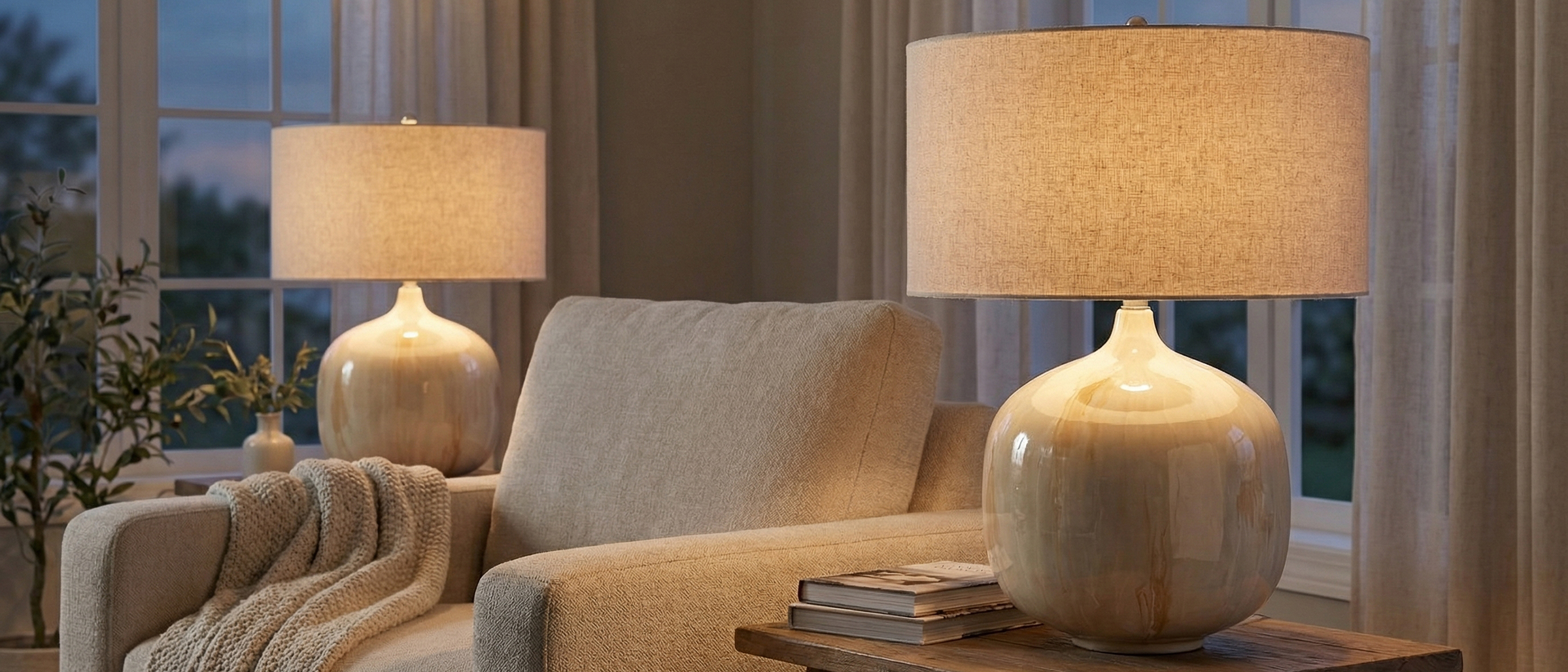
- Task Lighting: Task lighting is focused illumination aimed at specific areas for activities such as reading, cooking, or working. Examples include desk lamps and under-cabinet lights.
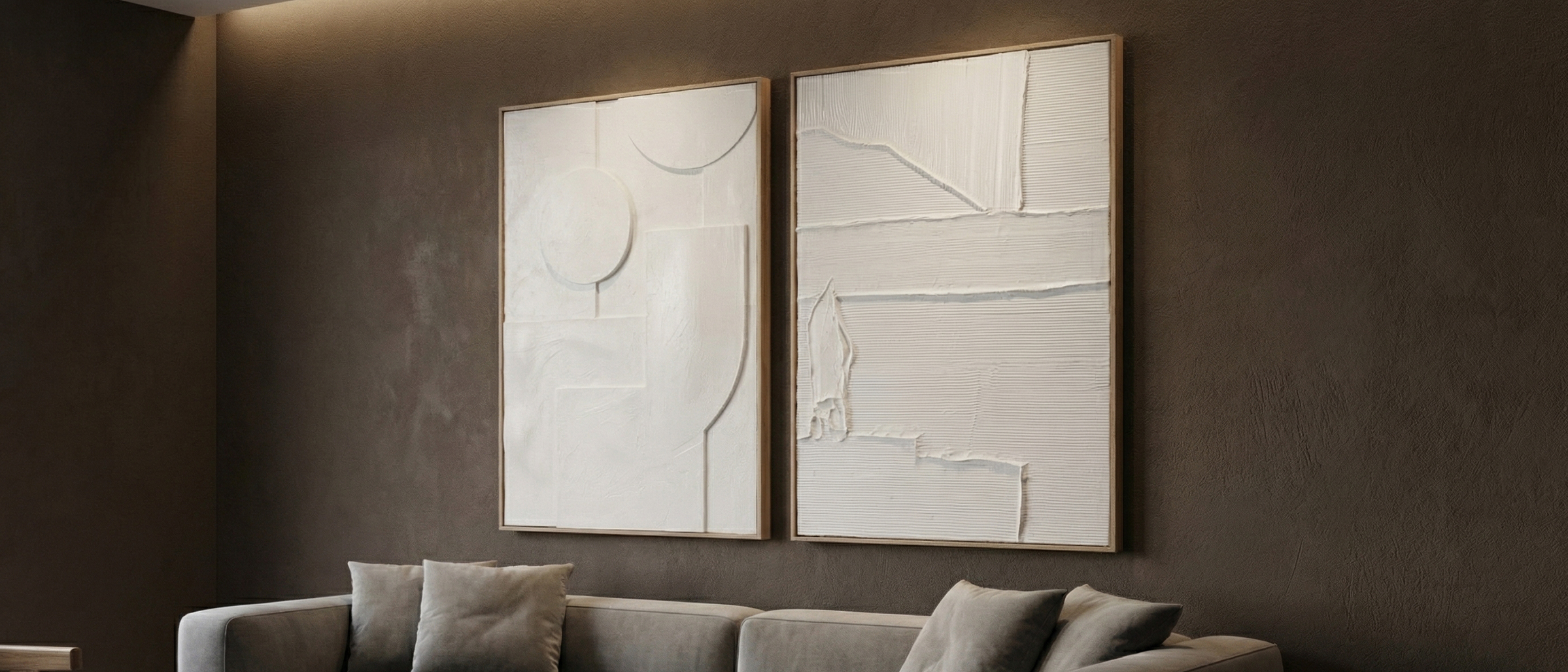
- Accent Lighting: Used to highlight particular features, accent lighting includes spotlights and wall-mounted fixtures designed to draw attention to artwork or architectural details.
How to Choose the Right Lighting for Each Room?
Designing lighting for various spaces requires an understanding of the room’s purpose and the mood you want to set. Here’s a guide:
- Kitchen: Combine ambient lighting with task lighting to create a bright, functional space. Pendant lights over islands and under-cabinet lights are excellent choices.
- Living Room: Use a mix of ambient and accent lighting. Floor lamps and wall sconces can add warmth and depth.
- Bedroom: Soothing ambient lighting can be enhanced with task lighting for reading. Consider bedside lamps with adjustable brightness.
- Bathroom: Ensure bright, even lighting that minimizes shadows, especially around mirrors. Wall sconces alongside mirrors work well here.
What Are the Benefits of Good Lighting Design?
Investing time and effort into the lighting design of your home can lead to numerous advantages:
- Enhanced Aesthetics: Well-planned lighting can highlight design features and create visual interest throughout your space.
- Improved Energy Efficiency: Modern lighting options, such as LED fixtures, consume less electricity, reducing energy bills and environmental impact.
- Increased Property Value: Thoughtful lighting solutions can make your home more appealing to potential buyers, increasing its market value.
- Better Mood and Productivity: Proper lighting positively affects mental well-being. Natural light, in particular, can boost energy and mood levels.
How Can You Incorporate New Lighting Design Ideas?
Staying updated on trends will help ensure your lighting design feels fresh and contemporary. Here are some innovative options:
- Smart Lighting Solutions: Integrating smart bulbs and fixtures allows you to control brightness and color via smartphone apps.
- Layered Lighting: Combine different types of lighting within a space to achieve a dynamic and flexible environment.
- Statement Fixtures: Unique chandeliers or oversized pendant lights can serve as focal points in any room.
- Natural Lighting: Maximize the use of windows and skylights to harness daylight, which is both functional and uplifting.
What Should You Avoid in Lighting Design?
There are common pitfalls in lighting design that you should steer clear of:
- Overly Harsh Lighting: Bright, glaring lights can create discomfort. Always opt for a softer brightness where possible.
- Neglecting Dimmer Switches: These can significantly enhance ambiance by allowing you to adjust lighting based on the occasion.
- Inconsistent Light Levels: Ensure a balanced light distribution to avoid dark corners or overly bright spots within a room.
Frequently Asked Questions About Lighting Design for Home Owners
What factors should I consider when planning my lighting design?
Consider the purpose of each room, the natural light available, and the features you want to highlight. Take into account the style of your home as well.
How can I improve energy efficiency with my lighting choices?
Opt for LED lighting options and incorporate smart lighting solutions that allow for automation. This helps in reducing energy consumption.
Where can I learn more about designing light for home spaces?
Explore this detailed guide on designing light for home for more insights and practical tips.
How do modern home lighting designs differ from traditional designs?
Modern designs often focus on minimalism and functionality, integrating smart technology, while traditional designs may emphasize ornate fixtures and softer lighting.
As you explore lighting design for home owners, remember that the perfect combination of style, functionality, and efficiency can significantly enhance your living environment.
For more innovative concepts in lighting design, check out our latest offerings on new design light for home.