Why Use Mirrors In Home Design To Create Light?
Mirrors are not just decorative pieces; they serve a functional purpose in home design to create light. By reflecting natural and artificial light, mirrors can significantly brighten up a space, making it appear larger and more inviting. This article will explore various ways to effectively incorporate mirrors into your home design, focusing particularly on how they can enhance light in your rooms.
How Do Mirrors Affect Natural Light?
Incorporating mirrors into home design can maximize the use of natural light. Here are some effective strategies:
- Placement: Position mirrors across from windows to bounce light back into the room.
- Size: Larger mirrors can capture more light, providing a greater effect than smaller ones.
- Angle: Tilt mirrors at angles that facilitate the best reflection of light into darker corners.
Benefits of Using Mirrors to Enhance Natural Light
- Creates an illusion of space, making smaller rooms feel larger.
- Enhances the brightness of a room without additional electrical lighting.
- Can add aesthetic appeal and style to any space.
What Types of Mirrors Are Best For Creating Light?
When selecting mirrors to create light in home design, consider the following types:
- Wall Mirrors: Large, flat wall mirrors are excellent for reflecting daylight, especially in living rooms and entryways.
- Accent Mirrors: Small decorative mirrors can be used in clusters to reflect light while serving as decorative elements.
- Mirrored Furniture: Items like coffee tables or dressers with mirrored surfaces can subtly increase light levels.
Where to Place Mirrors for Maximum Effect?
Strategic placement is essential when using mirrors in home design to create light. Here are some optimal locations:
- Entryways: A mirror in the entryway can enhance first impressions and increase light.
- Living Rooms: Placing a large mirror opposite a window can double the light coming into the room.
- Hallways: Using mirrors in hallways can brighten long, narrow spaces and provide depth.
How to Combine Mirrors with Lighting Fixtures?
Combining mirrors with lighting fixtures can amplify light reflection further. Consider these tips:
- Wall Sconces: Place sconces on either side of a mirror to direct light toward it, enhancing the reflection.
- Chandeliers: Position mirrors near chandeliers to reflect and amplify light throughout the room.
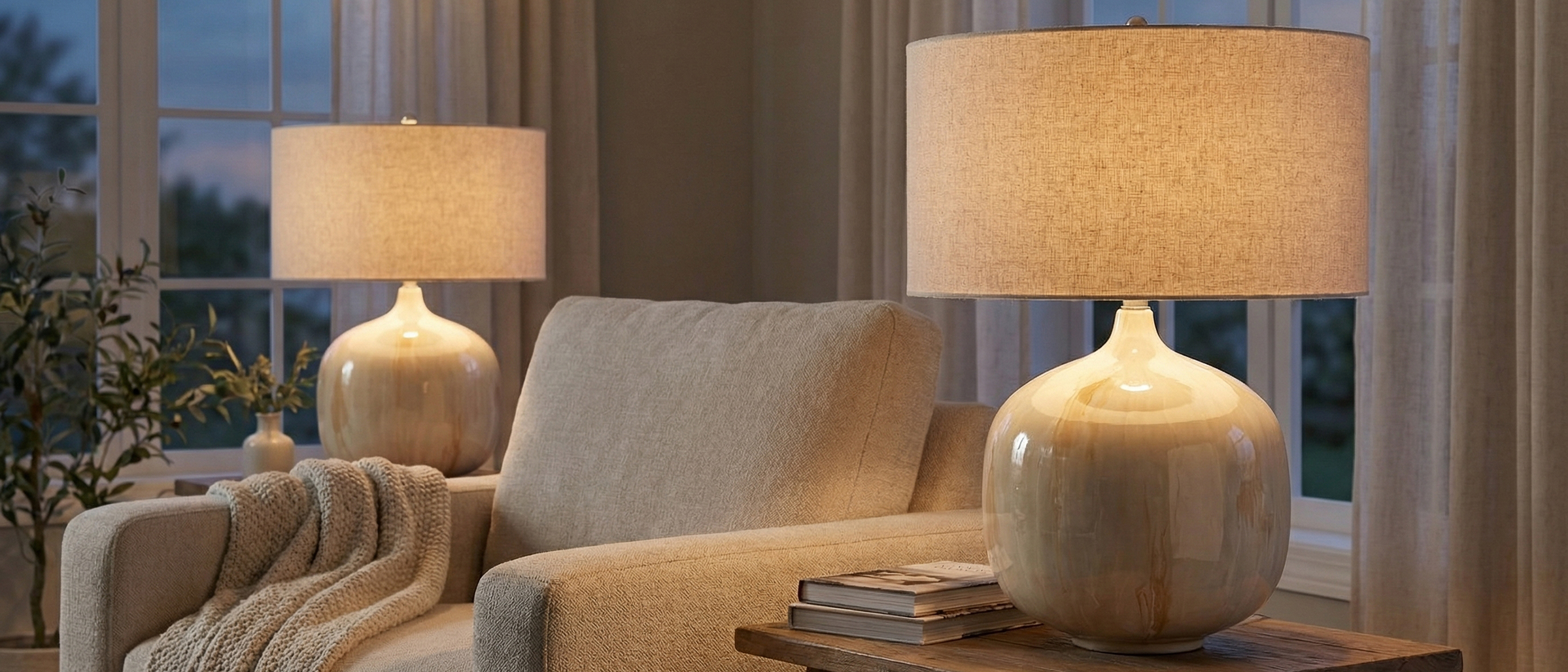
- Table Lamps: Set up lamps on surfaces close to mirrors for an added glow effect.
Can Mirrors Enhance Home Design Light Walls?
Yes, mirrors can significantly improve the effect of home design light walls. Light-colored paints reflect light, and when combined with mirrors, they can make a room feel more spacious and bright. For tips on using color in your space, check out our article on home design light walls.
How to Incorporate Mirrors into Your Home Lighting Design?
Incorporating mirrors into your overall home lighting design can be straightforward:
- Evaluate the existing lighting sources in your rooms.
- Choose the right mirrors based on your space and lighting needs.
- Plan placements around light sources to maximize the reflective quality of the materials.
- Consider integrating mirrors with your home lighting design for synergy.
FAQ: Mirrors In Home Design To Create Light
Do Mirrors Really Increase Brightness in A Room?
Yes, mirrors reflect light, which can brighten any space significantly.
Can Mirrors Help Make A Small Room Look Bigger?
Absolutely! Strategically placed mirrors can create an illusion of depth and space, making small areas feel larger.
What Is The Best Color for Walls When Using Mirrors?
Light colors enhance brightness. Soft whites, creams, and pastels work harmoniously with mirrors to amplify the effect of light.
Are There Specific Rooms Where Mirrors Work Best?
While mirrors can enhance light in almost any space, they work particularly well in living rooms, dining areas, and entryways where natural light is abundant.
By understanding how to implement mirrors in home design to create light effectively, you can enhance both the aesthetics and functionality of your living spaces. Consider experimenting with different types, placements, and combinations to find the perfect setup for your home.
For additional tips on how to effectively use lighting in your space, explore more on our page about home lighting design application. You can also check ideas for home accents decorations to complement your design.
Incorporating mirrors into your home design is not only functional but can also be a beautiful way to create a well-lit, inviting environment.