What Is Home Lighting Design?
Home lighting design is the thoughtful arrangement and selection of lighting fixtures to create functional, aesthetically pleasing, and efficient illumination in a living space. The primary goal of this design is to enhance the overall ambiance of your home while meeting specific lighting needs in different areas.
Why Is Home Lighting Design Important?
A well-thought-out home lighting design can:
- Improve visibility in key areas.
- Set the mood and enhance the decor.
- Increase energy efficiency and lower utility costs.
- Highlight architectural features and artwork.
- Provide safety through adequate lighting in high-traffic areas.
What Does a Home Lighting Design Do for Different Areas?
Various spaces in a home have unique lighting requirements. Here’s how home lighting design can benefit specific areas:
Living Rooms and Common Areas
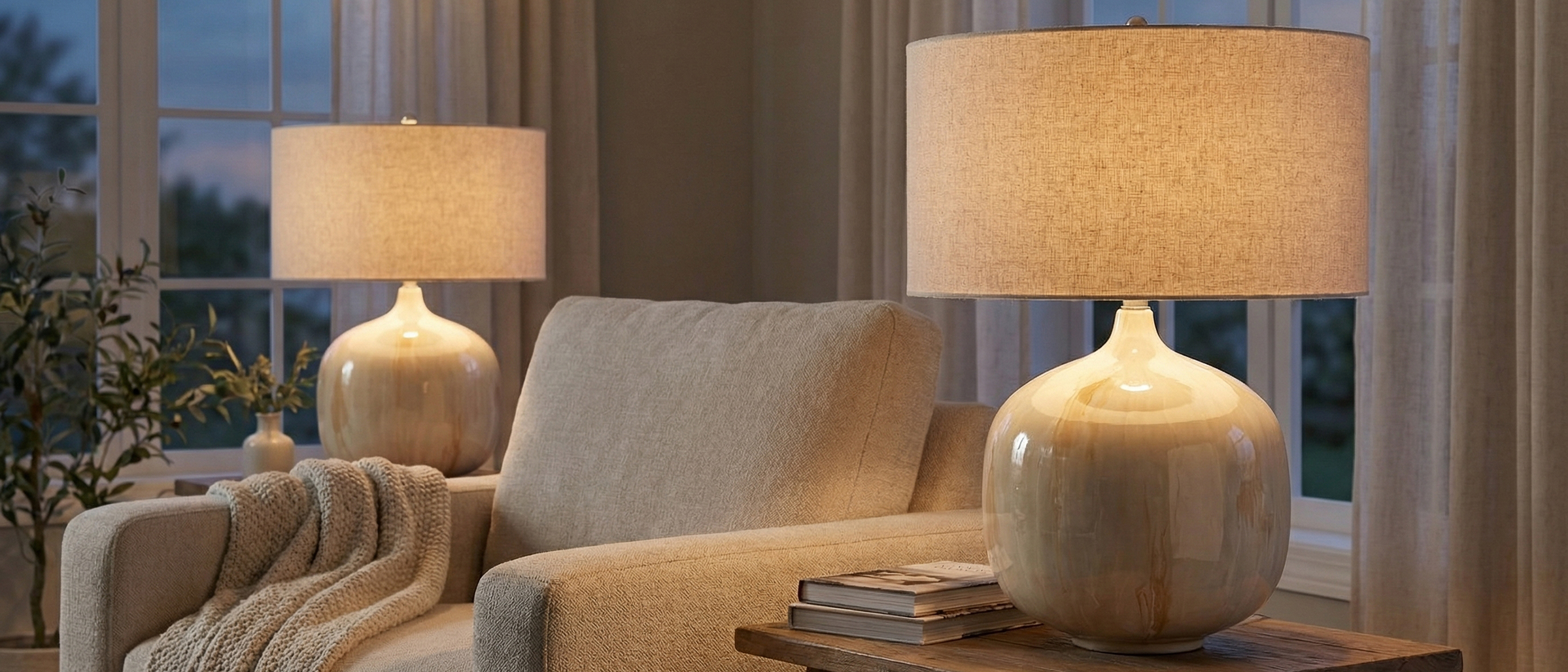
In living rooms, lighting design focuses on creating a warm and inviting atmosphere. Layered lighting—using ambient, task, and accent lighting—ensures functionality and comfort. You might consider options like floor lamps and wall sconces to achieve this balance. For more ideas, check out our guide on simple lighting design for home.
Kitchens
In kitchens, lighting must be bright enough for cooking while also providing a cozy vibe for family gatherings. Strategic placement of under-cabinet lights and pendant fixtures can enhance functionality. For detailed advice, explore our post on lighting design for home kitchen island.
Bedrooms
In bedrooms, soft lighting promotes relaxation and comfort. Dimmers can be useful, allowing you to adjust the light intensity depending on your needs. Nightstands equipped with task lighting create a perfect reading nook.
Bathrooms
Bathrooms require well-distributed lighting that minimizes shadows. Incorporating bright vanity lights and overhead fixtures creates a functional grooming space. You may find it beneficial to consult home renovation lighting designers for tailored solutions. Learn more about this by visiting home renovation lighting designers.
Steps to Effective Home Lighting Design
Creating a successful home lighting design involves a multi-step approach:
- Assess Your Space: Identify each room’s purpose and current lighting inadequacies.
- Determine Lighting Types: Decide on ambient, task, and accent lighting suitable for each area.
- Choose Fixtures: Select the right fixtures that complement your overall home decor and suit the specific functions.
- Plan Layout: Work out the placement for light fixtures, ensuring adequate coverage without excessive glare.
- Incorporate Dimmers: Use dimmers to adjust lighting intensity based on different times of the day and activities.
- Evaluate Efficiency: Consider energy-efficient lighting solutions to reduce costs and environmental impact.
How Can Home Lighting Design Influence Energy Efficiency?
Good home lighting design not only enhances aesthetics but also improves energy efficiency. Using LED lights, for instance, can significantly lower energy consumption compared to traditional incandescent bulbs. Furthermore, integrating smart lighting systems can enable homeowners to control lighting remotely and optimize usage based on real-time needs.
FAQs about Home Lighting Design
What are the main types of lighting used in home design?
The three main types of lighting are:
- Ambient Lighting: General illumination for the overall space.
- Task Lighting: Directed light for specific tasks like reading or cooking.
- Accent Lighting: Decorative lighting used to highlight artwork or architectural features.
How does lighting affect mood?
Lighting can significantly influence mood and create different atmospheres. Bright, cool lighting boosts alertness, making it ideal for workspaces, while soft, warm lighting fosters a relaxing environment, making it perfect for living spaces.
What mistakes should I avoid in home lighting design?
Common mistakes include:
- Relying solely on overhead lighting.
- Neglecting to layer lighting types.
- Ignoring the importance of dimmers.
- Choosing fixtures that are too large or too small for the space.
Conclusion
Understanding what home lighting design does offers numerous benefits, from enhancing visual appeal to maximizing functionality. By carefully selecting and positioning lighting, you’ll not only illuminate your home but also accentuate its best features.