


Home room light design is an essential aspect of creating a functional and inviting atmosphere in your home. Effective lighting can enhance the aesthetic appeal of a room, improve mood, and make everyday activities more enjoyable. Understanding the principles of light design is key to achieving an optimal balance between functionality and ambiance. Here, we will explore the key elements of home room light design, practical tips for implementation, and how different types of lighting can be effectively utilized.
What Are the Key Principles of Home Room Light Design?
Mastering home room light design involves adhering to several fundamental principles:
- Layering Light – Combine different light sources to achieve a well-rounded lighting scheme.
- Functionality – Ensure that lighting meets the specific needs of the room.
- Ambiance – Create mood with varying intensities and colors of light.
- Distribution – Strategically place light sources to avoid harsh shadows and glare.
How to Choose the Right Types of Lighting?
In home room light design, different types of lighting serve unique purposes. Familiarize yourself with the three main categories:
1. Ambient Lighting
This is the primary source of light in a room. It provides a comfortable level of brightness for general use. Common ambient lighting options include:
- Ceiling-mounted fixtures
- Recessed lighting
- Chandeliers
2. Task Lighting
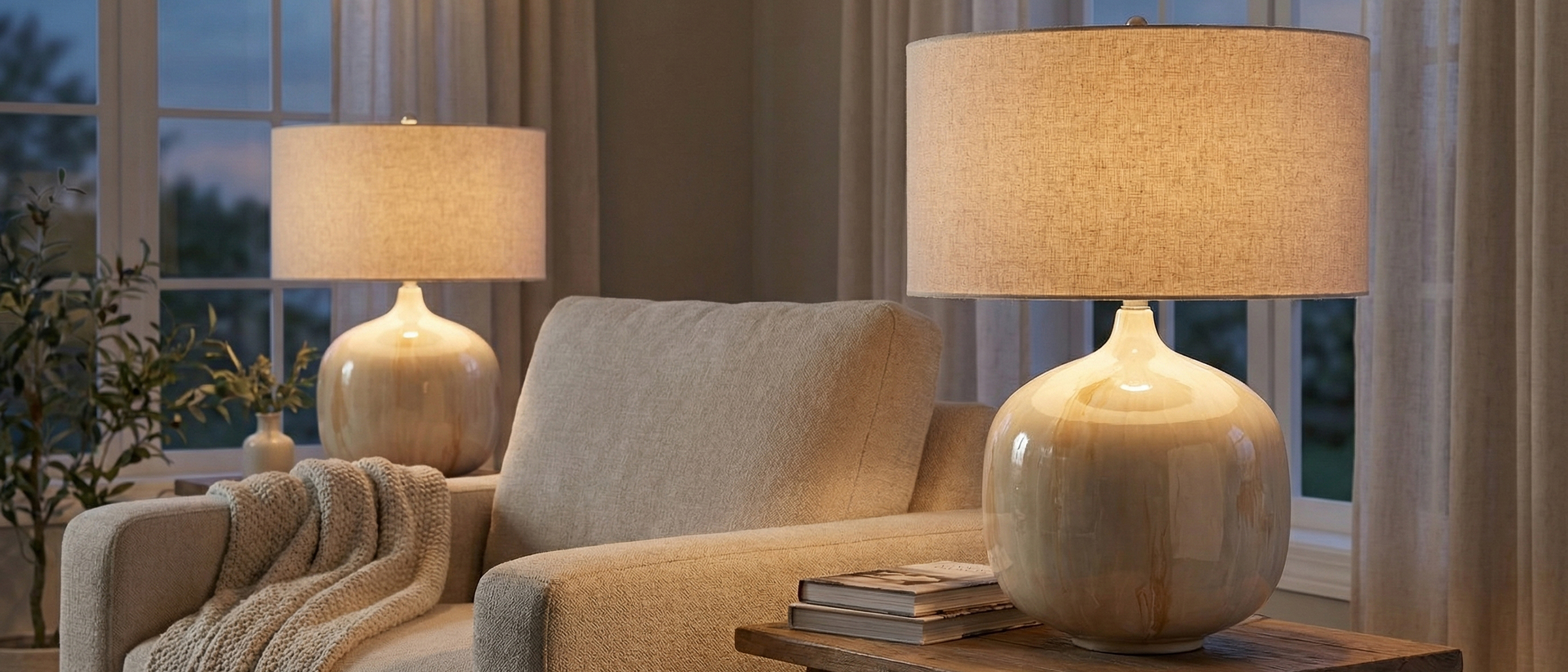
Task lighting is focused and bright, designed to illuminate specific areas where activities take place. It’s essential for kitchens, reading nooks, or home offices. Popular task lighting solutions include:
- Desk lamps
- Under-cabinet lighting
- Reading lights
3. Accent Lighting
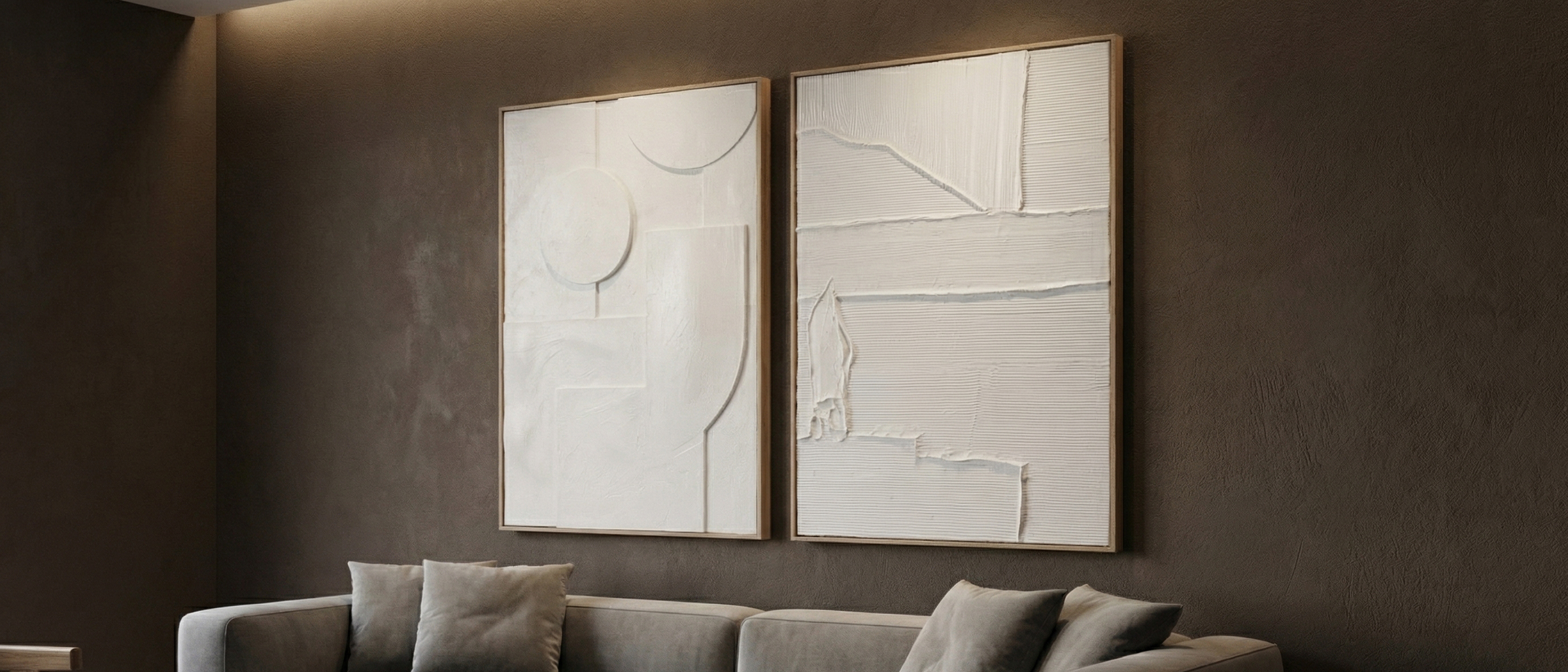
Accent lighting highlights specific features in a room, such as artwork or architectural details. It adds depth and interest. Consider these accent lighting ideas:
- Track lighting
- Wall sconces
- Spotlights
What Are the Benefits of Custom Lighting Design for Homes?
Custom lighting design allows you to enhance your home’s character and tailor the functionality to your specific needs. By investing in custom lighting design for homes, you can achieve:
- Uniqueness in style and functionality
- Improved energy efficiency with well-planned placement
- Better mood enhancement through personalized ambiance
How to Integrate Natural and Artificial Light?
Home design of light studio emphasizes the balance between natural and artificial light. Follow these steps to maximize both:
- Identify natural light sources, like windows and skylights.
- Use sheer curtains to allow natural light while maintaining privacy.
- Complement daylight with artificial lighting that supports the room’s use.
What Are the Tips for Outdoor Home Landscape Lighting Design?
Outdoor lighting enhances not only the aesthetic of your landscape but also the safety of your home. Consider these tips from our comprehensive guide to outdoor home landscape lighting design:
- Use pathway lights to guide visitors safely.
- Highlight landscaping features like trees or flowers with spotlights.
- Incorporate ambient outdoor lighting using string lights or lanterns.
What Should You Consider When Selecting Light Fixtures?
When choosing light fixtures for your home room light design, keep in mind the following:
- Style – Ensure that fixtures match the room’s décor.
- Size – Choose appropriately scaled fixtures that complement the space.
- Energy efficiency – Consider LED options for cost-effectiveness and longevity.
How to Determine the Best Lighting for Your Specific Room?
Each room in your home has unique lighting needs. Here’s how to tailor your approach:
- Living Room: Use a mix of ambient, task, and accent lighting to create a cozy environment.
- Kitchen: Implement bright task lighting for food prep and ambient lighting for dining.
- Bedroom: Layer soft ambient light with accent lighting for reading.
Frequently Asked Questions About Home Room Light Design
What is the best way to layer lighting in a room?
The best approach is to combine ambient, task, and accent lighting so that each layer complements the other. Start with the ambient layer, then add task lighting where necessary, and finish with accent lights to highlight features.
How can I make my small room feel larger with lighting?
To create the illusion of space, use bright, well-distributed lighting. Mirrors can also amplify light and create depth.
Can lighting impact mood?
Absolutely. The type and intensity of lighting can significantly influence your mood. Warmer tones tend to create a cozy atmosphere, while cooler tones can enhance focus.
Mastering home room light design can dramatically improve the functionality and ambiance of your living spaces. Whether you seek to make a bold statement or simply need practical lighting solutions, the right approach will help you achieve the desired result.