


What Is the Importance of Lighting in Home Design?
Lighting is a critical element of home design that influences mood, functionality, and aesthetics. Properly designed lighting can enhance the architectural features of a room, highlight decor, and create a welcoming environment. The home lighting design serves a dual purpose: it provides practical illumination while complementing the overall design of your space.
How to Choose Lighting for Different Areas of Your Home?
Each room in your home has unique lighting needs based on activities and design. Here’s how to tailor your lighting choices effectively:
1. Living Room
- Use layered lighting to create depth. Combine ambient, task, and accent lighting.
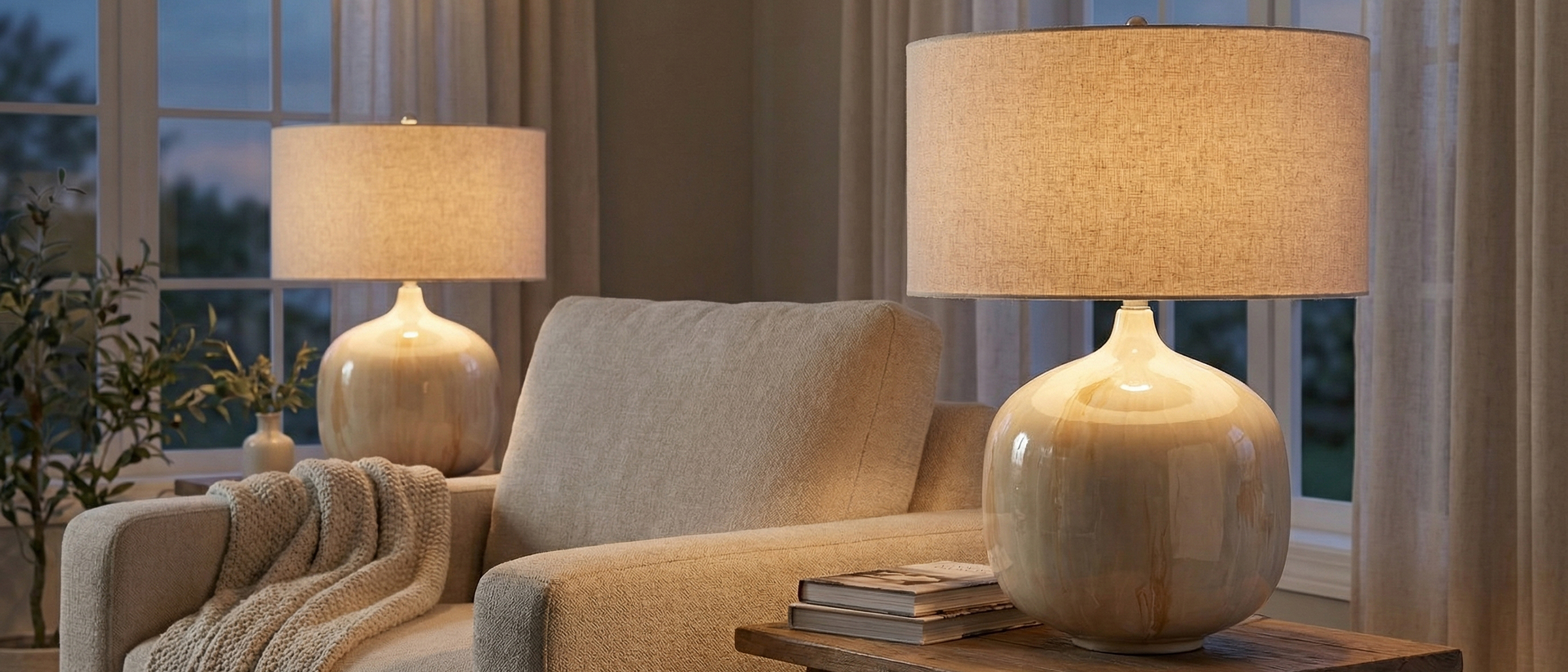
- Consider floor lamps and table lamps for flexible options.
- Incorporate dimmers for adjustable brightness suited to various occasions.
2. Kitchen
- Utilize under-cabinet lighting to illuminate workspace effectively.
- Install pendant lights over islands for both function and style.
- Ensure overhead fixtures provide ample illumination for cooking and prep.
3. Home Office
- Incorporate desk lamps that reduce glare and promote productivity.
- Combine natural light with artificial lighting to maintain energy levels.
- Consider using design light for home office methods for optimal results.
4. Bedroom
- Choose soft lighting fixtures for a calming atmosphere.
- Use bedside lamps for reading without disturbing others.
- Incorporate dimmable options for varied moods throughout the day.
What Are the Different Types of Lighting Fixtures?
- Chandeliers: Perfect for adding drama and elegance in living rooms or dining areas.
- Pendant Lights: Versatile fixtures suitable for kitchens and entryways.
- Wall Sconces: Great for accent lighting or adding ambient light to hallways.
- Recessed Lighting: Ideal for a sleek and modern look, providing unobtrusive illumination.
- Table and Floor Lamps: Offer flexibility and can easily adapt to any room’s design.
How to Utilize Natural Light in Your Home Design?
Utilizing natural light not only enhances the ambiance but also saves energy costs. Here are some tips:
- Opt for sheer curtains to maximize light while maintaining privacy.
- Position mirrors strategically to reflect natural light throughout your space.
- Keep windows clean and unobstructed to allow maximum sunlight in.
How to Incorporate Sustainable Lighting Options?
Incorporating energy-efficient lighting solutions can reduce ecological footprints:
- Choose LED lights as they consume less energy and have a longer lifespan.
- Consider smart lighting solutions that allow you to control brightness and schedule usage.
- Explore solar-powered outdoor lighting options to enhance your exterior spaces sustainably.
What Should You Consider When Arranging Your Lighting?
Proper arrangement can make a significant difference:
- Assess the size of the room and its ceiling height when selecting fixtures.
- Keep in mind the balance of light sources to avoid creating shadows or overly bright areas.
- Pay attention to light color temperatures to match the mood: warm tones for comfort and cool tones for focus.
Frequently Asked Questions About Lighting Design
What is the best lighting for small spaces?
For small spaces, opt for streamlined fixtures and maximize natural light. Mirrors can help reflect light, making the space feel larger.
How can I create ambiance with lighting?
Layered lighting combined with dimmers allows you to create inviting atmospheres suitable for various activities and moods.
What role does color temperature play in lighting design?
Color temperature affects the ambiance; warmer hues create a cozy feeling, while cooler tones enhance focus and clarity, especially in workspaces.
By following this lighting home design guide, you can create beautiful and functional spaces that resonate with your lifestyle. For inspiration, check out our blog on home ceiling lights design and discover how to illuminate your interiors effectively. Embrace the versatility of lighting design for home and make every corner of your home shine!