


What Are Effective Home Interior Lighting Design Ideas?
Home interior lighting design ideas encompass the strategies and techniques used to enhance a space using light. Thoughtful lighting can influence mood, highlight decor, and provide practical illumination. To create a well-lit home, consider layering different types of lighting, integrating fixtures that complement your aesthetics, and using energy-efficient solutions.
Types of Lighting to Consider
- Ambient Lighting: The primary source of light, often provided by ceiling fixtures or wall sconces.
- Task Lighting: Focused illumination for specific tasks such as reading or cooking. Desk lamps and under-cabinet lighting are common examples.
- Accent Lighting: Highlights artwork and architectural features, creating a dramatic effect with fixtures like spotlights and picture lights.
How Can I Design Lighting for Different Areas of My Home?
Different rooms have unique lighting needs. Here are specific design ideas for each area:
Living Room Lighting Ideas
- Use a mixture of ambient and accent lighting to create warmth.
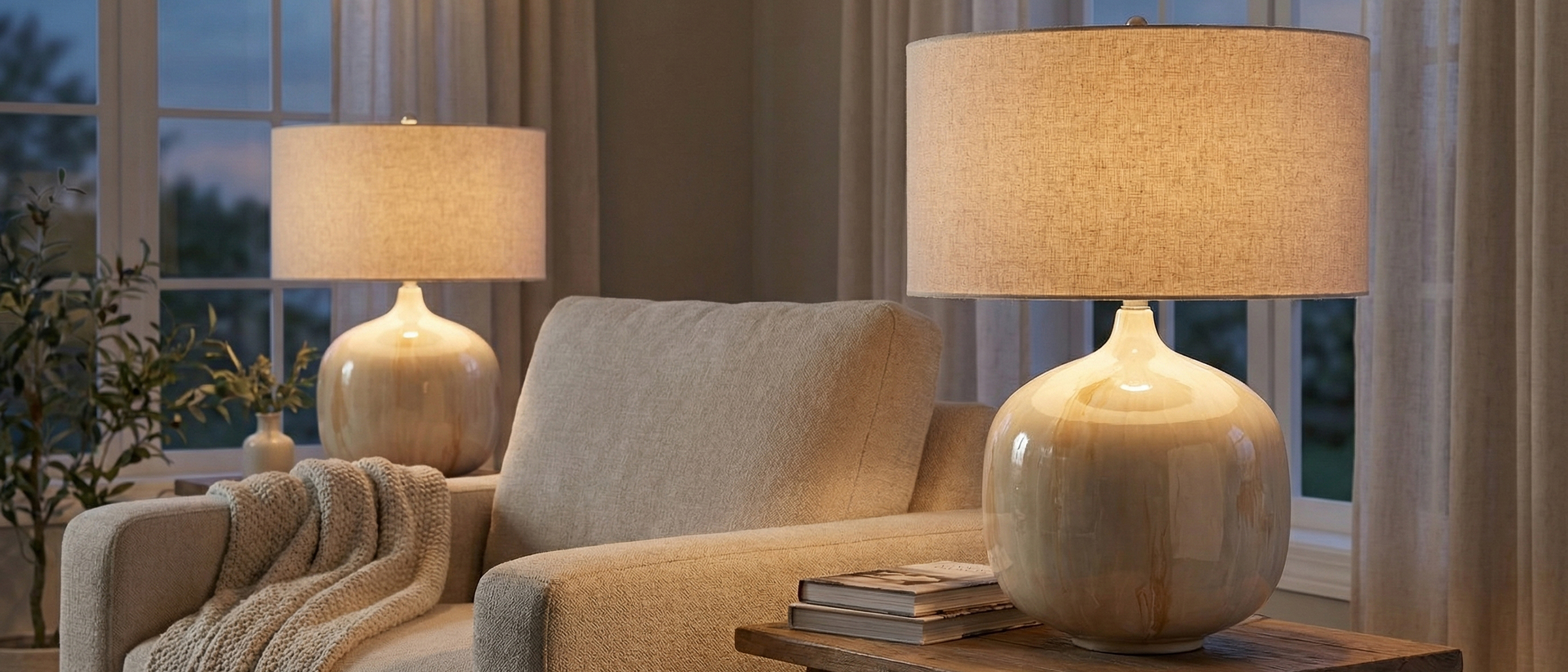
- Incorporate table lamps alongside ceiling fixtures for a layered effect.
- Consider using dimmers to adjust brightness based on mood and activity.
Kitchen Lighting Design Tips
- Utilize task lighting under cabinets to brighten workspaces.
- Install pendant lights above islands to provide both illumination and style.
- Ensure adequate ambient lighting is present from multiple sources.
Bedroom Lighting Recommendations
Creating a serene bedroom atmosphere involves:
- Using bedside lamps for convenience during nighttime reads.
- Incorporating a dimmable chandelier or overhead fixture for customizable brightness.
- Employing wall sconces to maximize bedside space and provide soft light.
Home Office Lighting Solutions
Effective lighting can significantly boost productivity in a home office. Consider the following:
- Combine overhead lights with task lighting for optimal clarity.
- Invest in adjustable desk lamps that provide focused light on work areas.
- Make use of natural light by positioning workstations near windows.
What Should I Remember About Home Lighting Circuit Design?
Understanding home lighting circuit design is essential for effective illumination. Here are key aspects:
- Plan circuits to create zones, allowing flexibility in lighting control.
- Balance load to avoid electrical issues and extend fixture lifespan.
- Incorporate smart home technology for remote control and customization.
How to Achieve Effective Home Ceiling Lighting Design?
The design of your ceiling fixtures greatly impacts the overall lighting scheme. Here are some ideas:
- Opt for chandeliers in dining rooms for a central focal point.
- Use flush mounts in low-ceiling areas to maximize headroom.
- Consider track lighting for flexibility in directing light where needed.
For more on ceiling lighting, explore our insights on home ceiling lighting design.
How Do I Illuminate Multiple Rooms Effectively?
For seamless lighting across multiple rooms, a cohesive design approach is crucial. Here are some strategies:
- Choose a unified lighting style that flows from one room to the next.
- Utilize consistent light colors and intensities for a harmonious feel.
- Incorporate adjustable lighting solutions to cater to various activities and moods.
To dive deeper, review our guide on lighting multiple rooms as a home designer.
What Are Some Outdoor Home Lighting Design Ideas?
Don’t forget about the exterior! Proper outdoor lighting enhances safety and ambiance. Here are some effective tips:
- Pathway lights guide guests safely to your entrance.
- Use wall sconces to illuminate outdoor seating areas.
- Layer landscape lighting to highlight garden features or architectural details.
For in-depth outdoor strategies, check our insights on outdoor home lighting design.
How Can I Perfect My Lighting Design at Home?
To create a well-rounded lighting scheme, remember these points:
- Assess each room’s function and adjust lighting accordingly.
- Use various light sources, from fixtures to lamps.
- Regularly review and adjust your lighting setup as needed, ensuring it meets your changing needs.
For additional guidance, visit our comprehensive guide on lighting design at home.