


What is Home Room Light Colour Design?
Home room light colour design refers to the strategic selection and application of light colors within various spaces in your home. The right lighting can enhance ambiance, affect mood, and highlight the design elements of your interiors. By understanding the principles of color theory and the psychological effects of light, homeowners can create spaces that feel both inviting and functional.
Why is Colour Important in Lighting Design?
Colour plays a crucial role in how we perceive our environment. Here are several reasons why incorporating the right colours into your home lighting design is essential:
- Affects Mood: Different colors can evoke specific emotions. Warm shades like amber can create a cozy atmosphere, while cooler tones like blue may evoke calm and tranquility.
- Enhances Space: Bright, reflective colors can make a room feel larger, while deeper colors can create an intimate setting.
- Highlights Features: The right lighting can draw attention to architectural details, artwork, or decorative elements, optimizing the overall aesthetic of the room.
How to Choose the Right Light Colour for Each Room
When designing your home room light colour scheme, consider the following factors:
1. Room Functionality
The purpose of the room should influence your choice of light color. For example:
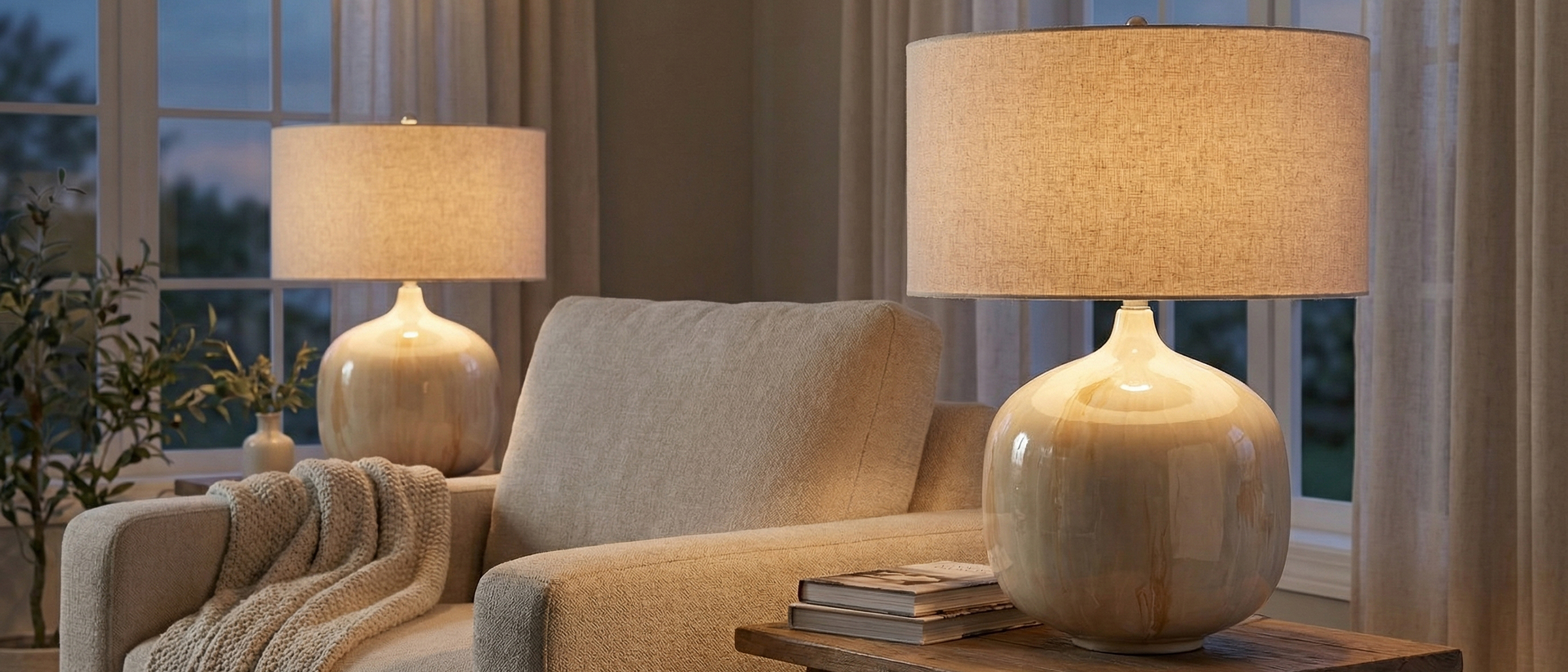
- Living Room: Warm whites (around 2700K) foster a relaxed, inviting atmosphere.
- Kitchen: Cooler whites (around 4000K) are better for task lighting while cooking.
- Bedroom: Soft, warmer tones help create a peaceful and restful environment.
2. Natural Light Availability
Consider the amount of natural light each room receives. Rooms with abundant sunlight may benefit from warmer light tones to offset the cooler daylight, while darker rooms may need brighter, cooler lighting to feel spacious.
3. Color Scheme
Assess the existing color palette of your room. If your walls and furniture are painted in cool colors, adapting your light bulbs to a cooler hue can achieve cohesiveness. Alternatively, warmer lights can soften a space dominated by cool tones.
Tips for Effective Home Room Light Colour Design
Implement these strategies for a successful light colour design:
- Layering Light: Use a mix of ambient, task, and accent lighting to create depth. Combining different light sources can enhance both aesthetics and functionality.
- Testing Light Bulbs: Always test light bulbs in the intended space before installation, as colors can appear different when illuminated.
- Consider Dimmers: Installing dimmers allows for flexibility in light intensity, making it easy to adjust the atmosphere based on time of day or activity.
Examples of Home Room Light Colour Designs
To inspire your design choices, consider these examples for different rooms:
- Home Office: Use natural white (around 5000K) to stimulate productivity.
- Dining Room: Use warm light (around 3000K) to create a welcoming environment for meals.
- Bathroom: Bright white (around 4000K) gives precision for grooming tasks.
How to Implement Home Interior Lighting Design Ideas
Ready to put your home room light colour design ideas into action? Here are some steps to follow:
- Assess each room’s lighting needs based on its purpose.
- Select suitable color temperatures and light sources.
- Experiment with different fixtures and layouts for optimal light distribution.
- Install and test your lighting scheme.
- Adjust based on personal preference and functionality.
Frequently Asked Questions
What is the best light color for living rooms?
The best light color for living rooms is typically a warm white (2700K), which creates an inviting atmosphere that encourages relaxation and conversation.
How do light colors affect mood?
Light colors can influence mood significantly; warm tones often create feelings of comfort and warmth, while cooler tones can foster clarity and focus.
Can I mix different light colors in one room?
Yes, mixing different light colors can add depth and visual interest, but it’s important to ensure they complement each other to avoid clashing.
Further Resources
For additional insights on enhancing your home lighting design, explore our in-depth guides on home lighting circuit design, home ceiling lighting design, and lighting. These resources will help you implement effective strategies for a well-lit home.