


What Are Wall Decor and Home Accents?
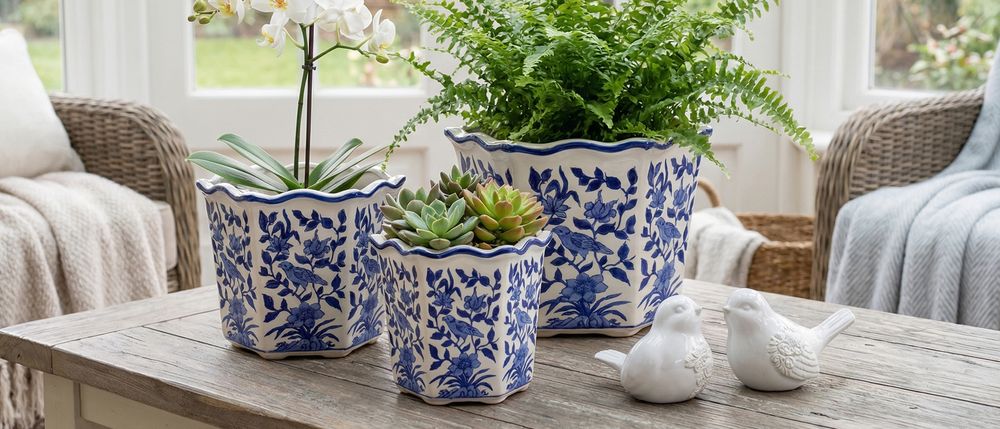
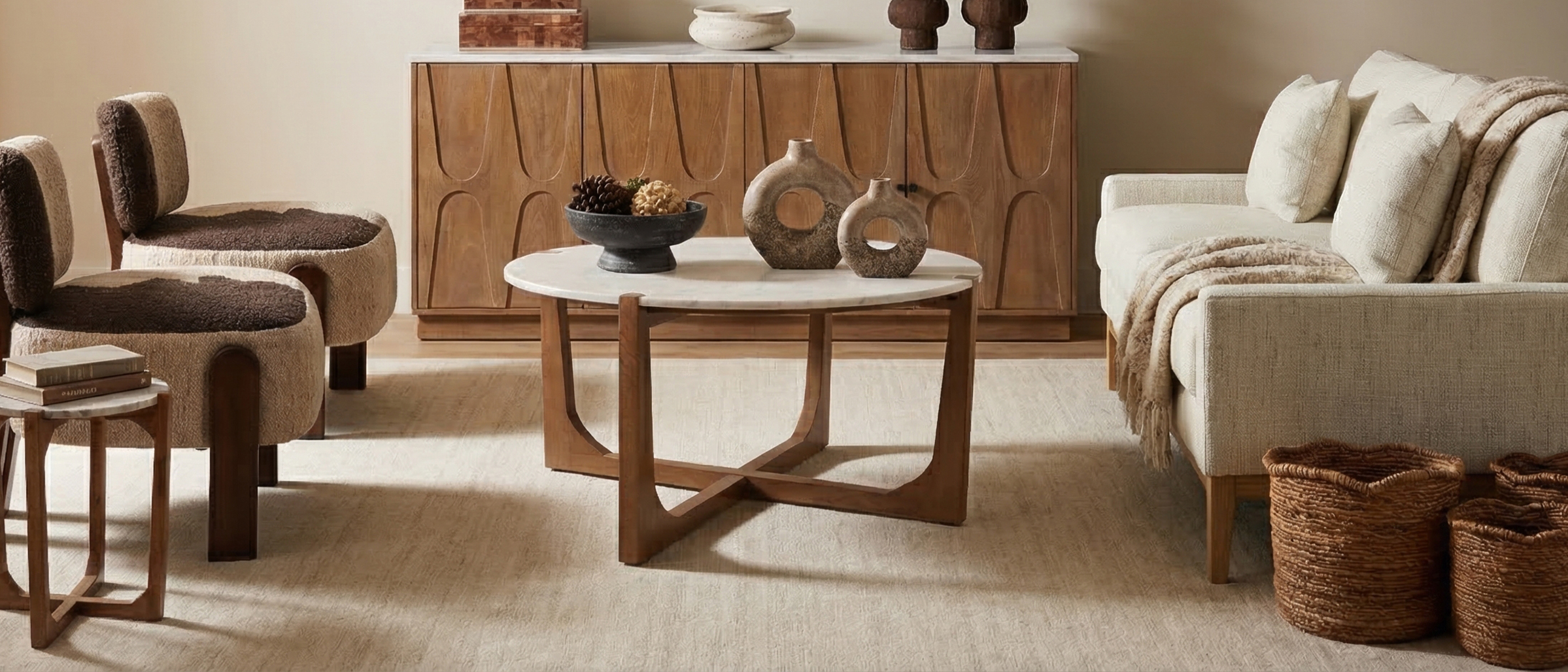
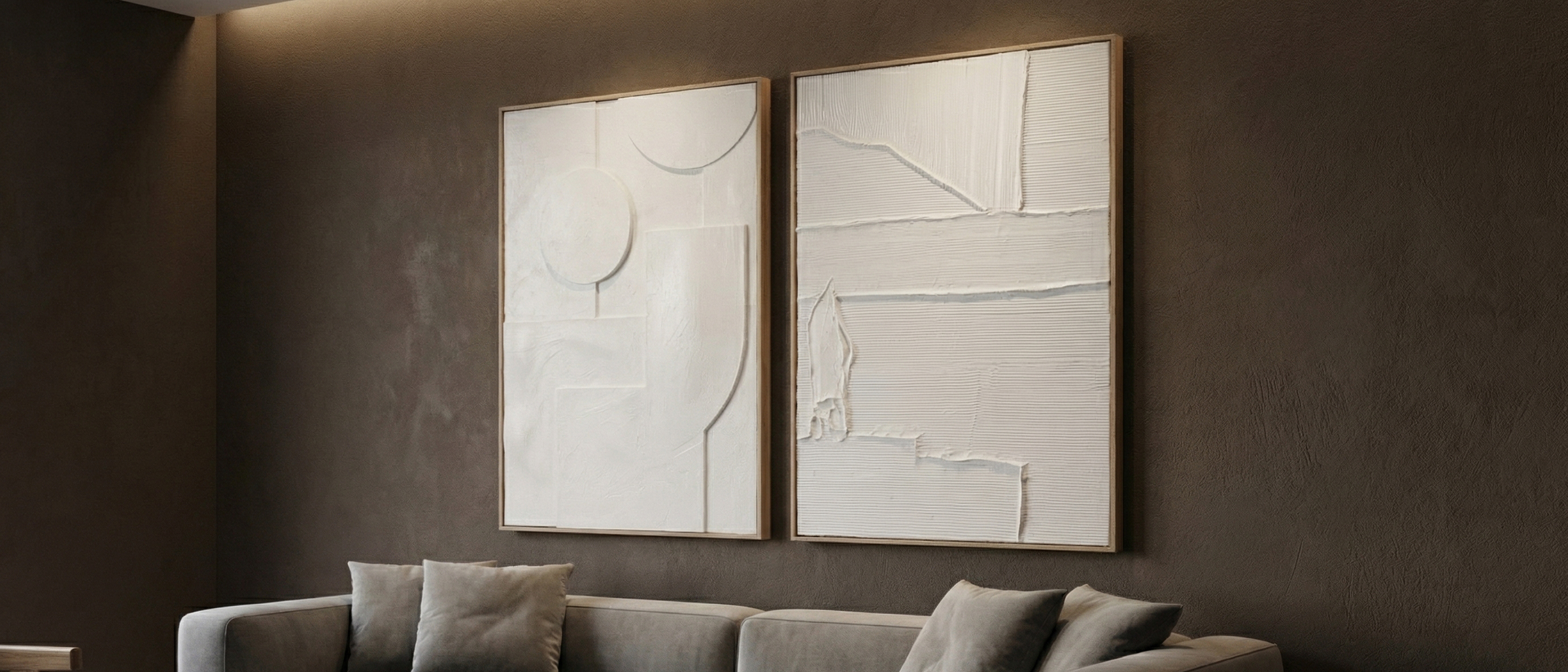
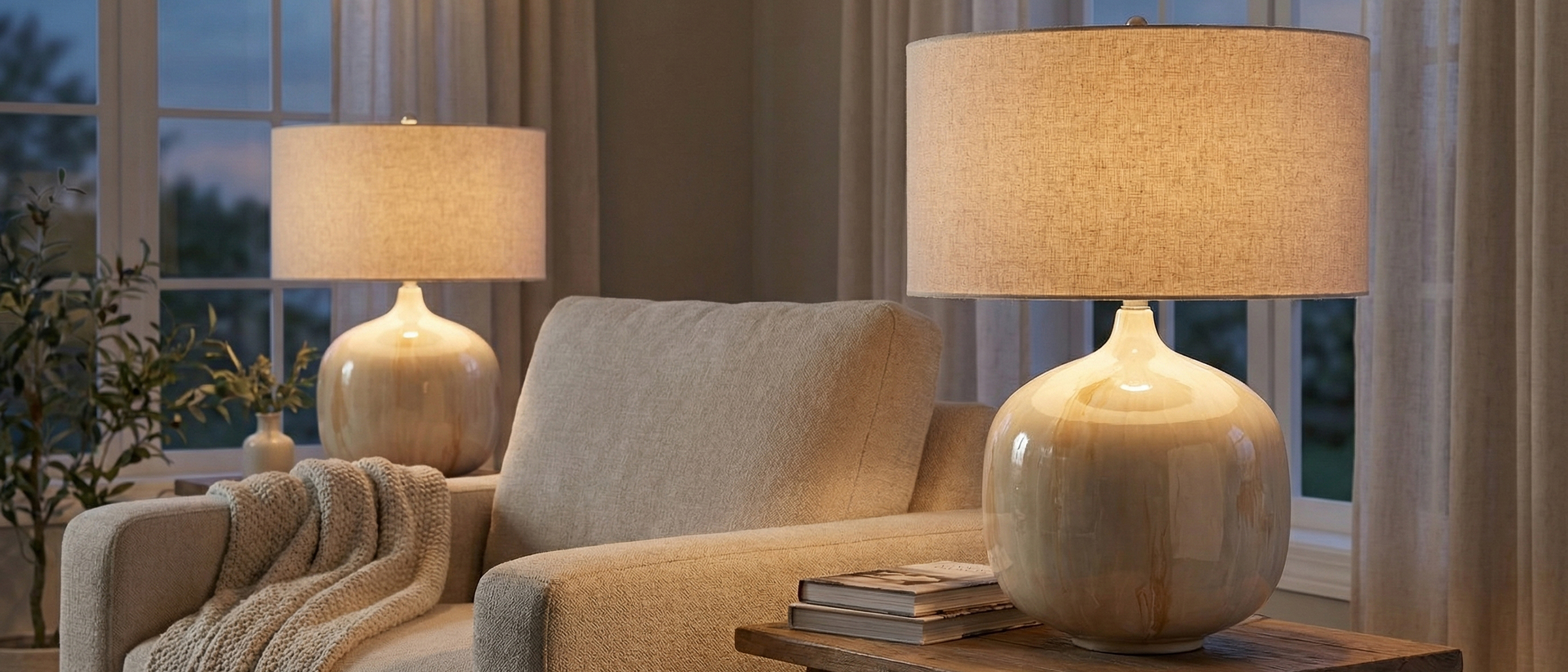
Wall decor and home accents encompass a wide variety of items designed to enhance the aesthetics of your living space. Wall decor refers to artworks, mirrors, and other items that are affixed to your walls. Home accents include decorative objects, textiles, and furniture that complete a room’s look. Both elements play a crucial role in personalizing your environment and expressing your style.
Why Are Wall Decor and Home Accents Important?
Choosing the right wall decor and home accents has several benefits:
- Enhancing Visual Appeal: Thoughtfully selected decor adds beauty and dimension to your space.
- Reflecting Personality: Personal touches reveal your interests, values, and style.
- Creating Atmosphere: The right decor can evoke feelings of comfort, joy, or creativity.
- Completing a Space: Accents can tie different elements of a room together, making it feel cohesive.
How to Choose Wall Decor and Home Accents: Step-by-Step Guide
Step 1: Define Your Style
Before purchasing, consider the overall theme of your space. Are you drawn to modern minimalism, rustic charm, or contemporary chic? Your choice of wall decor and home accents should harmonize with your existing decor.
Step 2: Consider Color Schemes
Color plays a pivotal role in the impact of decor. Choose pieces that complement or contrast your existing palette. Neutral tones work well for a subtle background, while bold colors can become focal points.
Step 3: Measure Your Space
Ensure that the decor you choose fits your wall and room dimensions. Oversized pieces can overwhelm small spaces, while too-small accents may get lost on larger walls.
Step 4: Mix and Match Textures
Textures add depth to your design. Consider mixing materials like wood, metal, and fabric to create visual interest. For example, combining abstract resin wall or shelf art 4 x 4 with woven accents can bring a dynamic aspect to your decor.
Types of Wall Decor to Consider
- Art Prints: Affordable and versatile, art prints come in a wide range of styles.
- Framed Photos: Personal photos add sentimental value and can be arranged in a gallery wall.
- Mirrors: Not only functional, mirrors also create the illusion of space.
- Canvas Abstract Wall Art: Offer a modern touch to your rooms. Check out our ultimate guide to canvas abstract wall art for more insights.
Incorporating Home Accents Effectively
Choose Focal Points
Identify key areas in a room that could benefit from accent pieces, such as your coffee table or bookshelf. This can help draw attention to your favorite items.
Layering Accents
Layering multiple accents can add depth. For instance, stack a few books and place a decorative item on top. This technique enhances visual interest without cluttering the space.
Utilizing Colorful Home Accents
Introduce bursts of color through pillows, vases, or rugs. These accents can be easily changed seasonally or as your style evolves. Additionally, consider using home decor accents that stand out, providing an eye-catching element in an otherwise neutral space.
Common FAQs About Wall Decor and Home Accents
What materials work best for wall decor?
Common materials include canvas, wood, metal, and textile. Each offers a unique aesthetic and texture, allowing for diverse options that fit your style.
How do I hang wall decor securely?
Use appropriate hanging hardware based on the weight of your decor. For heavier pieces, wall anchors may be necessary to ensure stability.
What are some tips for arranging wall decor?
Consider the following tips:
- Keep a consistent spacing between pieces.
- Start with the largest piece and build around it.
- Use a level to ensure your items are straight.
How can I integrate wrought iron home decor accents?
Wrought iron home decor accents can complement various design styles. For instance, consider using wrought iron accents in entryways or living rooms to create a rustic yet modern look.
By carefully selecting wall decor and home accents, you can create a living space that reflects your unique style and enhances the overall atmosphere. Whether through art, textiles, or decorative objects, these elements play a significant role in shaping your environment.