


What Is Lighting Design in Homes and Why Is It Important?
Lighting design in homes refers to the planning and implementation of lighting solutions to enhance the usability, aesthetics, and atmosphere of living spaces. Proper lighting can significantly influence mood, efficiency, and even safety. By having a well-thought-out lighting design, homeowners can improve their environments, making them more inviting and functional.
Types of Lighting to Consider in Your Home
When exploring lighting design in homes, focusing on the three primary types of lighting is essential:
- Ambient Lighting: This general lighting creates an overall illumination level in a room, ensuring visibility and comfort.
- Task Lighting: Focused lighting that assists with specific tasks, such as reading or cooking, enhancing functionality.
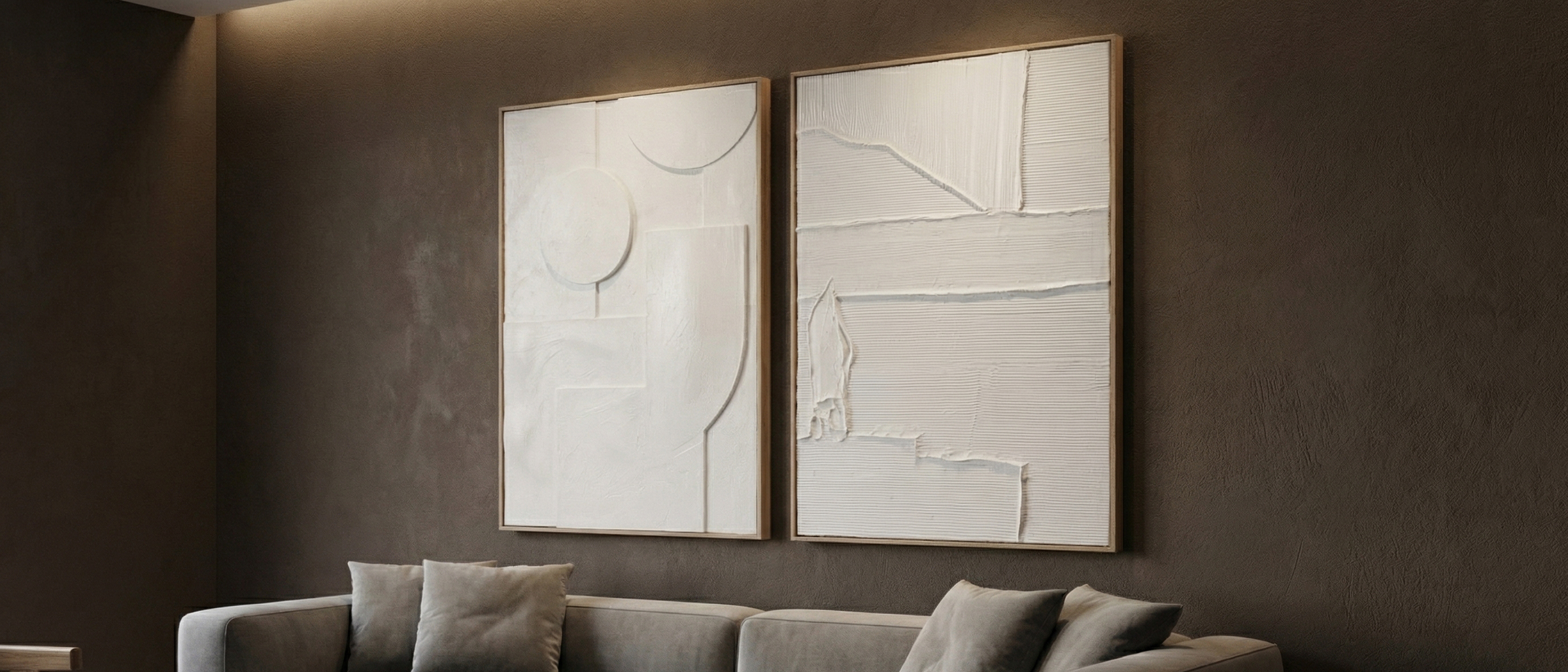
- Accent Lighting: This type of lighting highlights artwork, architectural features, or other focal points in your home.
Understanding the Benefits of Each Lighting Type
By incorporating all three types of lighting into your design, you can achieve a balanced and visually appealing space.
- Enhances safety by ensuring well-lit passageways and staircases.
- Improves usability in work areas with task lighting.
- Creates depth and interest through accent lighting.
How to Master Lighting Design at Home for Every Space
Applying effective lighting design at home requires a tailored approach for different areas. Here’s how to effectively light various spaces:
Living Room Design
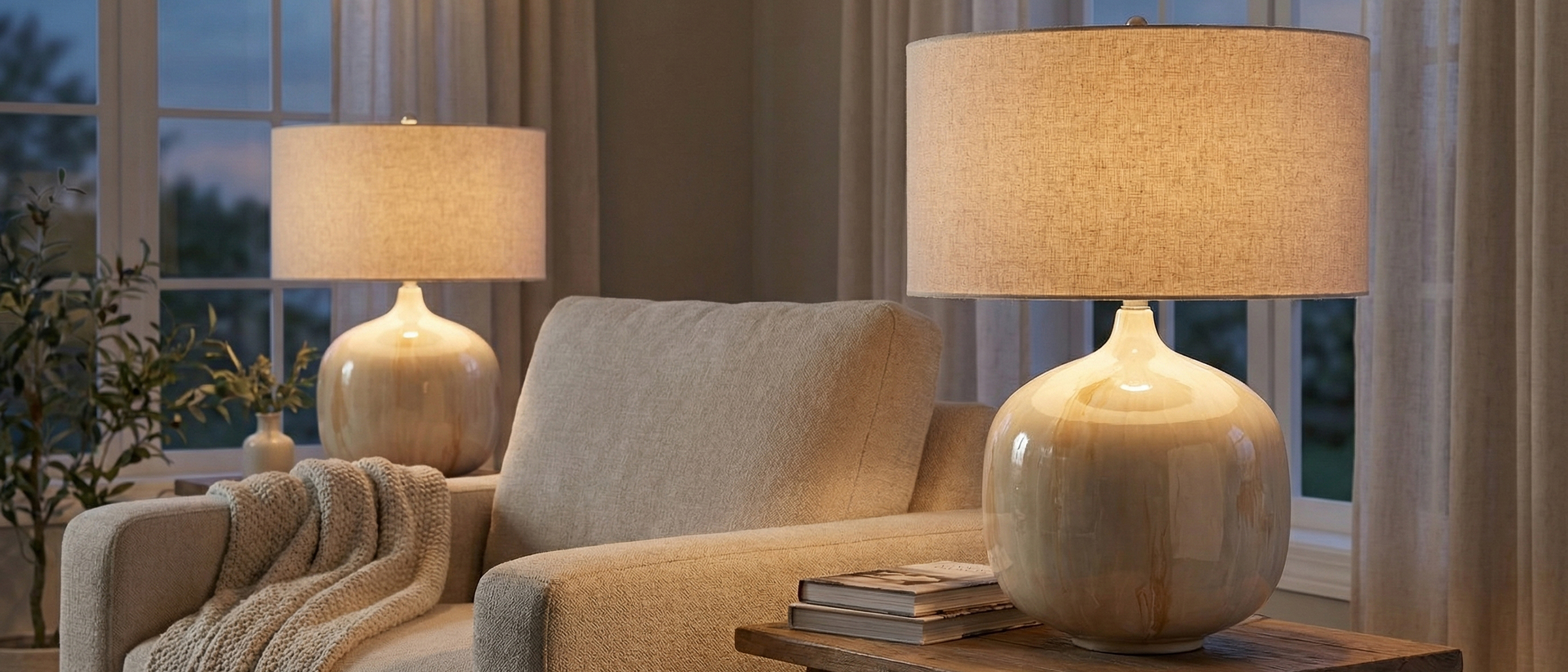
For the living room, consider a mix of ambient and accent lighting. Use overhead fixtures combined with floor or table lamps to create a cozy atmosphere. Incorporating dimmers allows for adjustable brightness, catering to different activities from family gatherings to movie nights.
Dining Room Design
In the dining area, focus on creating an inviting and warm setting. A striking chandelier or pendant light above the dining table serves not only as a focal point but also provides necessary illumination. Ensure that the light’s height allows for unobstructed views across the table. For a unique touch, consider layered lighting to accommodate mood changes.
Kitchen Lighting
The kitchen benefits significantly from task lighting. Pendant lights over the kitchen island, under-cabinet lights, and recessed ceiling fixtures all play a vital role in making this space functional and efficient.
Home Office Lighting
As remote work becomes more common, effective lighting design for home office is essential. A combination of ambient and task lighting helps reduce eye strain, enhancing productivity. Consider using a desk lamp with adjustable brightness to cater to various tasks.
Outdoor Home Lighting Design Options
Another often-overlooked aspect is outdoor home lighting design. Proper outdoor lighting can enhance safety as well as the beauty of your property. Here are some ideas:
- Pathway Lights: Illuminate pathways to ensure safe navigation.
- Wall Sconces: Enhance entryways or patios with stylish fixtures.
- Spotlights: Use them to highlight landscape features or architectural details.
Common Mistakes in Lighting Design
Even seasoned decorators can make errors in lighting design. Here are a few pitfalls to avoid:
- Neglecting Dimmer Switches: Not including dimmers can limit flexibility in lighting moods.
- Overly Bright Fixtures: Using lights that are too harsh can create an unpleasant ambiance.
- Ignoring Layering: Failing to layer different lighting types can create a flat and uninviting space.
FAQs About Lighting Design in Homes
What factors should I consider in my lighting design?
Consider the purpose of each room, the mood you want to create, and the types of activities that will occur in each space. Quality of light, fixture types, and the color palettes of walls and furniture also play crucial roles.
How can I improve the energy efficiency of my home lighting?
Utilizing LED bulbs and fixtures with motion sensors can significantly reduce energy consumption while ensuring adequate lighting.
What are some trends in lighting design for homes?
Current trends include smart home technologies, vintage-inspired fixtures, and eco-friendly designs. Blending functionality with aesthetics continues to be a priority for homeowners.