


What Is the Importance of Designing Home Lighting?
Designing home lighting is not just about choosing fixtures; it’s a vital component of your overall interior design strategy. Proper lighting enhances the ambiance, improves functionality, and highlights your home’s architectural features. By carefully planning your home lighting design, you can create different environments that suit various moods and activities.
How to Identify Your Lighting Needs
Understanding your specific lighting needs is the first step in creating an effective home lighting design. Here are a few key considerations:
- Functionality: Assess how each room will be used. Kitchens need bright task lighting for cooking, while bedrooms may benefit from softer, ambient lighting.
- Style: Consider the overall decor of your home. The lighting style should complement your interior style, whether it’s modern, traditional, or rustic.
- Natural Light: Take into account the amount of natural light each space receives. Rooms with large windows might need less artificial lighting during the day.
What Types of Lighting Should You Include in Your Design?
When designing home lighting, it’s essential to incorporate three main types of lighting:
- Ambient Lighting: This serves as the primary source of illumination within a space. Ceiling fixtures, chandeliers, and wall sconces are common choices.
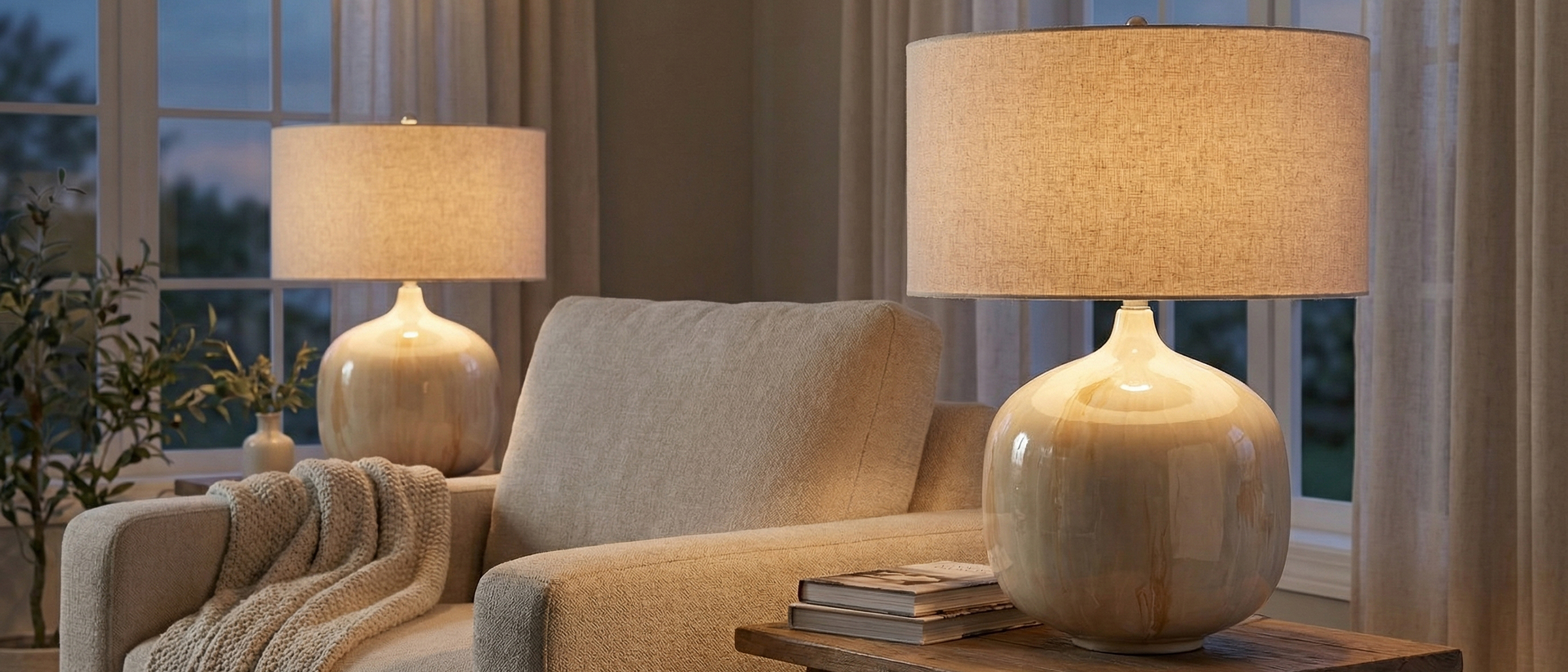
- Task Lighting: Used for specific activities such as reading or cooking. Table lamps, under-cabinet lights, and pendant lights can fulfill these needs effectively.
- Accent Lighting: This highlights particular features, such as artwork or architectural details. Spotlights, LED strip lights, and track lighting are great options.
How to Choose the Right Fixtures for Your Home Lighting Design?
Choosing the right fixtures is crucial in your home lighting design process. Here are some tips:
- Scale: Ensure that the size of the light fixture is appropriate for the space. A large pendant light can become a focal point in a dining room, while small fixtures work well in a cozy nook.
- Style and Finish: Match the style of your fixtures with the decor of your space. Options range from sleek and modern to rustic and vintage.
- Energy Efficiency: Consider using energy-efficient options like LED bulbs. Not only do they consume less energy, but they also have a longer lifespan, making them a smart choice for any home.
What Are the Latest Trends in Home Lighting Design?
The world of home lighting is constantly evolving. Here are some of the latest trends to consider:
- Smart Lighting: Integrate technology into your home lighting design with smart bulbs and systems that can be controlled via smartphones or voice commands.
- Layered Lighting: Create depth and interest by incorporating multiple sources of light at varying heights, including table lamps, floor lamps, and wall fixtures.
- Minimalist Designs: Simple, clean lines and understated designs can help to unobtrusively enhance a space without overwhelming it.
For more on what’s trending, check out our comprehensive guide on latest home lighting designs.
How to Utilize a Home Lighting Design App?
Technology can play a significant role in planning your home lighting design. A home lighting design app can provide assistance and inspiration. Here’s how to benefit:
- Visualize: Use apps to visualize how your lighting choices will look in your space.
- Experiment: Try different fixtures and layouts without making any permanent changes.
- Create Mood Boards: Compile ideas and concepts to narrow down your design preferences.
FAQs About Designing Home Lighting
What is the best way to layer lighting in my home?
To layer lighting effectively, combine ambient, task, and accent lights in a balanced manner. Start with ambient lights as your base layer, add task lights where necessary, and finish with accent lighting to highlight interesting features.
How can I choose the right color temperature for my light bulbs?
Color temperature affects the ambiance of a space. Warm white (2700K-3000K) works well in living areas and bedrooms, while cool white (3500K-4100K) is ideal for task-focused areas like kitchens. You may opt for daylight (5000K-6500K) in spaces requiring enhanced visibility.
What are some common mistakes to avoid when designing home lighting?
Common mistakes include overlooking the importance of layering, using too few fixtures, or relying solely on ceiling lights. It’s crucial to strike a balance and ensure that lighting meets the functional and aesthetic needs of each space.
For further assistance in selecting the perfect fixtures, explore our tips on designer lighting for the home.
Design home lighting effectively to enhance the beauty and functionality of your space. By understanding the types of lighting, choosing the right fixtures, and incorporating the latest trends, you can create an inviting atmosphere throughout your home.