Creating the perfect ambiance in your home starts with the right lighting. In this guide, we delve into the art of designing light for home spaces, providing you with insights to enhance your interior spaces effectively. From understanding different types of lighting to choosing the right fixtures, we’ve got you covered.
What Types of Lighting Should You Consider When Designing Light for Home?
Understanding the different types of lighting is crucial. Each plays a unique role in your home’s overall illumination:
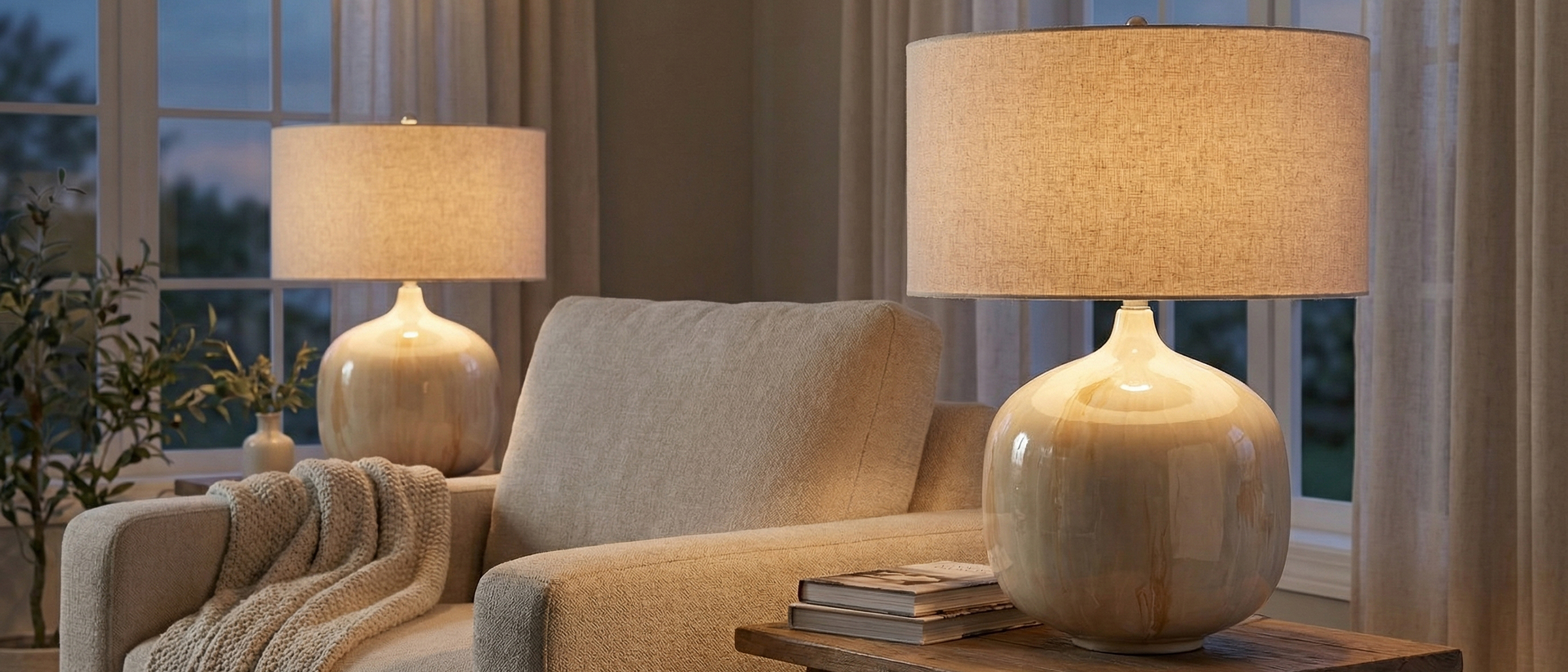
- Ambient Lighting: This is the general illumination that fills a room, providing an overall level of brightness.
- Task Lighting: This lighting focuses on work areas, such as desks or kitchens, ensuring spaces are adequately lit for specific tasks.
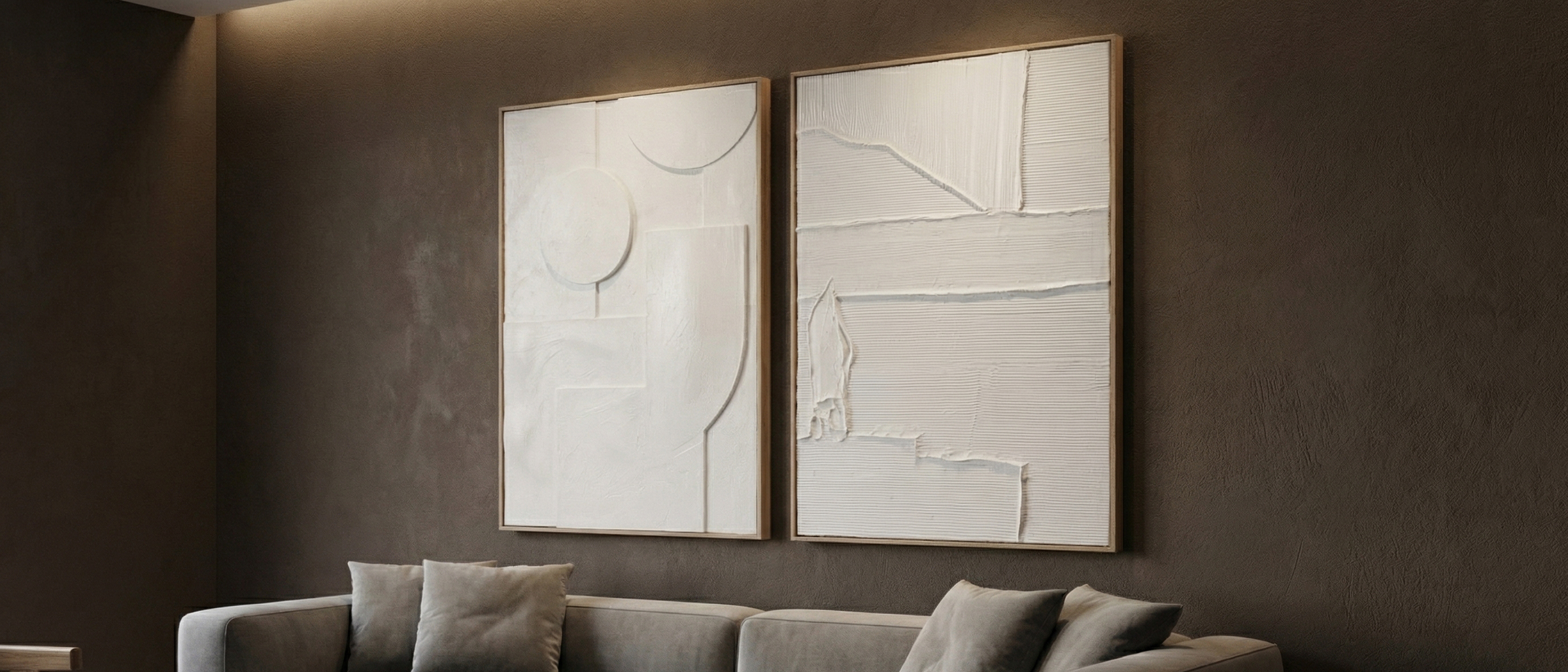
- Accent Lighting: Designed to highlight specific features in your home, such as art pieces or architectural details, accent lighting adds depth and character to your space.
How Do You Choose the Right Fixtures for Each Space?
Selecting appropriate lighting fixtures is key to effective home illumination. Consider the following factors:
- Room Function: The task of the room dictates the type of lighting you should use. For example, kitchens may require brighter task lighting, while bedrooms can benefit from softer ambient light.
- Ceiling Height: Different fixtures work better depending on how high your ceilings are. Pendant lights may look spectacular in a kitchen with high ceilings but could overwhelm a cozy bedroom.
- Style and Décor: Consider how your lighting fixtures will harmonize with your overall interior design. Decorative light fixtures can serve as statement pieces while ensuring functionality.
What Are the Benefits of Layered Lighting?
Layered lighting is an effective method involving multiple types of lighting to create a harmonious environment. Here are some benefits:
- Flexibility: Layering allows you to adjust the mood of a room easily. Dim the ambient lights for a movie night or turn on task lights for an engaging reading session.
- Enhanced Aesthetics: Using different sources creates visual interest and prevents flat, lifeless areas in your decor.
- Optimized Functionality: Properly layered lighting ensures every part of your room serves its intended purpose, enhancing both livability and form.
How Can You Incorporate Natural Light into Your Home Design?
Natural light is an invaluable asset in designing light for home spaces. Here are a few strategies:
- Window Placement: Consider the orientation of windows and how they can bring in sunlight throughout the day. South-facing windows typically offer the most light.
- Reflective Surfaces: Utilize mirrors and light-colored elements to enhance the natural light that enters your room.
- Open Layout: Creating an open floor plan allows light to flow more freely between rooms, maximizing brightness.
What Are Some Innovative Lighting Trends for Home Design?
Staying updated with the latest trends can make your home more appealing. Here are some popular trends in lighting design:
- Smart Lighting: Home automation allows you to control lighting via mobile devices or voice assistants, offering both convenience and energy efficiency.
- Industrial Styles: Fixtures that combine metal materials with minimalist designs continue to be popular, adding a modern edge to home aesthetics.
- LED Lighting: Energy-efficient and versatile, LED options are abundant and can be used creatively in everything from recessed ceiling fixtures to decorative installations.
How to Select the Best Home Accent Décor for Your Lighting Setup?
Choosing the right decor can enhance your lighting significantly. Consider these tips:
- Balance: Ensure that your home accent décor complements the lighting fixtures you select, focusing on proportion and placement.
- Contrast: Lighting can create various contrasts with décor items, such as pairing warm-tone lights with cool hues in the room.
- Create Focal Points: Use accent lighting to draw attention to particularly striking décor pieces or areas of interest in your home.
FAQ: Frequently Asked Questions About Designing Light for Home
- What should I consider when designing lighting for small rooms? Opt for layered lighting to create depth and avoid dark corners. Use lighter colors to reflect light and create a more spacious feel.
- Can I use the same type of lighting throughout my home? While having a consistent style can create a cohesive look, it’s important to adjust the lighting type according to the function of each room.
- How can I make my lighting more eco-friendly? Consider using LED bulbs, setting timers for lights, and utilizing natural light whenever possible to reduce energy consumption.
By thoughtfully designing light for home spaces, you can enjoy a well-lit, functional, and visually appealing environment. Explore more insights about home accent décor and discover how to balance light and style in your interior design.
For additional inspiration on lighting solutions, check out our detailed piece on light manufacturers and their innovative approaches to home illumination.
Embrace the lighting journey, and remember that a well-lit space is not just about brightness; it’s about atmosphere, functionality, and personal style.