What Is Lighting Design and Why Is It Important?
Lighting design refers to the process of combining aesthetic ideals with the functional requirements of illuminating spaces. It plays a critical role in creating the desired mood, highlighting architectural features, and making environments more usable. When considering how to use lighting design to transform your home, remember that the right lighting can make a small space feel larger, improve functionality, and even influence emotional well-being.
How Can You Use Different Types of Lighting?
To understand how to use lighting design to transform your home, it’s essential to be familiar with the three main types of lighting: ambient, task, and accent lighting. Here’s how each can be applied:
- Ambient Lighting: This is the primary source of light in a room, providing overall illumination. Use ceiling fixtures or wall sconces paired with dimmers to create a versatile atmosphere.
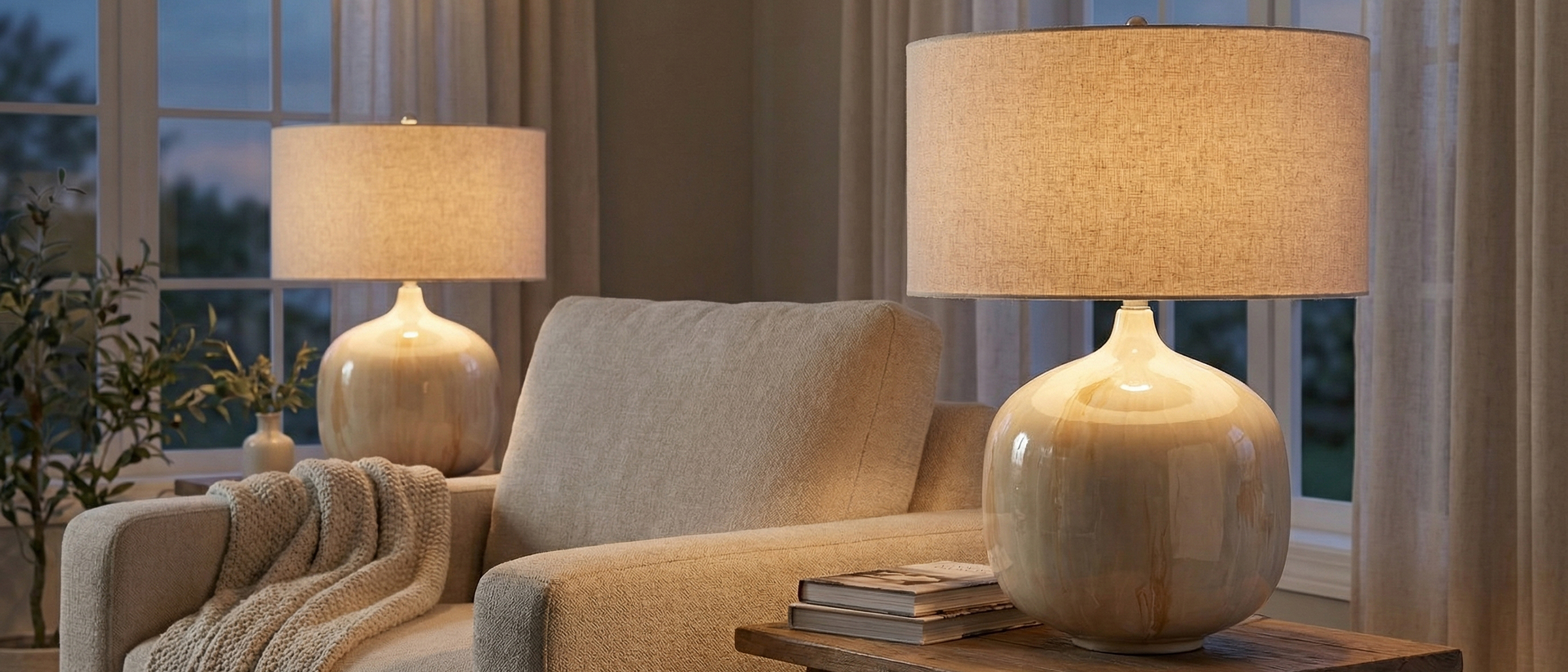
- Task Lighting: Useful for specific activities such as reading or cooking, task lighting should be focused and bright. Consider adding pendant lights over a kitchen island or desk lamps in your workspace.
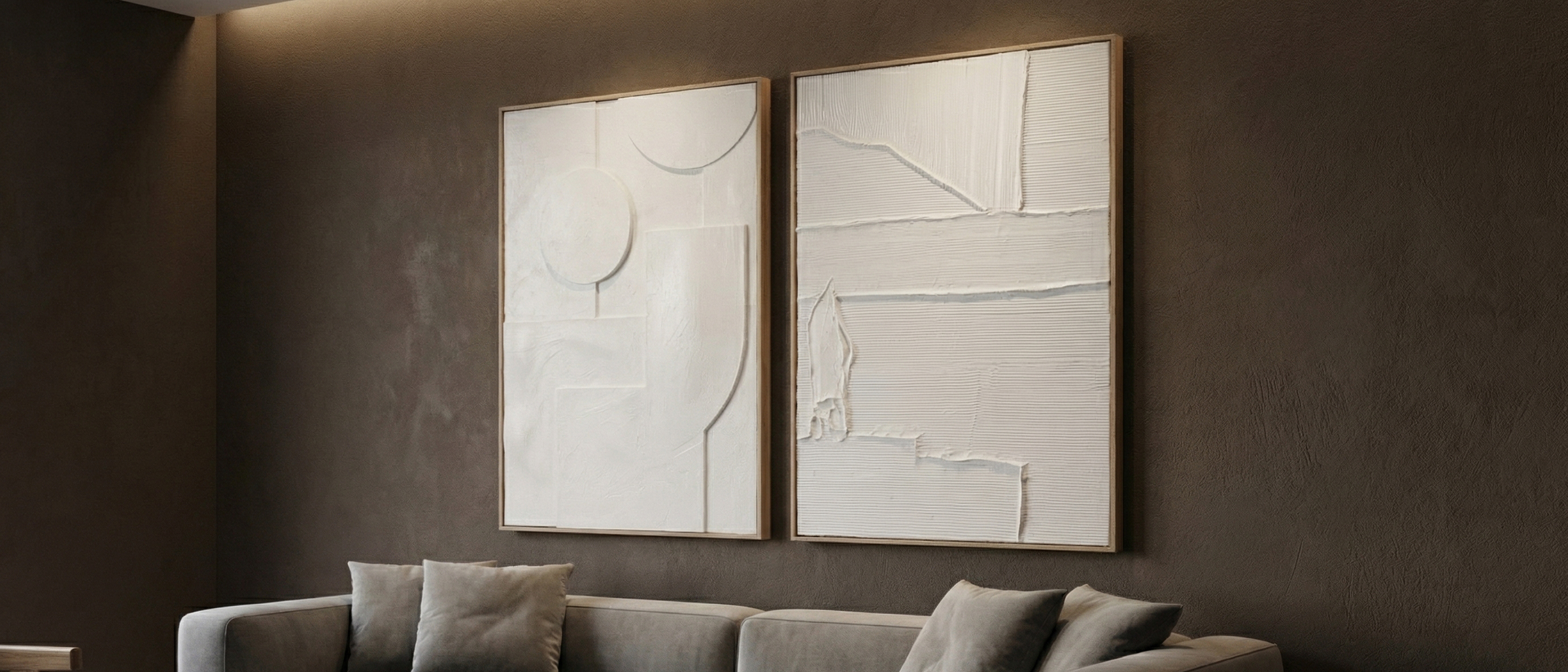
- Accent Lighting: To highlight artwork, architectural elements, or features, accent lighting uses focused beams. Track lighting or spotlights can effectively draw attention to these focal points.
What Are the Benefits of Layered Lighting?
Layered lighting consists of using multiple light sources in a single space to create a more dynamic and functional environment. Here are the benefits:
- Flexibility: By combining different lighting types, you can easily adjust the mood to suit various occasions.
- Improved Functionality: Multiple light sources enhance visibility and usability in all areas of your home.
- Enhanced Aesthetics: Layered lighting adds depth and interest to your decor, making spaces feel more inviting.
How to Choose the Right Fixtures for Your Space
Selecting appropriate light fixtures is crucial in achieving effective lighting design. Keep these factors in mind:
- Scale: Ensure that your fixtures are appropriate for the size of your room. An oversized chandelier in a small dining area can overpower the space, while tiny sconces may get lost in a large room.
- Style: Choose fixtures that match your home’s overall aesthetic. For modern ambiances, consider sleek, minimalist designs.
- Function: Ensure that your choices serve the intended purpose, such as providing adequate light for reading or illuminating artistic displays.
How Can You Use Color Temperature in Lighting Design?
Color temperature refers to the hue of the light emitted by a bulb, measured in Kelvins (K). Understanding how to apply this concept can significantly affect your interior atmosphere:
- Warm White (2700K-3000K): Creates a cozy, inviting feel, perfect for living rooms and bedrooms.
- Neutral White (3000K-4000K): Offers clarity, making it ideal for kitchens and bathrooms.
- Cool White (4000K+): Bright and energetic, suitable for offices and workshops.
What Other Design Elements Should You Consider?
When assessing how to use lighting design to transform your home, consider integrating lighting with other decor elements:
- Home Décor Accents: Pair lighting with unique home décor accents, such as statement artwork or sculptural furniture, to create a cohesive look. For tips on enhancing your living space, check out this [guide](https://www.sagebrookhome.com/blog/how-to-effectively-use-home-dcor-accents-to-enhance-your-living-space/).
- Color Palette: Lighting can enhance your color scheme, so consider how light interacts with wall colors and furnishings.
- Textural Contrast: Mix materials like glass, metal, or wood for a more visually engaging environment.
How to Implement Lighting Design Changes?
To make changes to your home’s lighting design effectively, follow these steps:
- Assess Your Needs: Identify areas that lack adequate lighting or ambiance.
- Create a Plan: Sketch out your lighting concept, considering what types of lighting will suit each area.
- Choose Project Suppliers: Opt for reputable brands for lighting fixtures, such as those offered by Sagebrook Home for stylish and functional options. Explore [new design light for home](https://www.sagebrookhome.com/blog/new-design-light-for-home-innovative-options-to-brighten-your-space/).
- Install and Adjust: Install your fixtures, test different settings, and adjust as necessary to perfect the ambiance.
FAQs
- How do I choose the right bulb for my fixtures?
Consider brightness (lumens), wattage (energy use), and color temperature when selecting bulbs. - Can lighting affect mood?
Yes, different types and intensities of lighting can influence emotional responses and comfort levels. - What is the best way to layer lighting?
Incorporate ambient, task, and accent lighting for a balanced approach.
Incorporating a well-thought-out lighting design will not only enhance the visual appeal of your home but improve its functionality as well. Follow the outlined strategies to understand how to use lighting design to transform your home and create the perfect ambiance for your living spaces.