


What Supplies Do You Need to Make Your Own Abstract Wall Art?
Creating your own abstract wall art can be a fulfilling project. To get started, gather the following supplies:
- Canvas or poster board as your base
- High-quality acrylic paints in various colors
- Paintbrushes, sponges, and palette knives for application
- Water container and mixing palette for paints
- Protective covering for your workspace
- Optional: stencils, textured items (like sponges or leaves), and masking tape
How Can You Choose a Color Palette for Your Abstract Wall Art?
The color palette you choose plays a significant role in the overall impact of your artwork. Here are some tips:
- Consider the existing colors in your room. Select hues that complement your décor.
- Use color theory: Combine primary colors with secondary ones, or select monochromatic shades for cohesion.
- Try a color scheme based on emotions. For instance, blues can evoke calmness while reds may add energy.
What Techniques Can You Use to Create Abstract Art?
When it comes to how to make your own abstract wall art, various techniques can enhance your creative process:
- Color Pouring: Pour different colors of paint onto the canvas and tilt it to allow the colors to flow and mix.
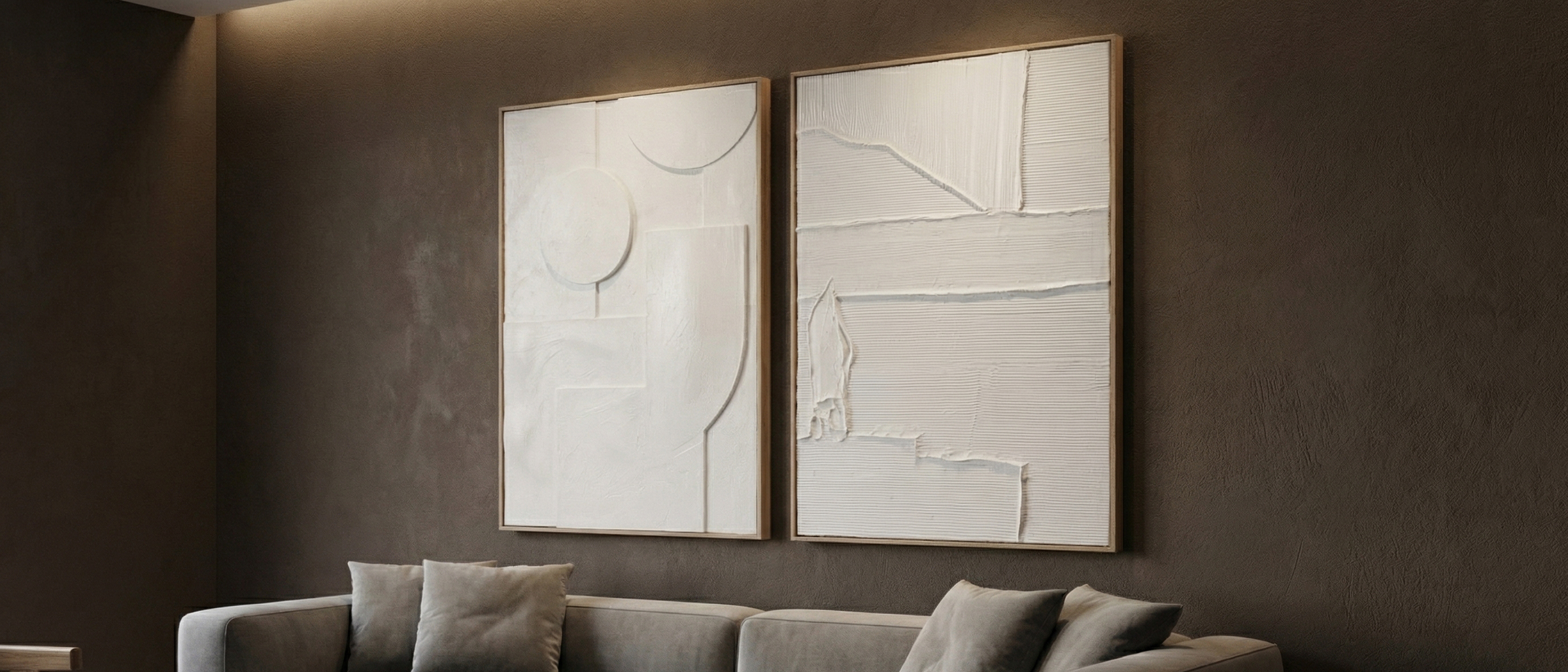
- Sponging: Use a sponge to dab paint onto your canvas for a textured appearance.
- Dripping: Incorporate the drip technique by letting paint fall from a brush onto the canvas for a dynamic effect.
- Layering: Apply multiple layers of paint, allowing each to dry before adding another, creating depth in your artwork.
How Do You Plan Your Abstract Wall Art Composition?
Planning your composition is essential for achieving a balanced look. Here are steps to consider:
- Start with a sketch. Visualizing your design can help you develop your ideas.
- Decide on focal points. Select areas of your canvas that will draw the viewer’s eye.
- Balance your elements. Ensure that colors and shapes are distributed evenly throughout the piece.
What Are the Benefits of Making Your Own Abstract Wall Art?
Creating your own abstract wall art offers numerous advantages:
- Personal Expression: Your art can reflect your unique personality and taste.
- Cost-Effectiveness: Making art at home can save you money compared to purchasing expensive pieces.
- Satisfaction: Completing a project can boost your mood and confidence in your artistic abilities.
How to Hang Your Abstract Wall Art for Maximum Impact?
After creating your masterpiece, consider these hanging tips:
- Select the right height: Ideally, art should be hung at eye level, approximately 57 to 60 inches from the floor.
- Group smaller pieces: If you have multiple artworks, consider arranging them in a gallery style.
- Use appropriate hardware: Ensure you use the correct hanging tools to support the weight of your canvas.
FAQs About How to Make Your Own Abstract Wall Art
Can I use recycled materials to create abstract wall art?
Absolutely! Recycling materials like old newspapers, fabric, or cardboard can add unique textures and layers to your artwork.
What types of paint are best for abstract wall art?
Acrylic paints are most commonly used due to their versatility and quick drying time, but you could also explore watercolor or oil paints depending on your preference.
Is there a recommended size for abstract wall art?
There is no one-size-fits-all; however, larger pieces can serve as great focal points, while smaller pieces may work better in clusters or alongside other artworks. For an idea of sizing, check out how to choose the best abstract painting wall art for your space.
Where can I find more inspiration for abstract wall art?
For additional ideas, look into different styles, such as abstract tropical water wall art or ocean abstract wall art. Each style can inspire unique creative directions.
How can I incorporate facial features into my abstract art?
Explore techniques using shapes and colors to convey emotions without realism. You can learn more about this style in our article on abstract faces wall art.