


What Are the Key Principles of Designing Lights at Home?
Designing lights at home involves several fundamental principles that can dramatically improve the atmosphere of any space. Understanding these key elements is crucial. Here are some of the most important principles:
- Layered Lighting: This concept includes ambient, task, and accent lighting to create depth and versatility.
- Scale and Size: Choose fixtures that are proportional to the size of the room to maintain visual harmony.
- Color Temperature: Understanding the warmth or coolness of light can vastly alter a room’s mood.
How to Choose the Right Lighting Fixtures for Each Room?
Selecting the right lighting fixtures is a cornerstone of designing lights at home. Different rooms serve various purposes, requiring unique lighting solutions:
Living Room
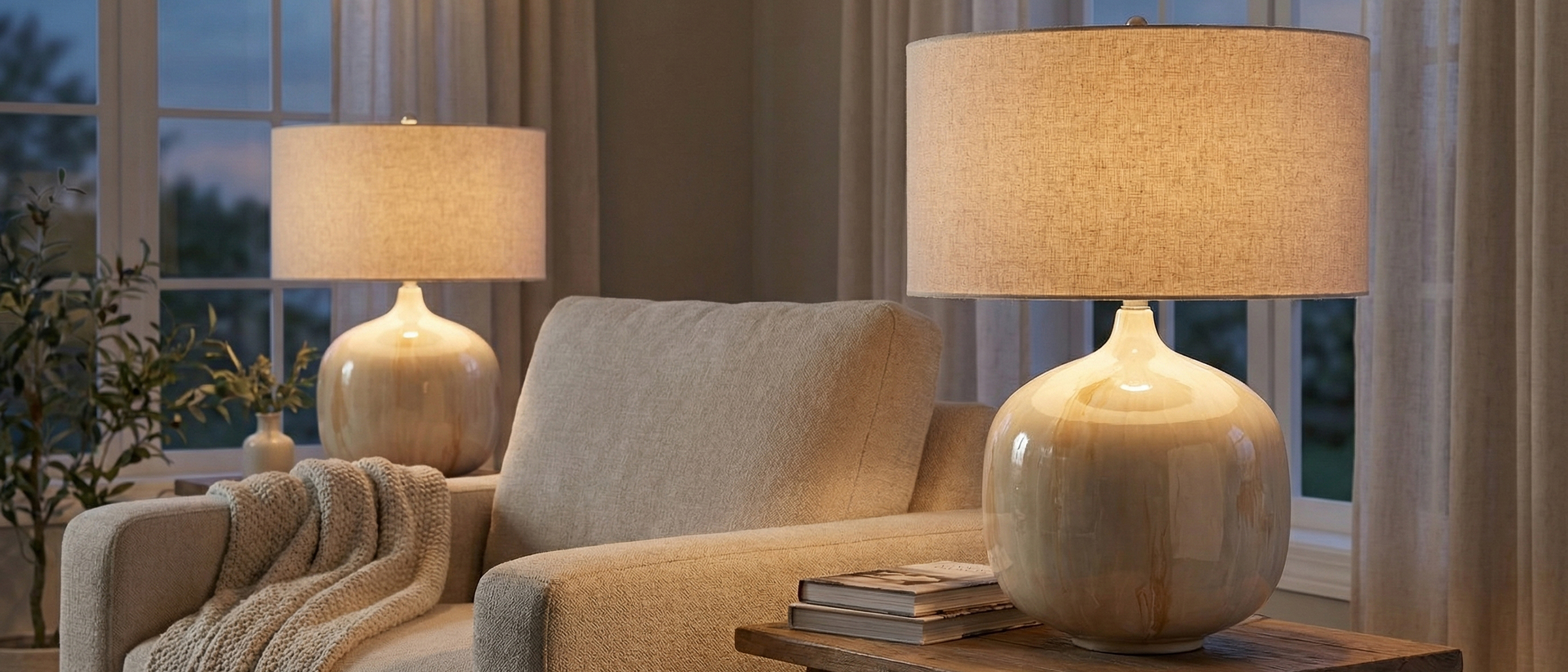
In the living room, consider a mix of floor lamps, table lamps, and pendant lights to create a warm and inviting atmosphere.
Kitchen
Proper kitchen lighting design for home emphasizes functionality. Under-cabinet lighting can assist with food preparation, while pendant lights can enhance the breakfast nook.
Bedroom
For the bedroom, soft ambient light is ideal. Opt for bedside lamps and dimmable overhead fixtures for flexibility.
Bathroom
In bathrooms, ensure adequate lighting around mirrors. Wall sconces on either side of the mirror reduce shadows and improve visibility.
What Are the Different Types of Lighting to Incorporate?
When designing lights at home, it’s essential to incorporate various types of lighting to meet your practical and aesthetic needs. The three main categories include:
- Ambient Lighting: This is the overall illumination of a room, often provided by ceiling fixtures or large lamps.
- Task Lighting: Intended for specific activities, such as reading or cooking, task lighting includes desk lamps, under-cabinet lights, or pendant lighting.
- Accent Lighting: Used to highlight certain features, accent lights can include spotlights or wall-mounted fixtures to draw attention to artwork or architectural details.
How Can You Optimize Energy Efficiency While Designing Lights at Home?
Energy-efficient lighting is increasingly important in modern home design. Here are some strategies:
- Choose LED Bulbs: These consume less energy and have a longer lifespan compared to traditional bulbs.
- Utilize Dimmers: Dimmers allow you to adjust brightness, resulting in lower energy consumption when full lighting isn’t necessary.
- Incorporate Natural Light: Design your space to maximize daylighting, which can reduce the need for artificial lighting.
What Role Does Color Play in Lighting Design?
Color temperature significantly impacts the atmosphere of your home. Here’s how to choose:
- Warm White (2700K-3000K): Best for creating cozy environments, suitable for bedrooms and living areas.
- Cool White (3500K-4100K): Ideal for kitchens and bathrooms where clean and bright lighting is necessary.
- Daylight (5000K-6500K): Perfect for workspaces as it mimics natural daylight, enhances alertness, and reduces eye strain.
Where to Shop for Stylish Lighting Solutions?
Finding the perfect lighting solution for your home can be a rewarding experience. To make your shopping journey easier, consider visiting design lights for home online shopping options that prioritize style and functionality.
How to Implement Lighting Design in Unique Spaces Like Stairwells?
Safety and style should go hand in hand when considering home stairs light design. Here are some suggestions:
- Use wall sconces to illuminate staircases.
- Integrate step lights that provide a soft glow.
- Ensure that lights are well-placed to minimize shadows.
FAQs about Designing Lights at Home
What is the best lighting for small spaces?
In small spaces, opt for wall-mounted fixtures and recessed lighting to avoid clutter. Light colors can also help create an illusion of more space.
How important is natural lighting in home design?
Natural lighting is vital as it can enhance mood, reduce energy costs, and create a more welcoming environment.
Can I mix different lighting styles?
Yes, mixing styles such as modern with vintage can create a unique personality in your home, but aim for cohesion through color or material consistency.