Recent Products
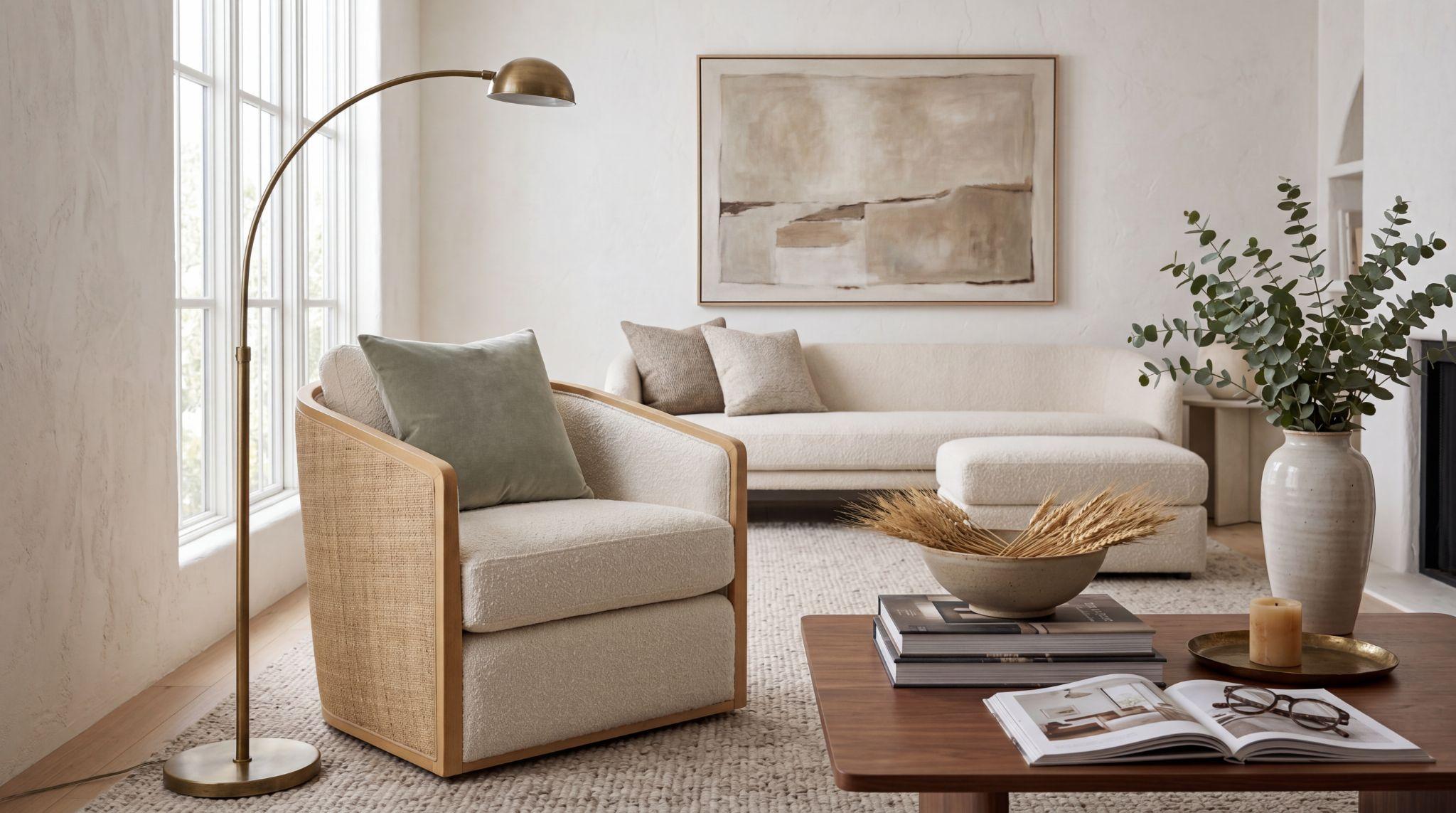
The most expensive furniture mistake is measured in inches, not dollars. One miscalculated wall, and that perfect sectional becomes a return slip, a sore back, and a weekend you’ll never get back.
Knowing how to measure a room for furniture protects your budget and your sanity. It also unlocks something trickier to nail: a small living room furniture layout that actually breathes and flows naturally.
Most shoppers eyeball proportions and hope for the best. That’s exactly where it goes sideways.
At Sagebrook Home, we’ve helped designers sidestep those costly missteps, so this guide hands you the same pro process.
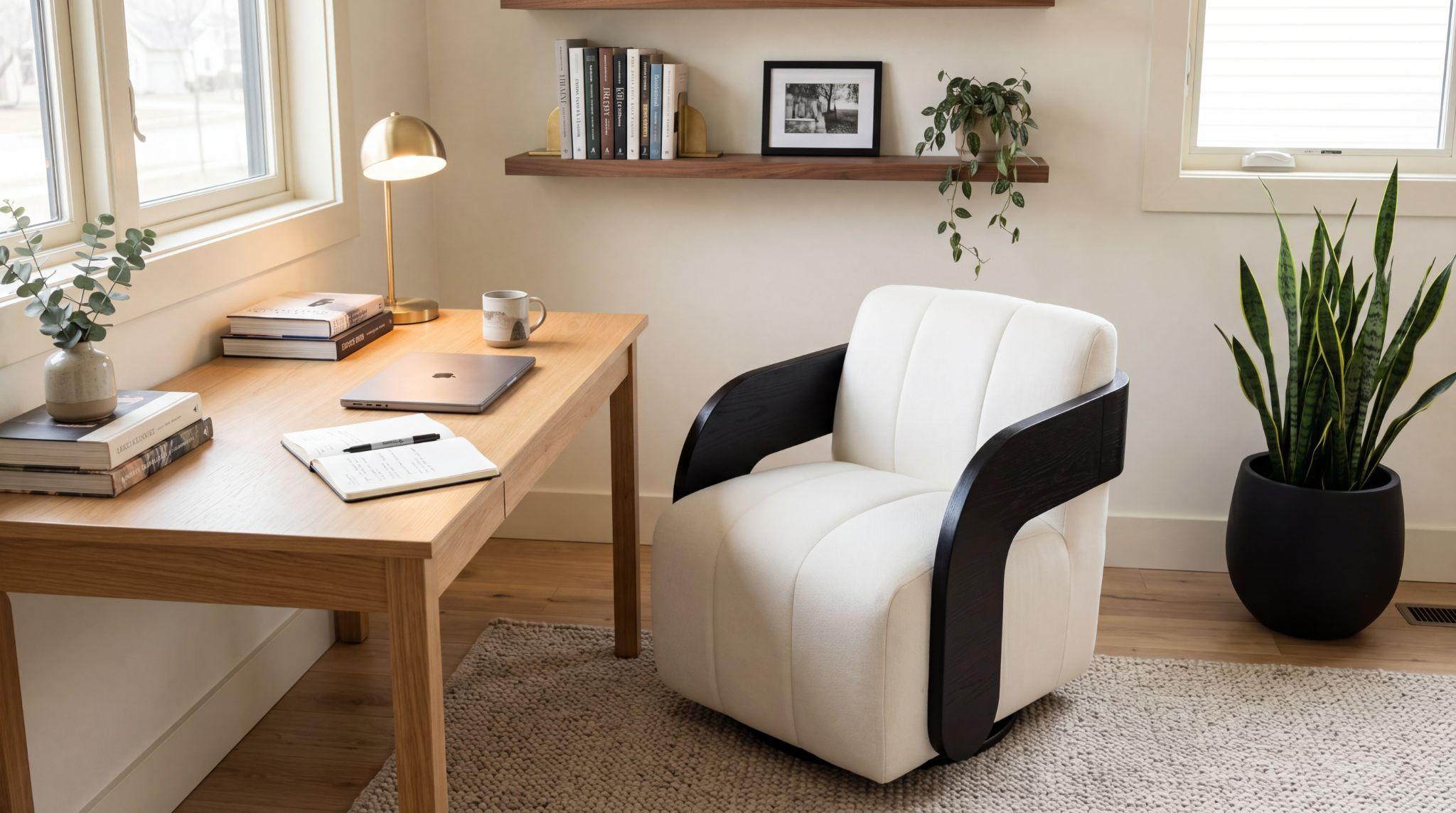
Your space shapes how you feel every single day.
In fact, a Personality and Social Psychology Bulletin study ties cluttered, unfinished homes to flatter daily cortisol patterns, a stress profile linked to poorer long-term health. Cramped, badly proportioned rooms quietly chip away at your well-being.
Beyond comfort, skipping measurement costs you too. A sofa wedged in your doorway means restocking fees, return shipping, and weeks of waiting. Meanwhile, NAHB home buyer research data shows the median new home shrunk to 2,150 square feet in 2024, the smallest in 15 years. Every inch counts more now.
That’s exactly why measuring a room for furniture is your first move, whether you’re styling a small living room or planning a larger open concept. Accurate dimensions protect both your investment and your daily comfort.
You don’t need a contractor’s kit. A few simple tools handle most of the work.
Even better, painter’s tape is a designer’s secret weapon. Outline a sofa’s footprint, and you’ll instantly see if traffic flow works.
Once your tools are ready, you’ll follow the same order the pros use. Working through each step the same way every time keeps you from missing a measurement you’ll wish you had later.
Start with the longest wall, then work through each dimension in order:
That last one matters most. Vaulted, sloped, and tray ceilings change what fits, especially for tall bookcases, pendants, or oversized art.
With your basic dimensions down, you’ll need to map what’s actually on those walls. They’re rarely a clean rectangle.
Mark each of these on your sketch, including the distance from each feature to the nearest corner:
Here’s why every inch matters: a 90-inch sofa fits beautifully on a 96-inch wall, until you discover the radiator eats six inches at one end. Catching those obstructions now saves you from the worst furniture layout mistakes later.
After mapping your room, you’ll need to plan the route in. This is where most furniture-delivery disasters happen.
Measure the width and height of every entry your new piece must pass through. Beyond the doorway itself, don’t forget elevator depth, stairwell turns, and the diagonal clearance of your front door.
For context, the U.S. Access Board sets 32 inches as the minimum doorway clearance, though tight modern builds often come in narrower. Verifying every passage now spares you a costly return later.
With the room and route handled, your final pass is the small stuff that quietly ruins layouts. Sketch in every:
Here’s why it matters: a sectional that perfectly fills a wall but blocks two outlets and a vent creates daily frustration most shoppers never see coming. So plan around these features, not over them. That single habit prevents some of the most overlooked furniture layout mistakes.
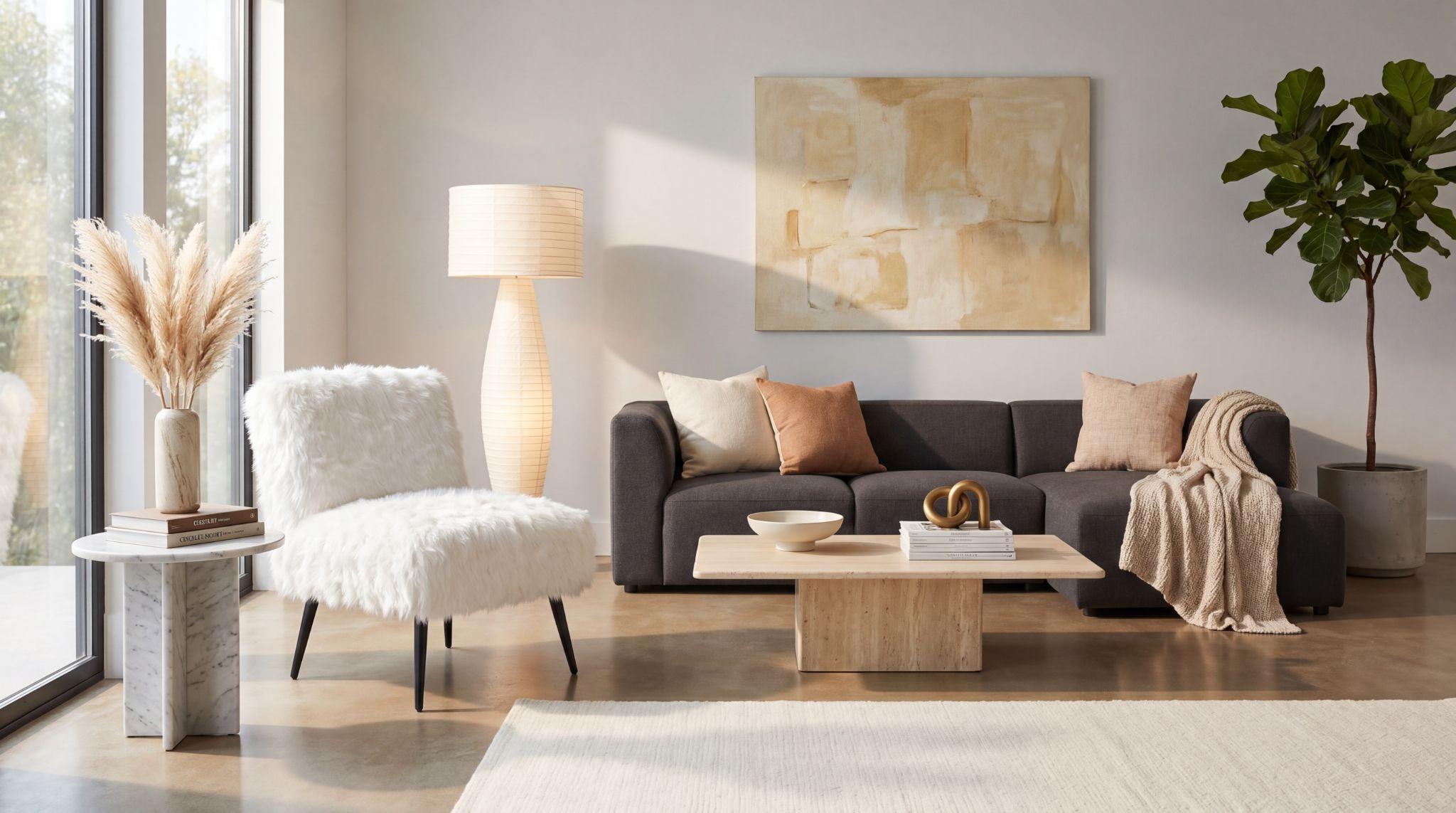
With your measurements locked in, it’s time to see how everything actually fits together. A scaled floor plan turns abstract numbers into a real visual decision.
Here’s the simplest method:
Prefer digital? Apps like Magicplan or RoomSketcher work the same way and let you swap in real product dimensions on the fly.
Either method, this is the heart of how to measure a room for furniture layout. It’s the difference between hoping a piece fits and knowing it does. So treat that scaled drawing as your decision tool every time something tempts you online. If the rectangle doesn’t slide in cleanly, the piece won’t work in the room, no matter how stunning the photography looks.
With your plan drawn, spacing is next. These numbers come from ergonomic research, which Marymount University calls central to comfortable design.
Stick to these thresholds:
Honor them, and your home feels effortless. Skip them, and you’ll feel the friction daily.
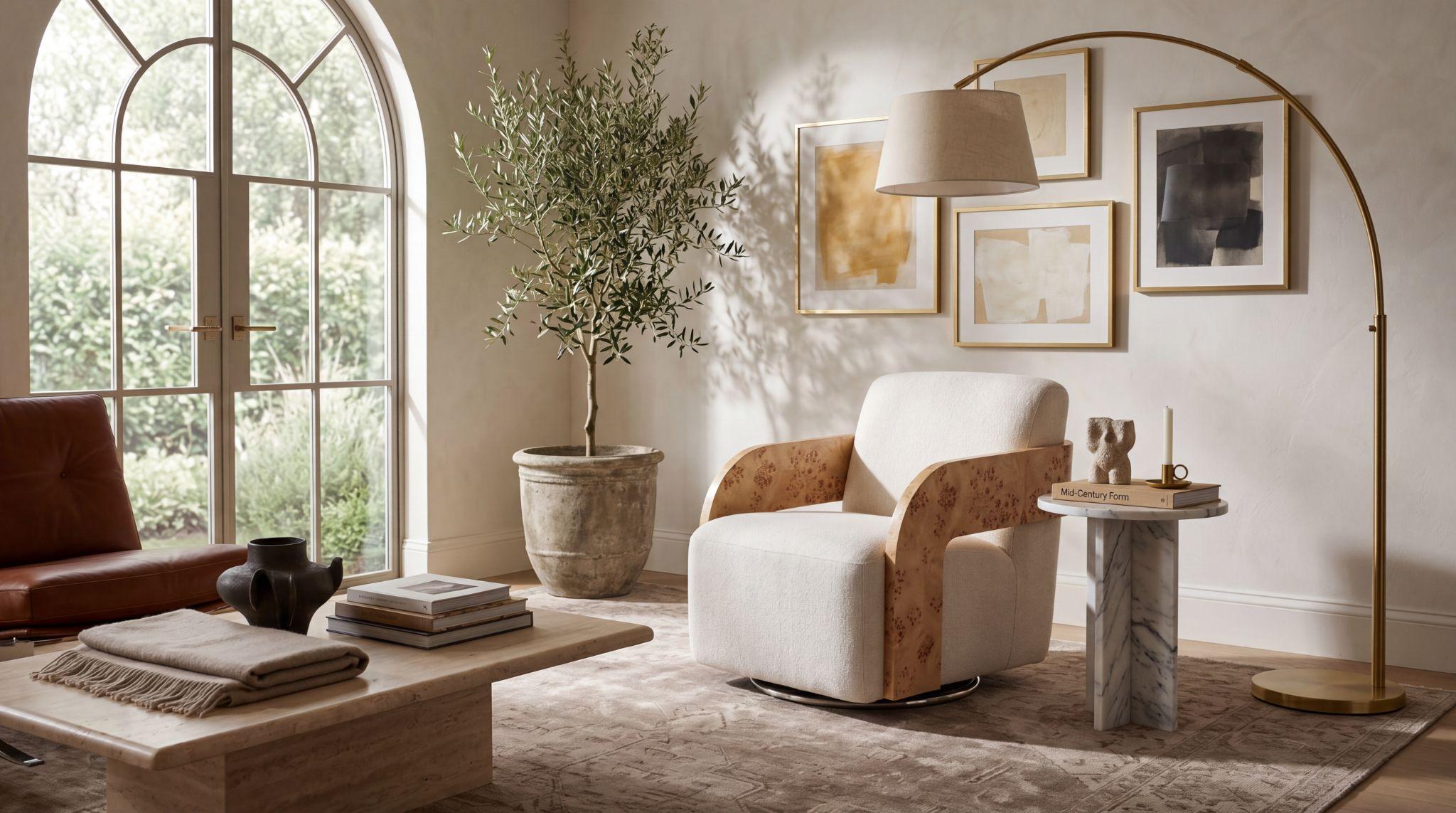
Living rooms expose measurement mistakes the fastest because they handle the most traffic.
Map your seating around one focal point: the TV, fireplace, or a window with a view.
For context, the U.S. Census Bureau puts the median 2024 home at 2,146 square feet, which means most living rooms now run 200 to 350 square feet. That tight footprint demands smarter scaling, especially for a small living room furniture layout where every inch counts.
With your plan set, choosing the right chairs becomes a matter of matching seat depth, frame quality, and proportion to the dimensions you just captured.
Your table needs more than its own footprint. Measure the table itself, then add 36 inches on every side for chair pull-out and walking room. A simple example: a 6-foot rectangular table inside a 12-foot room leaves you exactly 36 inches per side.
Anything tighter than that, and you’ll squeeze in sideways every time you sit down.
Bedroom planning always starts with the bed. A queen frame measures roughly 64 by 84 inches.
From there, add 24 inches to each side for walking space, so you’ll need at least 112 by 108 inches of clear floor space. Skip this step, and you’ll end up with dressers that block closet doors or nightstands you can’t actually reach.
Office layouts hinge on three numbers. The desk depth is 24 to 30 inches, and the chair pull-out adds another 36 inches behind it.
If you film content, run video meetings, or use a second monitor, give yourself an extra 12 inches of breathing room behind the chair. That buffer keeps you from hitting the wall every time you push back.
Entryways punish bad scaling more than any other room. So skip the console table that’s deeper than the hall is wide.
For any entry under 48 inches across, aim for a piece no more than 12 to 14 inches deep. That single rule keeps the path clear and the room functional, which is exactly where most furniture layout mistakes start.
Even with solid measurements, the same pitfalls trip shoppers up again and again:
You’ll dodge most of these by spending thirty extra minutes with tape and sketch. Then layering decorative accents becomes the fun part, not damage control.
Knowing how to measure a room for furniture is just the starting point. From there, translating those numbers into a workable layout depends entirely on what you’re working with: a tight footprint or a wide-open floor plan.
When square footage is tight, every piece must earn its spot. So look for furniture with exposed legs to keep sightlines open, nesting tables that tuck away, and storage ottomans that double as seating.
A small living room furniture layout usually works best with two armchairs instead of a loveseat, a round coffee table, and a single statement light fixture.
If you’re outfitting multiple compact rooms at once, sourcing wholesale home decor keeps the scale consistent across the project without blowing your budget.
Bigger rooms create the opposite problem: pieces float, and conversation areas feel disconnected. So anchor them with rug-sized zones, oversized sectionals, and proportional case goods.
For coffee tables specifically, aim for at least 48 by 24 inches to ground the seating arrangement.
If you’re stocking volume for hospitality or large residential projects, our breakdown of the best wholesale markets covers what to look for in a supplier that can match the scale of an open floor plan.
Open concepts live or die by zoning.
So use rugs and lighting to define each area independently. A dining rug that’s 6 inches wider than the table on every side, paired with a pendant centered above, signals where one space ends and the next begins.
Beyond the layout itself, staying current through home decor trade publications keeps you ahead of how designers are scaling open-concept projects today.
Measurement is half the battle. Sourcing furniture that actually fits your plan is the other half.
That’s where we come in. At Sagebrook Home, we design and supply trend-driven pieces in the dimensions today’s homes really need: apartment-scale seating built for any small living room furniture layout, accent chairs sized for tighter rooms, and statement pieces that anchor larger open layouts.
Beyond scale, quality construction and reliable fulfillment run through every order. So you can spec a project, place the order, and trust that the furniture you measured for is the furniture that arrives.
The work you put into measuring a room for furniture layout upfront pays off the moment delivery rolls through the front door without a hitch.
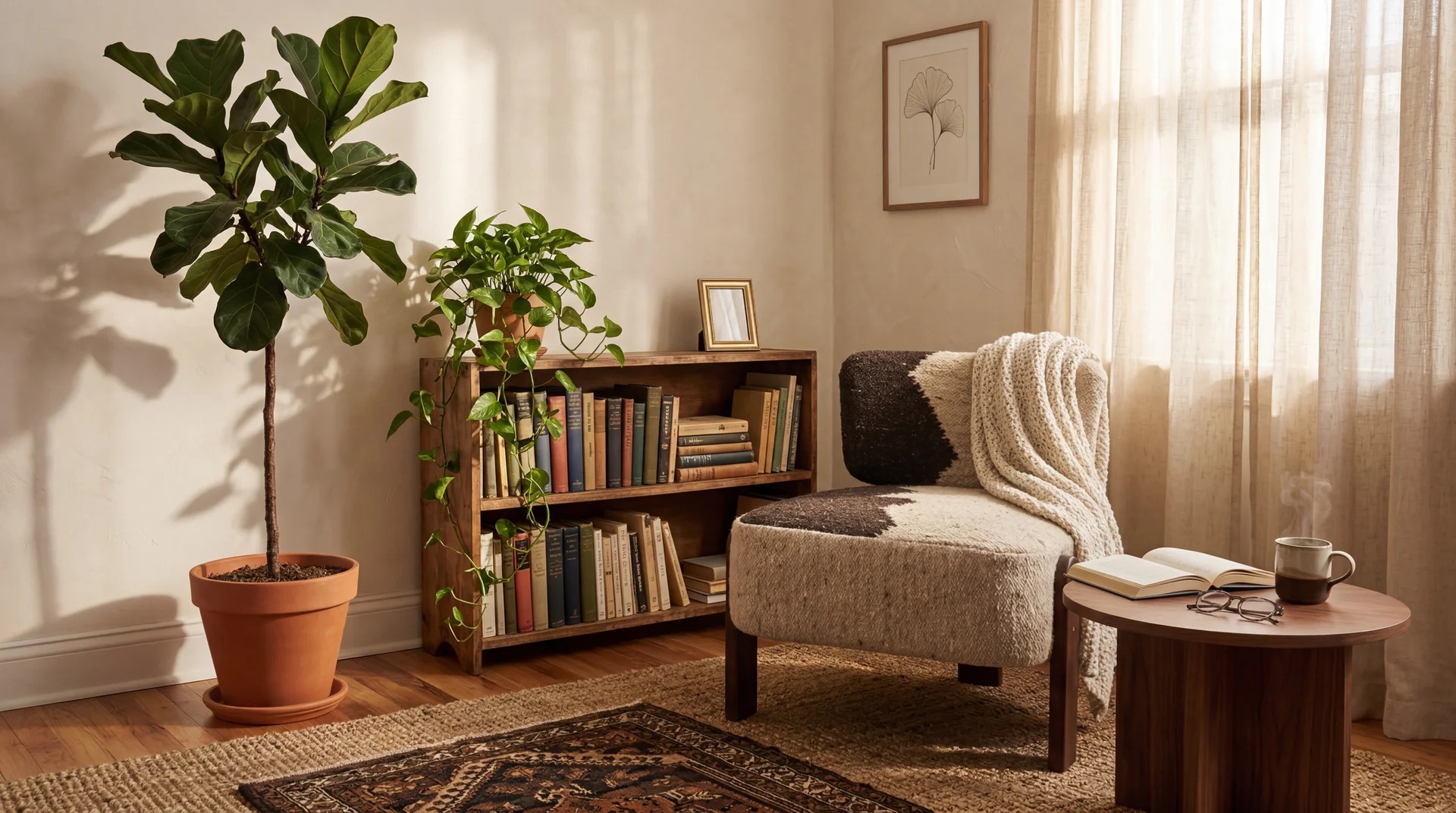
The right measurements unlock everything that follows: the right sofa, the right chair, the right rug, the right flow. Use the steps above, and your next furniture purchase will fit your space the day it arrives without surprises.
Want pieces sized for that plan? Browse our collection at Sagebrook Home, check the FAQs, or contact our team for project guidance.
Start with the longest wall using a 25-foot tape, then measure the width, ceiling height in two corners, and every doorway, outlet, and vent. Sketch the dimensions on graph paper for a working floor plan you can use immediately.
Leave 30 to 36 inches between major pieces, 14 to 18 inches between the sofa and the coffee table, and 36 inches around dining tables for chair pull-out. Bedside clearance should be at least 24 inches so dresser drawers and closet doors open freely.
For a small living room, choose apartment-scale seating under 80 inches, a round coffee table, and a rug that catches the front legs of each seat. Two armchairs often beat a loveseat, and exposed-leg furniture preserves sightlines.
Most delivery failures happen at hallway turns, stairwells, and tight doorways, not the front entry. Measuring those pinch points alongside your room lets you verify diagonal clearance and avoid restocking fees on oversized pieces that won’t fit.
Choosing rugs that are too small is the most common layout mistake. A 5×7 rug under a full sectional makes furniture look like it’s floating. Pair an 8×10 or larger rug with seating where the front legs sit on the rug.